

What “Walk-In” Means in Healthcare
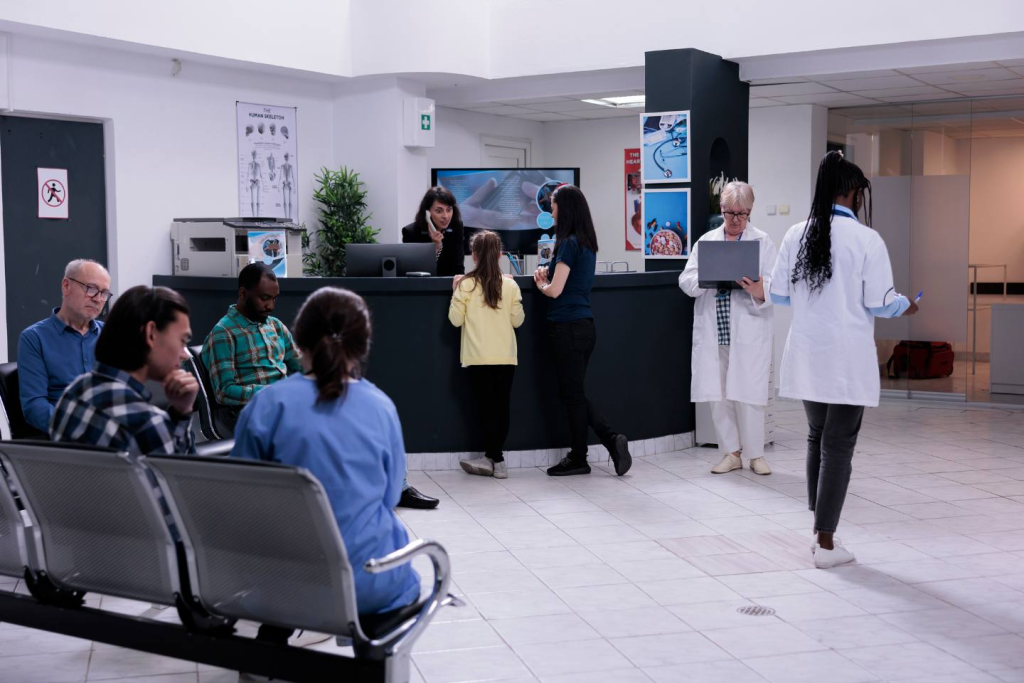
A walk-in clinic is a medical facility where you can be seen without a scheduled appointment. Unlike a primary care doctor’s office that requires booking in advance, walk-in clinics are designed to provide immediate, non-emergency care to patients who need medical attention now, not later.
Walk-in clinics can include:
- Retail walk-in clinics (often inside pharmacies or big stores)
- Urgent care centers (a more clinical version with broader services)
- Community or free clinics that serve uninsured or underinsured patients
All let you simply “walk in” when you need care.
What Conditions Walk-In Clinics Can Treat
Walk-in clinics are ideal for non-emergency medical issues — conditions that need attention but aren’t life-threatening. These include many common illnesses and minor injuries.
Typical Minor Illnesses
Walk-in clinics often treat:
- Cold and flu symptoms
- Sore throats and strep throat
- Ear infections
- Sinus infections
- Bronchitis and respiratory symptoms
- Urinary tract infections (UTIs)
- Skin rashes and minor dermatological issues
- Pink eye (conjunctivitis)
They can usually assess symptoms, diagnose problems, and provide medication if needed.
Minor Injuries and Basic Injury Care
For minor injuries, walk-in clinics can provide:
- Care for cuts and scrapes
- Sprains and strains
- Minor burns
- Splinter removal
- Simple wound care and dressing
- Basic fracture evaluation (may refer you for imaging)
These clinics help manage the injury and recommend follow-up if needed.
Preventive and Basic Health Services
Many walk-in clinics also offer:
- Vaccinations
- Health screenings (blood pressure, glucose checks)
- Physical exams
- Basic testing (strep, pregnancy, some labs)
These screenings are convenient without requiring a regular doctor’s appointment.
Urgent Care: A Type of Walk-In Clinic With Extras
Urgent care centers are sometimes considered part of the broader “walk-in clinic” category — but they typically offer more extensive services.
How Urgent Care Is Different
Unlike basic walk-in clinics, urgent care centers usually:
- Have extended staffing including physicians
- Perform on-site diagnostics like X-rays and lab tests
- Treat moderate injuries (e.g., sprains, more significant cuts, possible minor broken bones)
- Handle a wider range of ailments that still aren’t emergencies
You can still walk in without an appointment, but the clinic may offer broader care than a small retail clinic.

When a Walk-In Clinic Is the Right Choice
Use a walk-in clinic when:
- Your symptoms are uncomfortable but not life-threatening
- Your primary doctor isn’t available soon
- You have minor injuries or illness
- You want care outside typical office hours
Examples include sudden sore throat, minor allergy reactions, mild infections, or small cuts that don’t need stitches.
Do not use a walk-in clinic for:
- Severe chest pain or signs of a heart attack
- Trouble breathing
- Severe head injuries
- Heavy bleeding
- Stroke symptoms
These require immediate emergency care at a hospital ER.

What to Expect at a Visit
A typical walk-in visit involves:
- Check-in — usually with ID and insurance (if you have it)
- Triage/Assessment — a staff member evaluates your symptoms
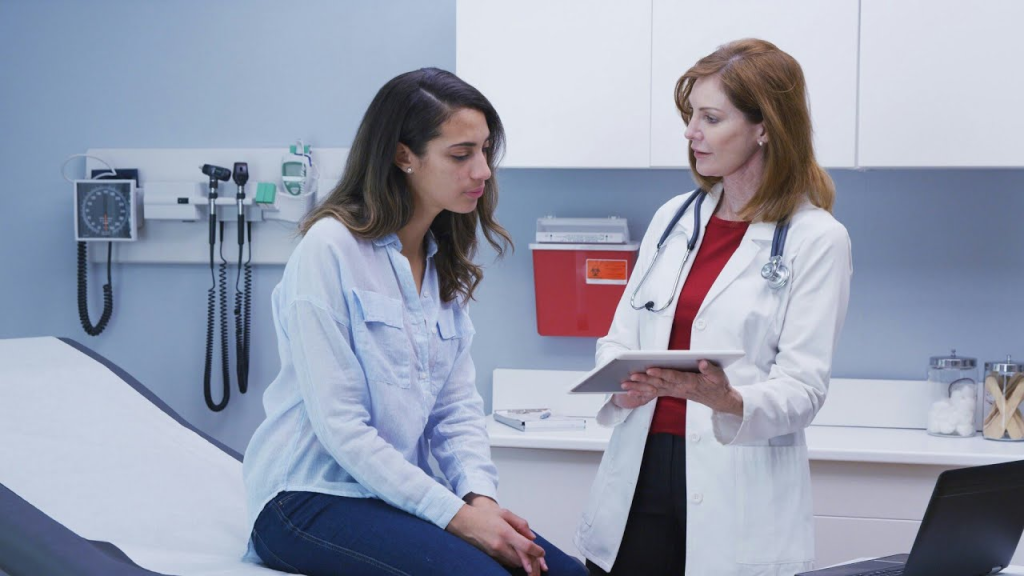
- Medical Exam — a provider diagnoses and discusses treatment
- Treatment Plan — medications, advice, and any follow-up recommendations
- Prescription & Referrals — if needed, for more serious care
Walk-in clinic visits are generally quick and focused on resolving immediate concerns without scheduling delays.
Additional Walk-In Care Options
Aside from standard and urgent care walk-ins, some communities offer specialty walk-in clinics such as:
- Sexual health clinics that provide testing and treatment without appointments.
These clinics focus on specific areas of care and often have flexible hours or weekend availability.
How Walk-In Clinics Benefit Healthcare Access
Walk-in clinics play an important role in the healthcare system by:
- Reducing the burden on emergency departments
- Providing a lower-cost alternative for minor issues
- Offering flexible hours and convenient care
- Serving people who might otherwise delay treatment
They help patients get care quickly when waiting for a scheduled appointment isn’t practical — particularly for common illnesses and minor injuries.
Final Thoughts
Walk-in clinics are valuable for treating common, non-emergency medical needs without appointments. Whether you visit a basic retail clinic or a full urgent care center, the goal is the same: prompt, affordable medical care when you need it — minus the scheduling hassles.
By understanding the types of services offered and when to use them, you can make confident decisions about your health care without unnecessary delays.


