

A Practical Guide to Reducing Pain, Improving Function, and Protecting Quality of Life
Foot neuropathy is a condition characterized by nerve damage that causes pain, numbness, tingling, burning sensations, or weakness in the feet. It can significantly affect balance, mobility, sleep, and daily comfort. While neuropathy is often chronic, modern care offers many effective ways to manage symptoms, slow progression, and improve quality of life.
This guide explains the best treatment options for managing foot neuropathy, including medical therapies, lifestyle strategies, and supportive care approaches.
Understanding Foot Neuropathy
Foot neuropathy is a form of peripheral neuropathy, meaning it affects nerves outside the brain and spinal cord. These nerves transmit sensory information (such as touch and pain) and motor signals (movement).
When damaged, nerves may misfire or stop transmitting signals properly, leading to discomfort and functional impairment.
Common Causes of Foot Neuropathy
Identifying the underlying cause is essential for effective treatment. Common causes include:
- Diabetes
- Vitamin deficiencies (especially B vitamins)
- Nerve compression or injury
- Autoimmune disorders
- Alcohol misuse
- Chemotherapy or medication side effects
- Infections
- Idiopathic (unknown cause)
Addressing the cause can help slow progression and reduce symptoms.
Recognizing Symptoms of Foot Neuropathy
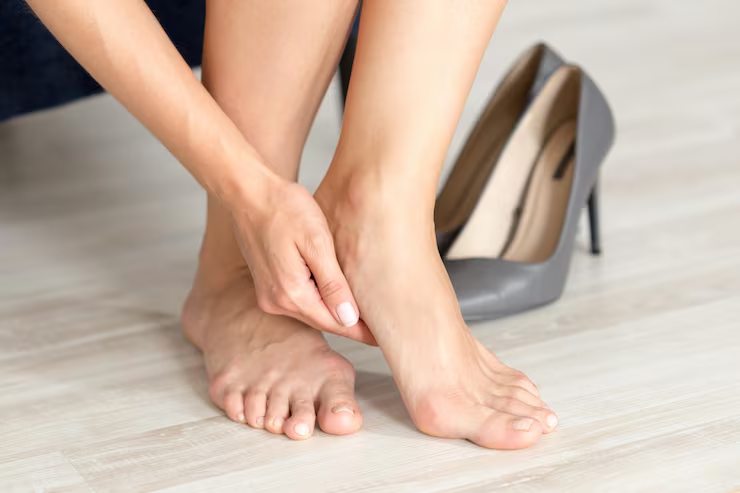
Symptoms vary in intensity and may include:
- Burning or shooting pain
- Tingling or pins-and-needles sensations
- Numbness or reduced sensation
- Sensitivity to touch
- Muscle weakness
- Balance difficulties
Symptoms often worsen at night and may progress gradually.
Medical Treatment Options
Medical treatments aim to reduce nerve pain, improve nerve function, and address underlying causes.
Medications for Neuropathic Pain
Several medications are commonly prescribed for neuropathic pain management.
Anticonvulsants
Medications such as gabapentin and pregabalin help calm overactive nerve signals. They are frequently used as first-line treatments for neuropathy-related pain.
Antidepressants
Certain antidepressants, including duloxetine and amitriptyline, can reduce nerve pain by altering how pain signals are processed in the nervous system.
Topical Medications
Topical treatments such as lidocaine patches or capsaicin creams provide localized pain relief with fewer systemic side effects.
Medication selection depends on symptom severity, tolerance, and individual health factors.
Treating Underlying Conditions
When neuropathy is linked to an underlying condition, managing that condition is critical.
Diabetes Management
Tight blood sugar control helps prevent further nerve damage and may reduce symptoms over time.
Nutritional Supplementation
Correcting vitamin deficiencies, particularly B12, can improve nerve health and prevent progression.
Adjusting Medications
If neuropathy is medication-induced, a healthcare provider may adjust dosages or switch therapies.
Physical Therapy and Movement-Based Care

Physical therapy helps maintain mobility, reduce pain, and improve balance.
Therapeutic benefits include:
- Strengthening supporting muscles
- Improving gait and posture
- Enhancing circulation
- Reducing fall risk
Customized exercise programs support long-term function.
Foot Care and Protective Strategies
Proper foot care is essential to prevent complications, especially when sensation is reduced.
Key practices include:
- Daily foot inspections
- Moisturizing dry skin
- Trimming nails carefully
- Treating cuts or sores promptly
- Wearing well-fitted footwear
Preventing injury reduces infection risk and further nerve irritation.
Orthotics and Supportive Footwear
Specialized footwear and orthotic inserts help:
- Reduce pressure points
- Improve alignment
- Enhance stability
- Decrease pain during walking
Proper support protects sensitive nerves and improves comfort.
Lifestyle Changes That Support Nerve Health
Lifestyle modifications can significantly influence symptom management.
Regular Physical Activity
Low-impact exercises such as walking, swimming, or cycling promote circulation and nerve health.
Balanced Nutrition
A diet rich in lean protein, whole grains, fruits, vegetables, and healthy fats supports nerve repair and reduces inflammation.
Limiting Alcohol
Reducing alcohol intake helps prevent further nerve damage and supports overall neurological health.
Pain Management and Complementary Therapies
Some individuals benefit from additional supportive treatments.
Transcutaneous Electrical Nerve Stimulation (TENS)
TENS therapy uses mild electrical currents to disrupt pain signaling and may reduce neuropathic discomfort.
Acupuncture
Acupuncture may improve circulation and reduce pain perception for some individuals.
Massage Therapy
Gentle massage can improve blood flow, reduce muscle tension, and promote relaxation.
These approaches should complement, not replace, medical care.
Managing Sleep Disturbances

Neuropathy pain often disrupts sleep. Improving sleep supports pain tolerance and emotional well-being.
Helpful strategies include:
- Nighttime pain management routines
- Supportive bedding
- Relaxation techniques
- Adjusting sleep positions
Consistent sleep habits contribute to symptom control.
Psychological Support and Coping Strategies
Chronic pain affects mental health. Psychological support can help individuals manage stress and emotional challenges associated with neuropathy.
Cognitive-behavioral therapy and mindfulness-based techniques may improve coping skills and quality of life.
Advanced and Emerging Treatments
In certain cases, advanced interventions may be considered.
Nerve Blocks
Targeted injections can temporarily reduce severe pain.
Neuromodulation Therapies
Spinal cord or peripheral nerve stimulation may help individuals with refractory neuropathy.
These options are typically reserved for severe cases after standard treatments are exhausted.
Preventing Complications of Foot Neuropathy
Preventative strategies include:
- Fall risk assessments
- Home safety modifications
- Regular medical follow-up
Early intervention prevents ulcers, infections, and mobility decline.
When to Seek Medical Evaluation
Medical attention is important if:
- Symptoms worsen rapidly
- Weakness develops
- Open sores or infections appear
- Pain becomes unmanageable
Timely evaluation allows for treatment adjustments and complication prevention.
Living Well With Foot Neuropathy

While foot neuropathy can be challenging, many individuals manage symptoms effectively with a comprehensive approach. Combining medical treatment, lifestyle changes, and supportive care allows for greater comfort and independence.
Consistency and collaboration with healthcare providers are key to long-term success.
Final Thoughts
The best treatment options for managing foot neuropathy focus on relieving pain, protecting nerve function, and supporting daily mobility. From medications and physical therapy to footwear and lifestyle strategies, a personalized treatment plan can significantly improve quality of life.
If you experience persistent foot pain, numbness, or tingling, seeking professional evaluation early can make a meaningful difference. With the right support, neuropathy can be managed effectively and safely.


