
Why Social Development Matters From an Early Age
Social development plays a foundational role in how children think, feel, and interact with the world. From the earliest moments of life, young minds are shaped not only by genetics or education, but by relationships, communication, and social experiences.
How children learn to connect with others influences emotional regulation, confidence, empathy, problem-solving, and long-term mental well-being. Social development is not a separate part of growth — it is woven into cognitive, emotional, and behavioral development at every stage.
Understanding how social development shapes young minds helps parents, educators, and communities support healthier, more resilient future generations.
What Is Social Development
Social development refers to the process by which children learn to understand themselves and others within a social context. It includes learning how to:
- Communicate needs and emotions
- Build relationships
- Understand social norms
- Cooperate and resolve conflict
- Develop empathy and perspective
This development begins in infancy and continues through adolescence, shaping how individuals relate to the world throughout life.
The Early Years: Foundations of Social Learning
The first years of life are critical for social development.
Infants begin learning socially through:
- Eye contact
- Facial expressions
- Vocal interaction
- Physical closeness
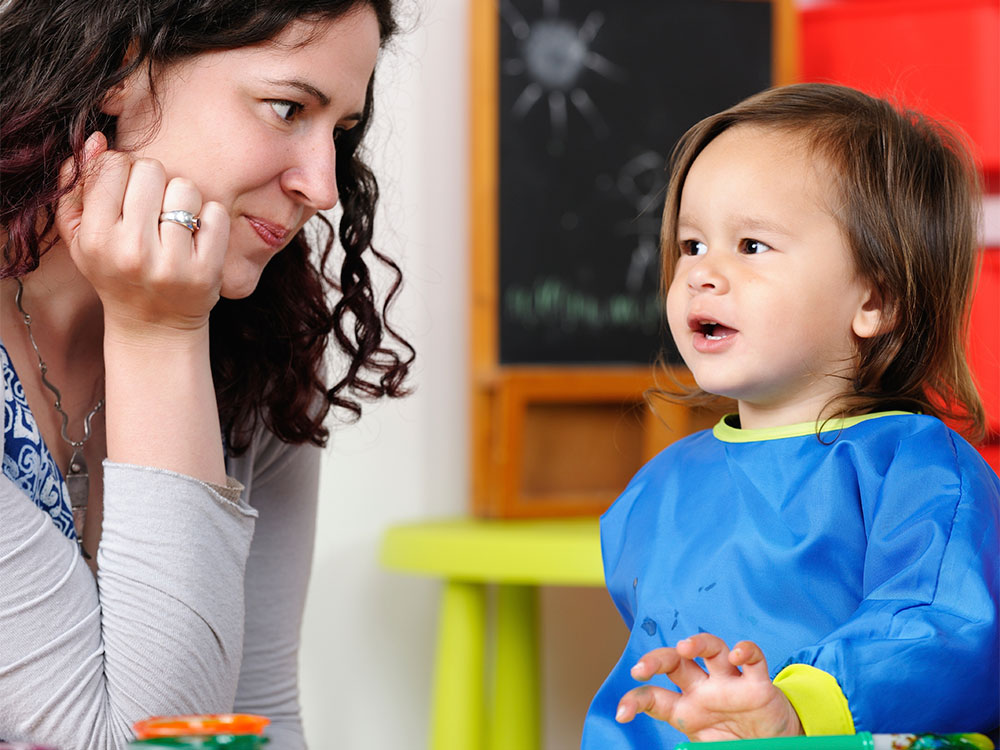
Responsive caregiving helps children develop trust and emotional security. When caregivers consistently respond to a child’s needs, the child learns that the world is predictable and safe.
These early interactions form the foundation for:
- Emotional regulation
- Attachment
- Self-confidence
- Future relationship patterns
Attachment and Emotional Security
Attachment theory highlights how early relationships shape emotional development.
Secure attachment develops when children experience:
- Consistent care
- Emotional availability
- Predictable responses
Children with secure attachments are more likely to:
- Explore their environment confidently
- Manage stress effectively
- Form healthy relationships later in life
In contrast, inconsistent or neglectful interactions can make social development more challenging, affecting trust and emotional regulation.
Learning Through Observation and Imitation
Young minds learn socially by watching others.
Children observe:
- How adults communicate
- How peers interact
- How emotions are expressed
- How conflicts are resolved
Through imitation, children practice behaviors they see modeled. This makes social environments — at home, school, and in media — powerful influences on development.
Positive role models encourage cooperation, empathy, and respect, while negative models can normalize aggression or withdrawal.
Peer Interaction and Social Skill Building
As children grow, peer relationships become increasingly important.
Peer interactions teach:
- Turn-taking
- Sharing
- Negotiation
- Perspective-taking
Play is especially valuable in social development. Through play, children experiment with roles, rules, and cooperation in low-risk environments.
Healthy peer interaction supports social confidence and helps children learn how to navigate group dynamics.
Emotional Intelligence and Social Awareness
Social development is closely tied to emotional intelligence.
Emotional intelligence includes:
- Recognizing emotions in oneself
- Understanding emotions in others
- Managing emotional responses
- Responding appropriately in social situations
Children who develop strong emotional awareness are better equipped to:
- Handle frustration
- Build friendships
- Communicate effectively
- Adapt to change
Social experiences provide the context in which emotional intelligence grows.
Language Development and Social Interaction
Language and social development are deeply connected.
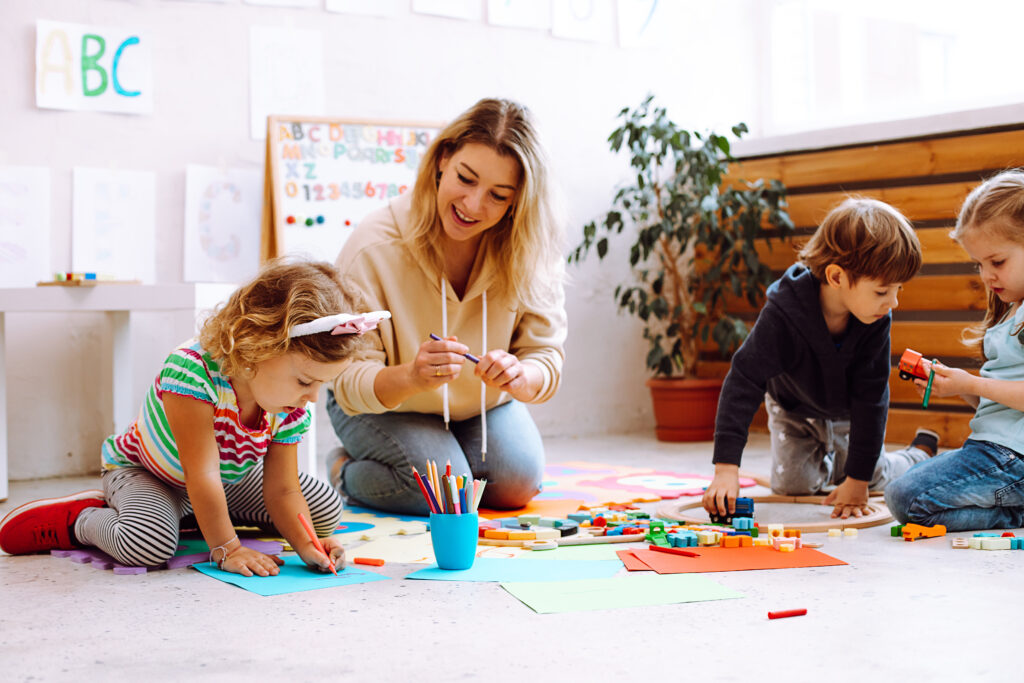
Conversation helps children:
- Expand vocabulary
- Understand social cues
- Practice listening
- Express thoughts and feelings
Children who engage in frequent, meaningful conversation tend to develop stronger communication skills, which support both academic and social success.
Social interaction gives language purpose, making communication more effective and nuanced over time.
Social Development in School Environments
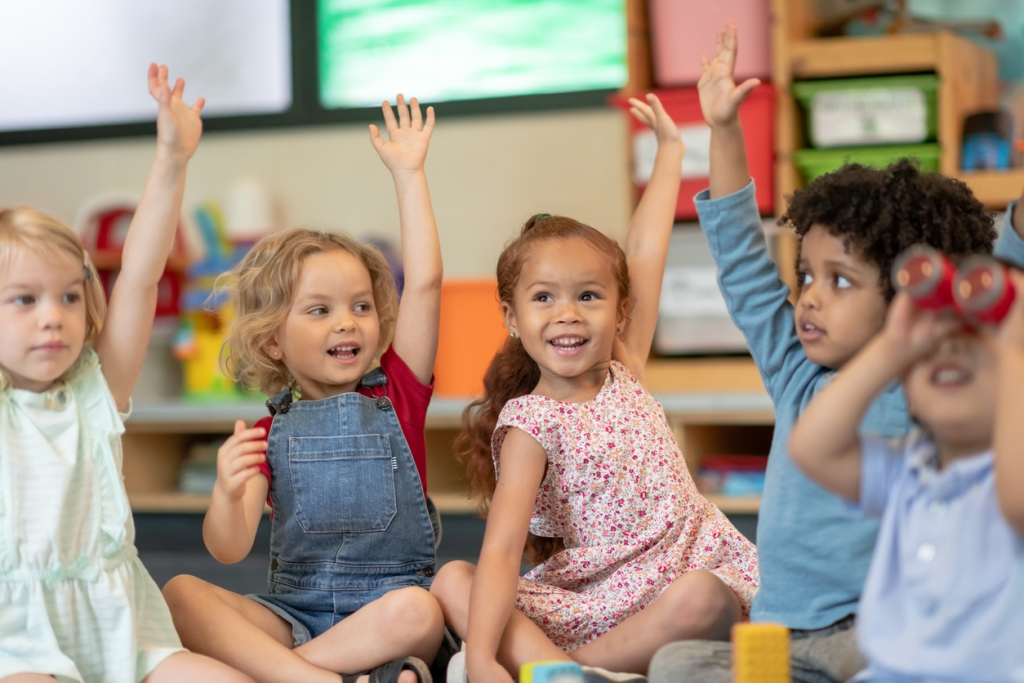
Schools play a major role in shaping young minds socially.
Classrooms provide opportunities to:
- Collaborate with peers
- Follow social rules
- Resolve disagreements
- Develop leadership skills
Positive school environments that encourage inclusion and cooperation help children feel valued and capable.
When social development is supported in schools, children are more likely to engage academically and emotionally.
Managing Conflict and Building Resilience
Conflict is a natural part of social development.
When guided appropriately, conflict teaches:
- Problem-solving
- Compromise
- Emotional regulation
- Accountability
Children who learn to navigate conflict constructively develop resilience. They understand that challenges can be resolved without fear or aggression.
Avoiding conflict entirely does not support growth — learning how to manage it does.
Cultural and Community Influences
Social development is shaped by cultural context.
Cultural values influence:
- Communication styles
- Social expectations
- Emotional expression
- Community roles
Children learn social norms through family traditions, community practices, and cultural narratives. Exposure to diverse perspectives enhances adaptability and empathy.
Understanding cultural context helps young minds navigate a globalized world with respect and awareness.
Digital Socialization and Modern Challenges
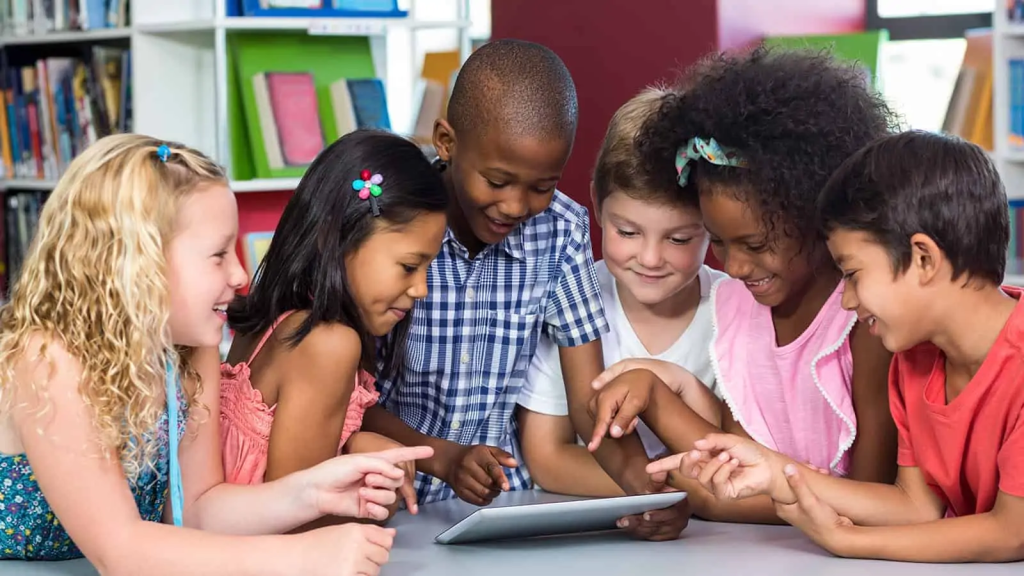
Modern children grow up in digital social environments.
Online interaction affects social development by:
- Changing communication patterns
- Reducing face-to-face interaction
- Introducing new social norms
Digital spaces offer opportunities for connection but also present challenges such as:
- Miscommunication
- Social comparison
- Reduced emotional cues
Guided digital engagement helps children develop healthy online social skills while maintaining real-world connections.
The Role of Adults in Supporting Social Growth
Parents, educators, and caregivers play a critical role in shaping social development.
Effective support includes:
- Modeling respectful behavior
- Encouraging open communication
- Validating emotions
- Teaching empathy
- Setting clear social boundaries
Children learn social skills best when adults provide guidance rather than control, allowing space for independent interaction and reflection.
Social Development and Mental Well-Being
Strong social development supports mental health.
Children with healthy social skills are less likely to experience:
- Chronic loneliness
- Anxiety related to social situations
- Behavioral challenges
Social connection provides emotional support and helps children feel understood and valued. These experiences strengthen self-esteem and emotional stability.
Long-Term Impact on Adulthood
The effects of social development extend far beyond childhood.
Early social experiences influence:
- Relationship quality in adulthood
- Workplace communication
- Conflict resolution skills
- Emotional resilience
Adults with strong social foundations are better equipped to navigate personal and professional challenges throughout life.
When Social Development Is Challenging
Some children face obstacles in social development due to:
- Developmental differences
- Trauma or stress
- Limited social exposure
- Emotional regulation difficulties
Early identification and support can make a significant difference. With guidance, practice, and understanding, social skills can be strengthened at any stage.
Supportive environments emphasize progress rather than comparison.
Encouraging Healthy Social Development
Healthy social development is encouraged through:
- Opportunities for interaction
- Safe spaces for expression
- Respectful communication
- Emotional education
- Positive reinforcement
When children feel safe to explore social relationships, they develop confidence and adaptability.
Final Thoughts
Social development shapes young minds by influencing how children understand themselves, relate to others, and navigate the world. Through relationships, communication, and shared experiences, children build the emotional and social foundations that guide them throughout life.
By nurturing social development early and consistently, families, schools, and communities help children grow into empathetic, resilient, and socially capable individuals.
Social growth is not an accessory to learning — it is central to becoming human.