

Choosing a rehabilitation program is a deeply personal decision that can significantly impact recovery outcomes. With many different treatment options available, finding a rehab program that truly meets your needs may feel overwhelming. Programs vary widely in approach, length, structure, and level of support, making it essential to understand what to look for before committing.
The right rehab program is not just about availability. It is about matching care to individual circumstances, health needs, lifestyle, and long-term recovery goals. Taking time to evaluate options carefully can improve the chances of a successful and sustainable recovery.
This guide explains how to find rehab programs that meet your needs, what factors to consider, and how to make informed decisions during the selection process.

Understand The Purpose Of Rehab Programs
Rehabilitation programs are designed to help individuals recover from substance use, behavioral health challenges, or physical dependency issues. These programs focus on stabilization, treatment, education, and long-term recovery planning.
Rehab programs aim to:
- Address underlying causes of dependency
- Provide medical and emotional support
- Teach coping and relapse prevention skills
- Support reintegration into daily life
Understanding the purpose helps clarify which type of program may be most appropriate.
Identify Your Specific Needs First
Before researching facilities, it is important to identify personal needs and priorities. Rehab programs are most effective when care aligns with individual circumstances.
Consider factors such as:
- Type of substance or condition involved
- Severity and duration of use
- Physical and mental health needs
- Previous treatment history
- Family or work responsibilities
- Desired level of privacy and structure
Clear self-assessment helps narrow down suitable options.
Different Types Of Rehab Programs Available
Rehab programs are not one-size-fits-all. Understanding the main categories can help guide your search.
Inpatient Rehab Programs
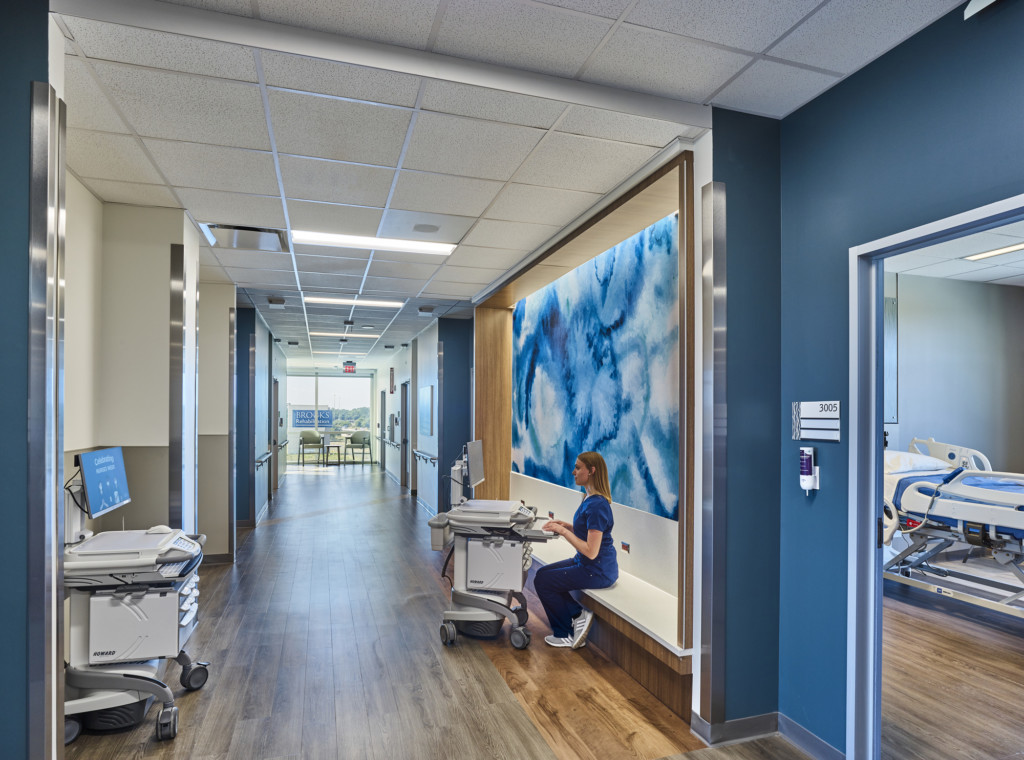
Inpatient programs provide round-the-clock care in a residential setting. Participants live at the facility for the duration of treatment.
These programs often offer:
- Structured daily schedules
- Medical supervision
- Individual and group therapy
- Controlled environments with limited outside distractions
Inpatient rehab may be suitable for individuals needing intensive support.
Outpatient Rehab Programs
Outpatient programs allow individuals to live at home while attending scheduled treatment sessions.
They may include:
- Counseling and therapy
- Education and skill-building
- Flexible scheduling
- Continued work or family involvement
Outpatient rehab can work well for those with stable home environments and milder treatment needs.
Intensive Outpatient And Partial Programs
Some programs fall between inpatient and outpatient care, offering structured treatment without full residential stays.
These programs often provide:
- Multiple weekly sessions
- Strong therapeutic support
- Daytime or evening schedules
- Gradual transition to independent living
They can be effective for individuals stepping down from inpatient care or needing more support than standard outpatient programs.
Consider Medical And Mental Health Support
Many individuals entering rehab have co-occurring medical or mental health conditions. Programs that address both physical and mental health needs often produce better outcomes.
Look for programs that offer:
- Medical evaluations
- Mental health assessments
- Medication management when appropriate
- Integrated treatment approaches
Addressing all aspects of health supports long-term recovery.

Evaluate Treatment Approaches And Therapies
Rehab programs use different treatment philosophies and therapeutic methods.
Common approaches may include:
- Behavioral therapies
- Individual counseling
- Group therapy
- Family involvement
- Skills development
- Relapse prevention planning
Understanding the program’s approach helps determine whether it aligns with personal beliefs and learning styles.
Program Length And Structure Matter
Rehab programs vary in duration, from short-term programs to extended care options.
When evaluating length, consider:
- Severity of the condition
- History of relapse
- Personal progress goals
- Availability for extended treatment
Programs with flexible timelines can adapt care as recovery evolves.
Location And Environment Considerations
The setting of a rehab program can influence comfort and focus.
Location factors include:
- Proximity to home
- Access to family support
- Privacy preferences
- Environmental distractions or triggers
Some individuals benefit from distance, while others prefer local support systems.

Licensing, Accreditation, And Staff Qualifications
Quality standards matter when selecting a rehab program.
Look for programs that:
- Are licensed by appropriate authorities
- Follow established care standards
- Employ qualified medical and counseling staff
- Maintain ethical treatment practices
Accreditation and professional oversight can indicate program credibility.
Costs, Insurance, And Payment Options
Understanding financial considerations is essential.
When reviewing costs:
- Ask what services are included
- Clarify additional fees
- Review insurance coverage
- Explore payment plans or assistance options
Transparent pricing helps avoid unexpected financial stress during treatment.
Aftercare And Ongoing Support
Recovery does not end when a rehab program finishes. Strong aftercare planning is a key component of successful treatment.
Effective programs often provide:
- Discharge planning
- Ongoing counseling referrals
- Support group connections
- Relapse prevention strategies
- Continued accountability options
Aftercare helps maintain progress and reduce relapse risk.
Questions To Ask When Researching Programs
Asking the right questions can clarify whether a program is a good fit.
Helpful questions include:
- What conditions does the program specialize in
- What therapies are offered
- How is progress measured
- What support is available after completion
- How are family members involved
- What happens if challenges arise during treatment
Clear answers help build confidence in the choice.
Common Mistakes To Avoid When Choosing Rehab
Avoid rushing into a program without proper evaluation.
Common mistakes include:
- Choosing based on availability alone
- Ignoring aftercare planning
- Overlooking mental health support
- Focusing only on cost
- Not considering personal comfort and fit
Taking time to research can prevent setbacks later.
Involving Trusted Support In The Decision
Recovery decisions can feel overwhelming when made alone. Involving trusted individuals can provide clarity and encouragement.
Support may come from:
- Family members
- Healthcare providers
- Counselors
- Support groups
External perspectives can help evaluate options objectively.
Final Thoughts
Finding a rehab program that meets your needs is a critical step toward recovery. The most effective programs align medical care, emotional support, lifestyle considerations, and long-term planning into a personalized approach.
Understanding how to find rehab programs that meet your needs empowers individuals to make informed, thoughtful decisions during a challenging time. With the right program and support, recovery becomes a realistic and sustainable goal.