

Understanding Hair Loss and Why Remedies Matter
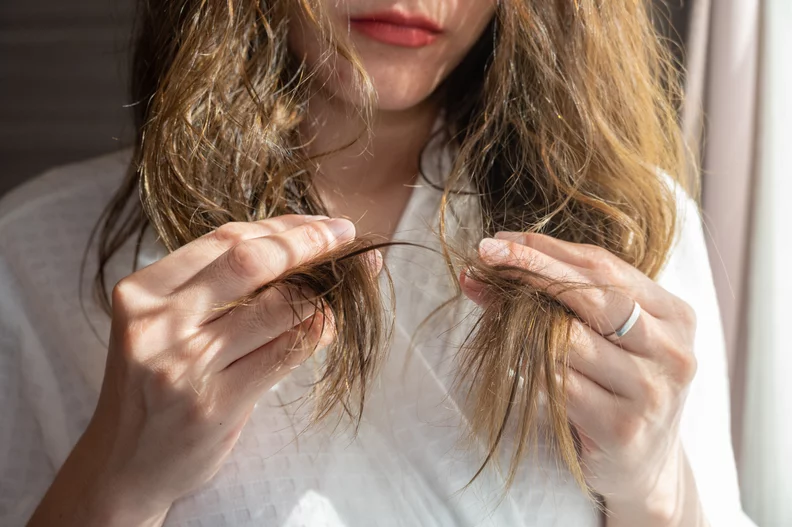
Hair loss affects millions of people worldwide. Whether caused by genetics, aging, stress, hormonal changes, or lifestyle factors, thinning hair can impact confidence and self-image. Because hair grows slowly and visibly, finding solutions that truly work becomes a priority for many.
This guide explains which hair growth remedies — from scientifically supported treatments to lifestyle adjustments — actually show results. We’ll break down proven options, how they work, expected timelines, and what to consider before starting any regimen.
How Hair Growth Works
To understand remedies, it helps to know the basics. Each hair grows from a follicle beneath the skin. Hair growth occurs in cycles:
- Anagen (growth phase)
- Catagen (transitional phase)
- Telogen (resting phase)
When more hairs enter the resting or shedding phase prematurely, thinning and hair loss occur. Effective remedies aim to prolong the growth phase or reduce shedding.
Proven Topical Treatments
Minoxidil
Minoxidil is among the most studied and widely recommended hair growth treatments. Often available in 2% and 5% formulas, it is applied directly to the scalp.
How it works:
- Prolongs growth phase
- Increases blood flow to hair follicles
- Encourages thicker shafts
Results:
- Noticeable improvement usually within 3 to 6 months
- Best for early thinning and receding hairlines
- May slow further hair loss
Considerations:
- Must be used consistently
- Improvements reverse if treatment stops
- Mild scalp irritation possible
Minoxidil remains one of the few topical agents with consistent clinical evidence supporting hair regrowth.
Oral Medications That Work
Finasteride
Finasteride is a daily oral medication often prescribed for male pattern hair loss. It works by blocking the conversion of testosterone to DHT (dihydrotestosterone), a hormone linked to follicle shrinkage.
How it works:
- Reduces DHT levels
- Prevents further follicle miniaturization
- Can lead to hair regrowth
Results:
- Noticeable changes often visible in 3 to 6 months
- Continued improvement with ongoing use
Considerations:
- Not typically recommended for women of child-bearing age
- Possible side effects include changes in libido
- Requires a prescription
Finasteride is one of the most effective FDA-approved treatments for androgenic hair loss in men.
Low-Dose Oral Supplements (with evidence)
Certain supplements may support hair growth when a deficiency is present. These include:
- Biotin: Often associated with hair strength
- Iron: For those with iron deficiency
- Zinc: Important for follicle health
- Vitamin D: Linked with follicular cycling
Results depend on individual deficiencies. Supplements are not guaranteed for everyone, but they are beneficial where nutrition gaps exist.
Medical Procedures That Promote Hair Growth
Platelet-Rich Plasma (PRP) Therapy

PRP therapy involves drawing a person’s blood, concentrating platelets, and injecting the solution into the scalp.
How it works:
- Platelets release growth factors
- Stimulates follicle activity
- Improves scalp health
Results:
- Often seen after 2 to 4 sessions
- Can continue to improve over months
- Best when combined with other treatments
Considerations:
- Performed by medical professionals
- Multiple sessions often needed
- Results vary by individual
Low-Level Laser Therapy (LLLT)
Low-Level Laser Therapy uses red light wavelengths to stimulate hair follicles. Devices include combs, helmets, and caps.
How it works:
- Improves cellular energy in follicles
- Increases blood flow
- Reduces inflammation
Results:
- Noticeable improvement typically after 3 to 6 months
- Works best with consistent use
Considerations:
- FDA cleared for hair growth
- Non-invasive
- Works better when combined with other treatments
Hair Transplant Surgery
Hair transplantation physically relocates hair follicles from dense areas to thinning zones. For many with advanced thinning, it offers dramatic and lasting results.
How it works:
- Follicles are harvested and implanted
- Transplanted hair behaves like natural hair
Results:
- Permanent results once follicles establish growth
- Visible within 6 to 12 months
Considerations:
- Most expensive option
- Surgical risks and recovery time
- Best suited for advanced hair loss
Lifestyle and Daily Habits That Support Hair Growth
Balanced Nutrition
Hair needs nutrients to grow. A diet rich in:
- Lean proteins
- Omega-3 fatty acids
- Vitamins and minerals
- Hydration
helps maintain healthy hair.
Food sources:
- Fish, eggs, lean meats
- Leafy greens, berries
- Nuts and seeds
Scalp Care and Massage
Gentle scalp massage increases blood flow and relaxes tension around follicles.
Daily or weekly massage can support overall scalp health and may enhance topical treatment effectiveness.
Stress Management
Stress triggers inflammatory responses that can increase hair shedding. Approaches that help include:
- Mindfulness and meditation
- Regular exercise
- Adequate sleep
Addressing stress supports overall health and indirectly aids hair retention.
Remedies With Limited or Mixed Evidence
Natural Oils and Herbal Extracts
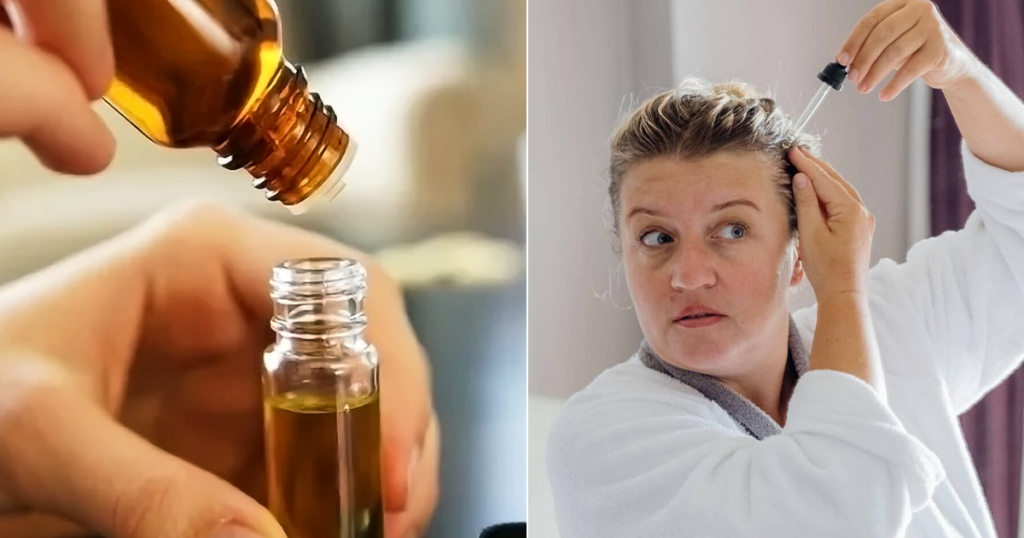
Common oils promoted for hair growth include:
- Castor oil
- Rosemary oil
- Jojoba oil
Some small studies suggest benefits, but evidence is not strong or consistent. Oils may improve scalp condition but do not reliably regrow hair on their own.
Microbiome-Focused Products
Emerging research links scalp microbiome balance with hair health. Products targeting microbiome balance may improve scalp condition, but strong evidence for hair regrowth is still developing.
Microneedling at Home
Microneedling creates tiny punctures in the scalp to encourage circulation. Some clinical settings use it alongside PRP or topical treatments.
At-home devices show mixed evidence and may risk irritation if not used properly.
What to Expect: Timelines and Realistic Goals
Hair growth is gradual. Realistic expectations include:
- Shedding may continue early in treatment
- Initial improvement often appears after 3 months
- Most treatments show optimal results by 6–12 months
- Consistency is key
Not all remedies work for everyone. Individual response varies based on:
- Age
- Genetics
- Health status
- Severity of hair loss
Combination approaches often yield better outcomes.
Safety and When to Seek Professional Guidance

Before starting any treatment:
- Consult a healthcare provider, especially for medications
- Review medical history and possible interactions
- Discuss realistic goals and timelines
- Ask about side effects
Professionals can tailor a plan that balances effectiveness and safety.
Real Life Results: Success Stories
Many individuals experience noticeable improvement with:
- Minoxidil plus scalp care
- Prescription medications under supervision
- Laser therapy combined with lifestyle changes
- Surgical restoration for advanced cases
Hearing real experiences can help set realistic expectations.
Choosing the Right Remedy for You
When evaluating options, consider:
- Severity of thinning
- Budget and treatment duration
- Lifestyle compatibility
- Medical guidance and supervision
Effective plans often combine treatments with lifestyle adjustments.
Final Thoughts
Hair growth remedies that actually show results are those backed by clinical evidence and consistent use. While there is no instant solution, meaningful improvement is achievable with:
- Proven medications like minoxidil and finasteride
- Medical therapies such as PRP or laser
- Skilled surgical options when needed
- Supportive lifestyle habits
Consultation with a qualified clinician ensures the safest and most effective path to healthier, stronger hair.


