
Understanding Benign Prostatic Hyperplasia and Why Treatment Matters
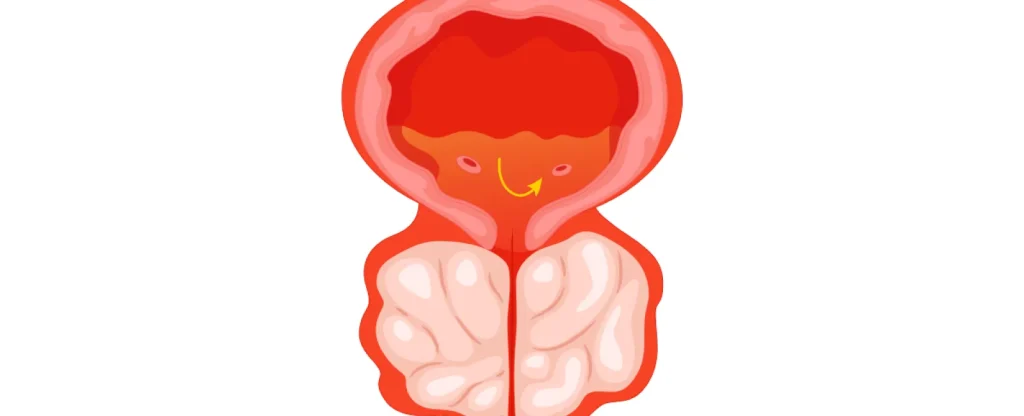
Benign Prostatic Hyperplasia (BPH), often called an enlarged prostate, is a common condition among men as they age. The prostate gland naturally grows over time, and for many men, this enlargement can interfere with normal urinary function. BPH is not cancer, but it can significantly impact quality of life if left untreated.
The good news is that there are now many effective treatment options available — ranging from lifestyle changes and medications to minimally invasive procedures and surgery. This article provides a comprehensive overview of the latest BPH treatments available today, helping patients and caregivers understand choices, benefits, risks, and expected outcomes.
What Causes BPH and Who Is at Risk
Benign Prostatic Hyperplasia is linked to hormonal changes that occur with aging. Men over 50 are most commonly affected, and the risk increases with age. Family history, lifestyle factors, and certain health conditions such as obesity and diabetes can also influence the likelihood of developing BPH.
While mild symptoms may not require immediate treatment, moderate to severe symptoms often do — especially when they interfere with daily activities and sleep.
Recognizing BPH Symptoms

Typical symptoms of BPH include:
- Frequent urination, especially at night
- Urgency and difficulty starting urination
- Weak or interrupted urine stream
- Dribbling at the end of urination
- Feeling that the bladder is not completely empty
If these symptoms are affecting daily life, it is important to discuss treatment options with a healthcare provider.
Lifestyle Changes and Management Strategies
For men with mild symptoms, lifestyle adjustments may help manage BPH without immediate medical intervention.
Fluid Management
Limiting fluid intake before bedtime or social events can reduce nighttime bathroom trips.
Dietary Adjustments
A diet rich in fruits, vegetables, and healthy fats may support prostate health. Reducing caffeine and alcohol, both of which can irritate the bladder, is often recommended.
Regular Exercise
Physical activity supports bladder and overall health. Regular walking, swimming, or cycling can improve urinary symptoms in some cases.
Many men find that lifestyle changes slow progression and enhance treatment effectiveness.
Medical Therapies: Effective First-Line Treatments
Modern medicine offers several effective drug classes for BPH. These medications work by reducing prostate size or relaxing muscles to improve urine flow.
Alpha Blockers
Alpha blockers help relax the muscle fibers in the prostate and bladder neck, reducing urinary resistance. Commonly prescribed alpha blockers include:
- Tamsulosin
- Doxazosin
- Terazosin
Alpha blockers can improve symptoms relatively quickly, often within days. They do not shrink the prostate but ease muscle tension to help urine flow more freely.
5-Alpha Reductase Inhibitors
5-Alpha Reductase Inhibitors (5-ARIs) work by blocking hormones that cause prostate growth. These medications can actually reduce prostate size over time.
Examples include:
- Finasteride
- Dutasteride
5-ARIs are typically used for larger prostates and may take several months to show full benefit. They can also reduce the risk of BPH progression and need for surgery.
Combination Therapy
For many men, a combination of an alpha blocker and a 5-ARI offers superior symptom relief compared to either medication alone. Combination therapy is often recommended for moderate to severe symptoms or significantly enlarged prostates.
Phosphodiesterase-5 Inhibitors
Some medications originally developed for erectile dysfunction, such as tadalafil, have been shown to improve BPH symptoms in some men by relaxing smooth muscle in the bladder and prostate.
Tadalafil is approved for both BPH and erectile dysfunction, providing dual benefits for many patients.
Minimally Invasive Procedures for BPH

When medications do not provide sufficient relief or side effects are problematic, minimally invasive procedures offer effective alternatives with faster recovery and fewer complications than traditional surgery.
Transurethral Microwave Therapy (TUMT)
TUMT uses microwave energy delivered through the urethra to heat and destroy excess prostate tissue. It is typically performed on an outpatient basis with a relatively quick recovery.
Transurethral Needle Ablation (TUNA)
TUNA utilizes radiofrequency energy to target and reduce prostate tissue. Like TUMT, it is minimally invasive and designed for men with moderate symptoms.
Prostatic Urethral Lift (UroLift)
UroLift is a widely used procedure that places small implants to lift and hold prostate tissue away from the urethra. It improves urine flow without cutting or removing tissue and typically provides rapid symptom relief.
Water Vapor Therapy (Rezūm)
Rezūm uses controlled steam to destroy excess prostate tissue. The procedure is quick, typically performed in a clinic, and often leads to symptom improvement within weeks.
Aquablation Therapy
Aquablation combines real-time imaging with a high-pressure water jet to remove prostate tissue. It is precision-oriented and may be suitable for larger prostates.
Surgical Options for Advanced or Persistent BPH
For men with severe symptoms, significant complications, or who do not respond to other treatments, surgical options may be recommended. These procedures are typically more invasive and require longer recovery, but they offer durable symptom relief.
Transurethral Resection of the Prostate (TURP)
TURP has long been considered the gold standard surgical treatment for BPH. It involves removing prostate tissue via the urethra to improve urine flow.
Laser Prostatectomy
Laser techniques use concentrated light energy to vaporize or enucleate prostate tissue. Laser prostatectomy often results in less bleeding and quicker recovery compared to traditional TURP.
Open or Robotic Prostatectomy

For very large prostates or complex cases, open or robotic prostatectomy may be necessary. These approaches remove excess tissue through small incisions or open surgery.
Comparing BPH Treatment Options
Understanding differences between treatments can help men and caregivers make informed decisions.
| Treatment Type | Invasiveness | Recovery Time | Expected Symptom Relief | Ideal For |
|---|---|---|---|---|
| Lifestyle Changes | Non-invasive | Immediate | Mild | Early symptoms |
| Medications | Non-invasive | Weeks | Moderate | Mild to moderate symptoms |
| Minimally Invasive Procedures | Low | Days to weeks | Strong | Moderate symptoms |
| Surgery | High | Weeks | Strong to durable | Severe symptoms or complications |
What to Expect During Treatment
Choosing a treatment involves:
- Medical evaluation
- Prostate size measurement
- Symptom scoring
- Discussion of risks, benefits, and recovery expectations
Shared decision-making between the patient and provider ensures the chosen approach matches symptoms, health status, and personal goals.
Potential Side Effects and Risks
All treatments carry potential side effects. Common considerations include:
- Medications: dizziness, sexual side effects, blood pressure changes
- Minimally invasive procedures: temporary urinary symptoms, mild discomfort
- Surgery: bleeding, infection risk, temporary urinary catheters
Discussing possible outcomes and monitoring throughout treatment helps manage expectations and safety.
Monitoring After Treatment
Follow-up care helps ensure treatment success and early identification of complications. Monitoring may include:
- Symptom assessments
- Urine flow measurements
- Prostate size evaluations
- Side effect discussions
Long-term follow-up supports ongoing symptom management.
Lifestyle Support During Treatment
In addition to medical and surgical care, lifestyle habits can support symptom improvement:
- Staying hydrated
- Avoiding alcohol and caffeine before bedtime
- Regular physical activity
- Pelvic floor exercises
These habits help manage urinary symptoms and support overall health.
When to Seek Medical Help

Men should seek medical evaluation if they experience:
- Sudden worsening of symptoms
- Inability to urinate
- Blood in urine
- Repeated urinary tract infections
- Significant pain or discomfort
Prompt assessment prevents complications and ensures appropriate intervention.
The Importance of Shared Decision-Making
Choosing the right BPH treatment is a collaborative process. Patients should feel empowered to:
- Ask questions
- Understand side effects
- Explore alternatives
- Discuss long-term expectations
Clear communication leads to informed choices and better satisfaction.
Final Thoughts
Benign Prostatic Hyperplasia is a common condition for aging men, but it does not have to control life. With today’s wide range of treatment options — from lifestyle changes and medications to minimally invasive procedures and surgery — most men achieve significant symptom improvement.
Early consultation with a healthcare provider and thoughtful consideration of available treatments can lead to better outcomes, improved comfort, and enhanced quality of life.


