
Understanding a Rare Condition Through Its Warning Signs
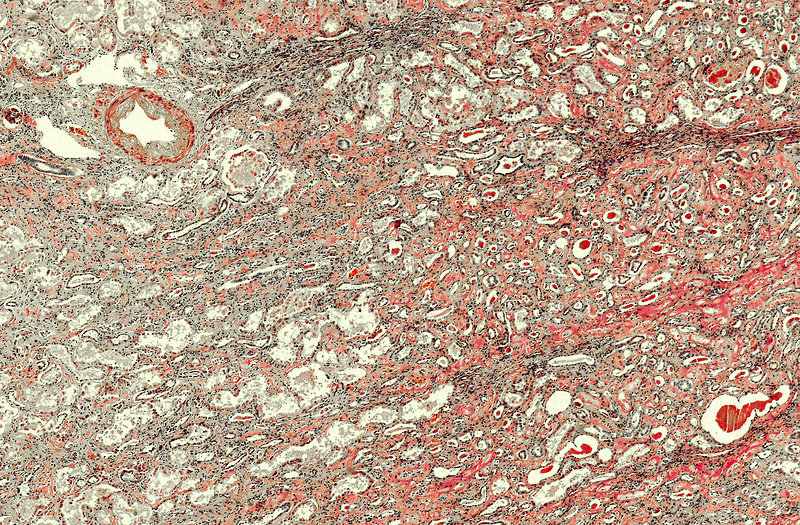
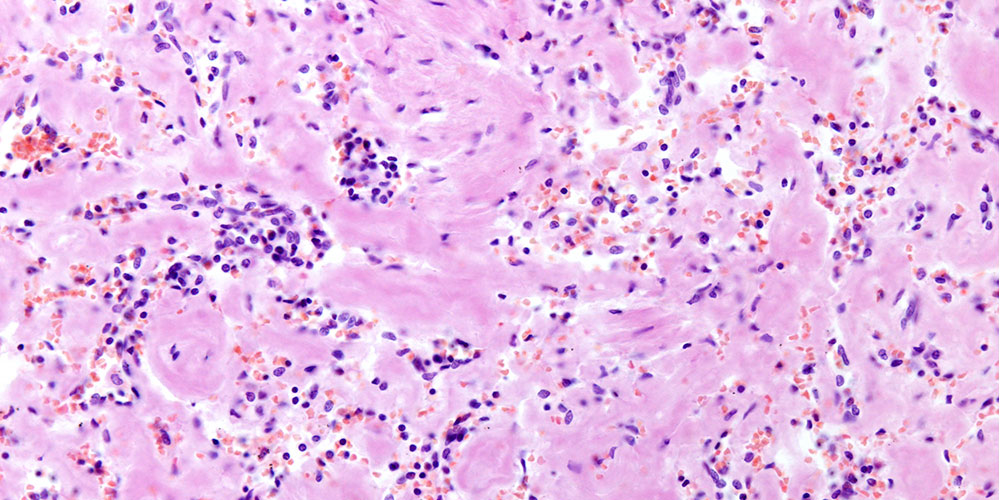
Amyloidosis is a rare disorder caused by the buildup of abnormal proteins, called amyloid, in tissues and organs throughout the body. These protein deposits interfere with normal organ function and can lead to serious complications if not identified and treated early.
Because amyloidosis affects multiple organs and its symptoms often resemble common conditions, diagnosis is frequently delayed. Understanding the key symptoms of amyloidosis is essential for early recognition and timely medical care.
This article clearly explains the most important warning signs, how they vary by organ system, and when to seek medical evaluation.
What Is Amyloidosis?
Amyloidosis occurs when certain proteins misfold and accumulate in tissues instead of being broken down and cleared by the body. Over time, these deposits disrupt organ structure and function.
There are several types of amyloidosis, including:
- AL (light chain) amyloidosis
- AA (secondary) amyloidosis
- ATTR (transthyretin) amyloidosis
While the underlying causes differ, the symptoms often overlap and depend on which organs are affected.
Why Amyloidosis Symptoms Are Often Missed
Early amyloidosis symptoms are often subtle and nonspecific. Fatigue, swelling, shortness of breath, or digestive issues can easily be attributed to aging, stress, or more common illnesses.
Symptoms may also appear gradually, affecting different organs over time. This complexity makes awareness of symptom patterns especially important.
General Symptoms Seen in Many Patients
Some symptoms occur regardless of which organs are primarily involved. These include:
- Persistent fatigue or weakness
- Unintentional weight loss
- Loss of appetite
- General feeling of being unwell
These signs often appear early but are rarely recognized as related to amyloidosis without additional clues.
Heart-Related Symptoms
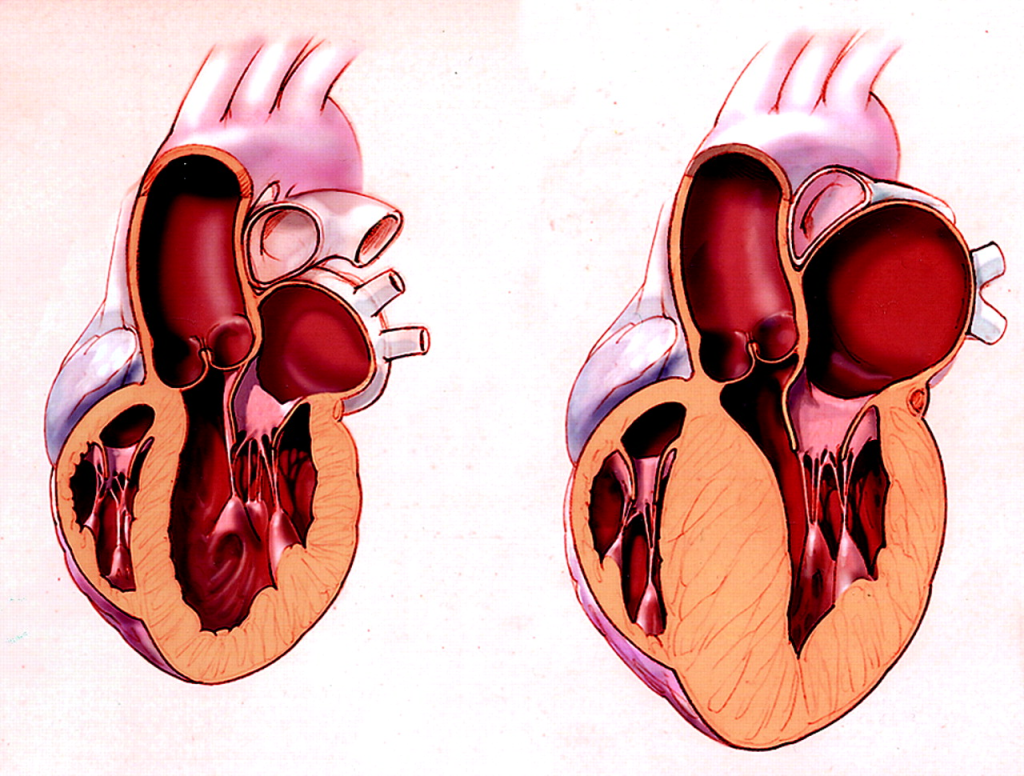
Cardiac involvement is common and serious in amyloidosis. Amyloid deposits stiffen the heart muscle, making it harder for the heart to fill and pump effectively.
Key heart-related symptoms include:
- Shortness of breath during activity or rest
- Swelling of the legs, ankles, or abdomen
- Irregular heartbeat or palpitations
- Dizziness or fainting
These symptoms may resemble heart failure but often progress despite standard treatments.
Kidney-Related Symptoms
The kidneys are frequently affected by amyloid buildup, especially in AL and AA amyloidosis.
Common kidney-related warning signs include:
- Swelling in the legs, ankles, or around the eyes
- Foamy urine due to protein leakage
- Decreased urine output
- Elevated creatinine levels on blood tests
Kidney involvement may progress silently until significant damage has occurred.
Nervous System Symptoms
Amyloid deposits can damage peripheral nerves, leading to sensory and autonomic symptoms.
Common nervous system symptoms include:
- Numbness or tingling in hands and feet
- Burning or shooting pain
- Weakness in limbs
- Difficulty maintaining balance
Autonomic nerve involvement may cause:
- Dizziness when standing
- Digestive motility problems
- Abnormal sweating
- Blood pressure instability
Digestive System Symptoms
Amyloidosis can affect the gastrointestinal tract, leading to a wide range of digestive symptoms.
These may include:
- Diarrhea or constipation
- Early fullness after eating
- Abdominal pain or bloating
- Difficulty swallowing
- Malabsorption and weight loss
Digestive symptoms often fluctuate and may worsen over time.
Liver and Spleen Symptoms
Amyloid deposits in the liver and spleen can cause:
- Enlargement of the liver or spleen
- Abdominal discomfort
- Abnormal liver function tests
While liver involvement may not cause pain initially, it can contribute to fatigue and digestive issues.
Skin and Soft Tissue Changes

Skin involvement can provide visible clues to amyloidosis.
Common skin-related signs include:
- Easy bruising, especially around the eyes
- Thickened or waxy skin
- Purple discoloration around the eyes
- Nodules or lumps under the skin
These signs may be subtle but are often important diagnostic clues.
Tongue and Oral Symptoms
An enlarged tongue, known as macroglossia, is a distinctive symptom seen in some forms of amyloidosis.
This may cause:
- Difficulty speaking
- Trouble swallowing
- Dental indentations along the tongue edges
Although not present in all patients, this symptom is highly suggestive when it occurs.
Joint and Muscle Symptoms
Amyloid deposits may accumulate in joints and muscles, leading to:
- Joint stiffness or swelling
- Reduced range of motion
- Muscle weakness
These symptoms can be mistaken for arthritis or age-related joint conditions.
Breathing and Lung Symptoms
Although less common, amyloidosis can affect the lungs, causing:
- Chronic cough
- Shortness of breath
- Reduced exercise tolerance
Breathing symptoms may worsen when heart involvement is also present.
Eye-Related Symptoms
Some patients experience eye symptoms, including:
- Dry eyes
- Visual disturbances
- Deposits on the eyelids
Eye involvement may contribute to discomfort and visual changes.
Differences in Symptoms by Amyloidosis Type
- AL amyloidosis: Often affects heart, kidneys, nerves, and skin
- AA amyloidosis: Commonly involves kidneys and digestive system
- ATTR amyloidosis: Frequently impacts heart and nerves, especially in older adults
Understanding these patterns helps guide diagnostic testing.
When Symptoms Become Serious

Amyloidosis symptoms become particularly concerning when they include:
- Rapidly worsening shortness of breath
- Severe swelling
- Fainting or severe dizziness
- Sudden kidney function decline
These signs require immediate medical attention.
Who Is at Higher Risk
Amyloidosis may be more likely in individuals with:
- Plasma cell disorders
- Chronic inflammatory diseases
- Family history of amyloidosis
- Older age (especially for ATTR amyloidosis)
Risk factors combined with unexplained symptoms should prompt evaluation.
How Amyloidosis Is Diagnosed
Diagnosis often involves:
- Blood and urine tests
- Imaging studies
- Tissue biopsy to confirm amyloid deposits
Early recognition of symptoms can significantly shorten the time to diagnosis.
Importance of Early Detection
Early diagnosis allows for:
- Targeted treatment
- Slower disease progression
- Improved quality of life
- Reduced organ damage
Delayed diagnosis may limit treatment options and outcomes.
Managing Symptoms Alongside Treatment
While treating the underlying cause is essential, symptom management improves comfort and function. This may include:
- Medications for heart failure or neuropathy
- Dietary adjustments
- Physical therapy
- Supportive care strategies
Symptom-focused care plays a key role in overall management.
Emotional Impact of Living With Amyloidosis
Unexplained symptoms can cause anxiety and frustration. Receiving a diagnosis may be overwhelming, but it also provides clarity and direction for treatment.
Support from healthcare teams, family, and patient organizations is invaluable.
When to Talk to a Healthcare Provider
Seek medical advice if you experience:
- Persistent unexplained fatigue
- Swelling without clear cause
- Progressive nerve symptoms
- Multiple unexplained organ-related issues
Early evaluation can be life-changing.
Final Thoughts
Amyloidosis is a complex condition with symptoms that vary widely depending on which organs are affected. Fatigue, swelling, heart issues, nerve pain, digestive problems, and skin changes are among the most important warning signs.
Because symptoms often appear gradually and mimic more common illnesses, awareness is critical. Recognizing patterns and seeking timely medical evaluation can lead to earlier diagnosis, more effective treatment, and improved outcomes.
Understanding the symptoms is the first step toward taking control of this rare but serious condition.