
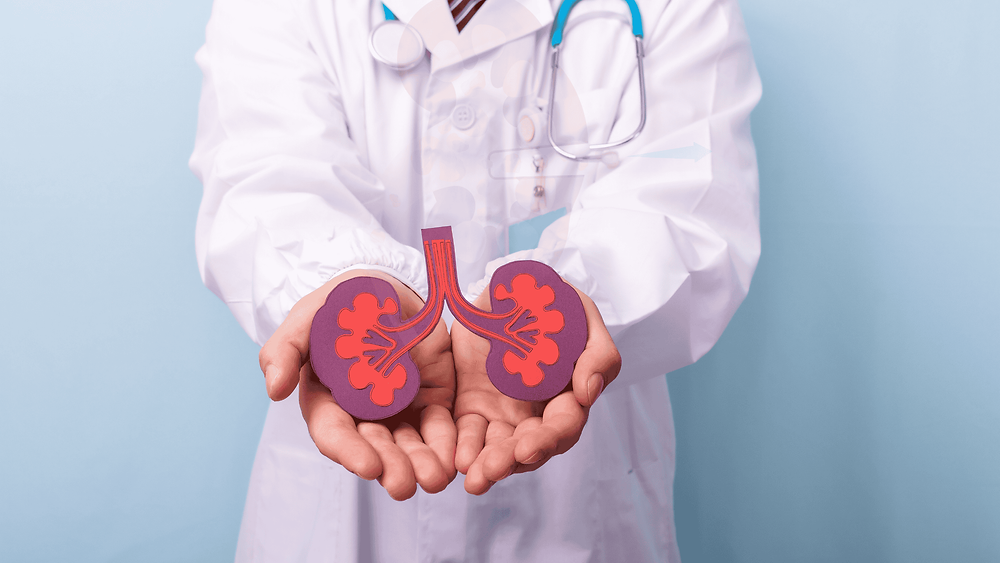
Why Early Detection Can Protect Long-Term Health
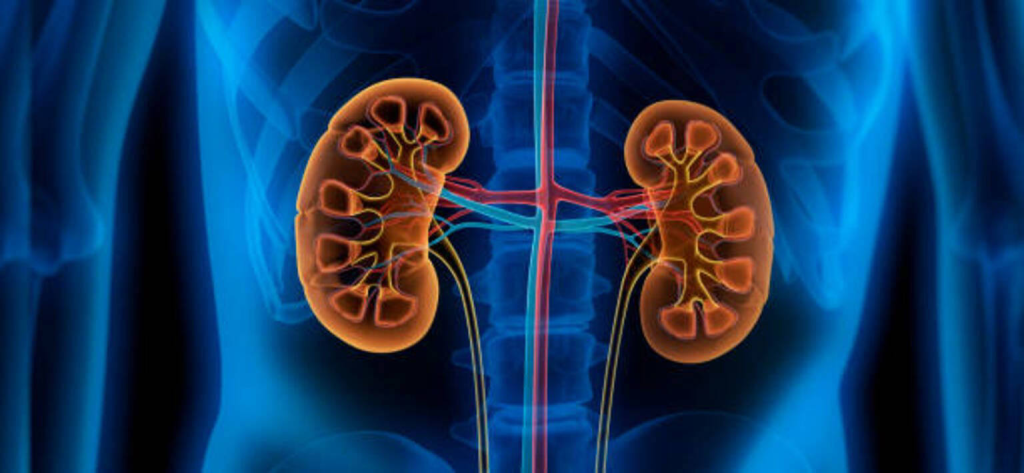
Kidney disease often develops quietly. Many people live with declining kidney function for years without obvious symptoms, only discovering a problem when damage is already advanced. This is why recognizing early warning signs of kidney disease is critical.
When caught early, kidney disease can often be slowed or managed, reducing the risk of serious complications such as kidney failure, cardiovascular disease, and the need for dialysis. This guide explains the most important early signs to watch for, who is at risk, and when to seek medical evaluation.
Understanding the Role of the Kidneys
The kidneys perform essential functions that keep the body balanced and healthy. They:
- Filter waste and excess fluids from the blood
- Regulate electrolytes such as sodium and potassium
- Help control blood pressure
- Support red blood cell production
- Maintain bone health
When kidney function declines, waste and fluid can build up silently, affecting multiple organ systems.
Why Kidney Disease Often Goes Unnoticed
In early stages, kidney disease may cause vague or mild symptoms that are easy to dismiss. Fatigue, changes in urination, or swelling may be attributed to aging, stress, or dehydration.
Because symptoms often appear only after significant damage has occurred, awareness of subtle warning signs is one of the most effective tools for early detection.
Changes in Urination Patterns
One of the earliest indicators of kidney trouble involves changes in urination.
Warning signs may include:
- Urinating more frequently, especially at night
- Producing less urine than usual
- Foamy or bubbly urine
- Dark, cloudy, or bloody urine
- Difficulty or discomfort while urinating
Foamy urine can signal protein leakage, a common early sign of kidney damage.
Persistent Fatigue and Low Energy
Healthy kidneys help produce a hormone that stimulates red blood cell production. When kidney function declines, anemia may develop, leading to persistent fatigue.
Early fatigue related to kidney disease may feel like:
- Constant tiredness despite rest
- Difficulty concentrating
- Reduced stamina
Because fatigue has many causes, it is often overlooked until combined with other symptoms.
Swelling in the Feet, Ankles, or Hands
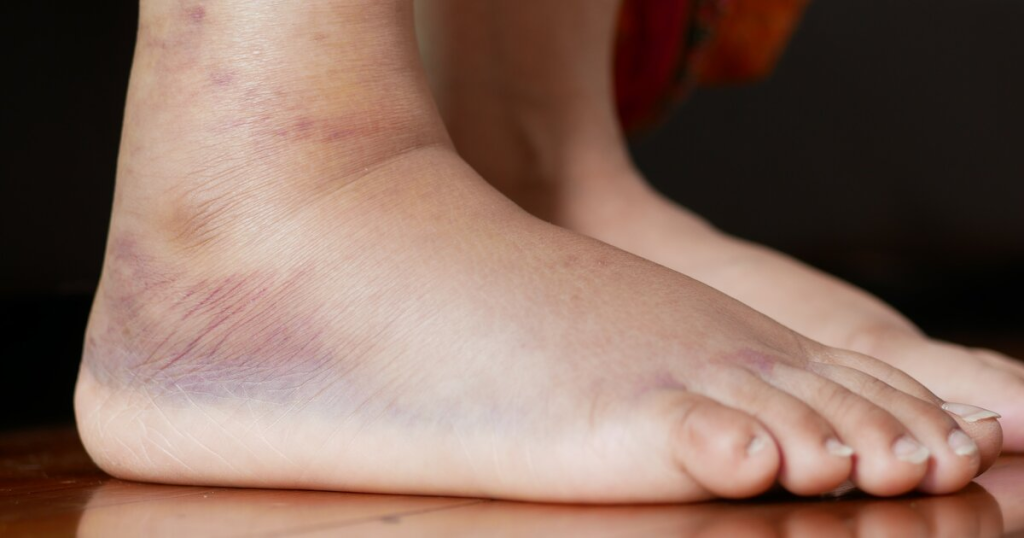
Kidneys regulate fluid balance. When they struggle to remove excess fluid, swelling (edema) may occur.
Early swelling often appears in:
- Feet
- Ankles
- Hands
- Lower legs
This swelling may be more noticeable at the end of the day or after long periods of standing.
Puffiness Around the Eyes
Swelling around the eyes, particularly in the morning, can be an early sign of kidney disease. This may indicate protein loss in the urine, which protein normally helps keep fluid inside blood vessels.
Persistent eye puffiness should not be ignored, especially if it occurs alongside other symptoms.
Changes in Skin Appearance or Itching
As kidney function declines, waste products may build up in the bloodstream. This can lead to:
- Dry skin
- Persistent itching
- Changes in skin color
These symptoms may appear before noticeable kidney pain or urinary issues.
Loss of Appetite and Digestive Changes
Early kidney disease can affect digestion and appetite. Warning signs may include:
- Loss of appetite
- Nausea
- Metallic taste in the mouth
- Unexplained weight loss
These symptoms often worsen as kidney function declines, but even mild changes deserve attention.
Muscle Cramps and Electrolyte Imbalances
Kidneys help regulate electrolyte levels. When this balance is disrupted, muscle cramps or twitching may occur, especially in the legs.
Frequent or unexplained muscle cramps may indicate abnormal calcium, sodium, or potassium levels related to kidney function.
Trouble Sleeping or Restlessness

Kidney disease can disrupt sleep patterns due to toxin buildup or restless legs. Difficulty falling asleep or staying asleep may be an early but overlooked sign.
Poor sleep combined with fatigue and other symptoms may point toward an underlying kidney issue.
High Blood Pressure That Is Hard to Control
Kidneys play a key role in regulating blood pressure. Kidney disease can both cause and worsen hypertension.
Warning signs include:
- Newly diagnosed high blood pressure
- Blood pressure that remains high despite treatment
Uncontrolled blood pressure further damages kidneys, creating a harmful cycle.
Shortness of Breath
Fluid buildup caused by kidney disease can affect the lungs, leading to shortness of breath. Anemia related to kidney dysfunction can also reduce oxygen delivery to tissues.
This symptom may appear during mild activity or while resting.
Brain Fog and Difficulty Concentrating
Toxin buildup and anemia can affect mental clarity. Early signs may include:
- Difficulty focusing
- Memory problems
- Slower thinking
These changes are often subtle but may worsen over time.
Who Is at Higher Risk for Kidney Disease
Certain individuals face a higher risk and should be especially alert to early symptoms:
- People with diabetes
- Individuals with high blood pressure
- Seniors
- Those with a family history of kidney disease
- People with heart disease
- Individuals taking certain medications long-term
For high-risk groups, regular screening is essential even without symptoms.
The Importance of Routine Kidney Testing
Kidney disease is often detected through simple tests:
- Blood tests to measure creatinine and estimated GFR
- Urine tests to detect protein or blood
These tests can identify kidney damage before symptoms become severe.
When to See a Healthcare Provider

You should seek medical evaluation if you experience:
- Persistent changes in urination
- Swelling that does not resolve
- Ongoing fatigue or weakness
- Unexplained itching or appetite loss
Early consultation allows for proper testing and management.
How Early Treatment Can Slow Progression
Early-stage kidney disease can often be managed through:
- Blood pressure control
- Blood sugar management
- Dietary adjustments
- Medication review
- Lifestyle changes
These steps can significantly delay progression and preserve kidney function.
Lifestyle Habits That Support Kidney Health
Protecting kidney health involves:
- Staying hydrated
- Eating a balanced diet
- Limiting excess salt and processed foods
- Avoiding smoking
- Maintaining a healthy weight
Small, consistent changes can have long-term benefits.
Avoiding Common Misconceptions
Many people believe kidney disease always causes pain. In reality, pain often appears late or not at all.
Relying on pain as a warning sign can delay diagnosis and treatment.
Kidney Disease and Aging
While kidney function naturally declines with age, significant changes should not be dismissed as “normal aging.” Early symptoms deserve evaluation regardless of age.
Emotional Impact of Early Diagnosis
Learning about kidney disease early can be stressful, but early diagnosis provides options. With proper management, many people live full, active lives with stable kidney function.
Knowledge empowers prevention.
Final Thoughts
Early warning signs of kidney disease are often subtle but meaningful. Changes in urination, swelling, fatigue, skin issues, and blood pressure should never be ignored.
Recognizing symptoms early, especially for those at higher risk, can prevent serious complications and preserve long-term health. If something feels off, trust your instincts and seek medical advice.
Early action makes a difference.


