
Why Furniture Costs Feel Higher Than Ever
Furniture prices have changed noticeably in recent years. Shoppers often wonder why a sofa or dining table costs significantly more than expected — and whether there’s a smart way to spend less without sacrificing quality.
The answer lies in a combination of materials, labor, logistics, and consumer trends that all influence today’s furniture market.
Material Costs Play a Major Role
The materials used to make furniture heavily impact pricing.
Rising costs for:
- Solid wood and engineered lumber
- Metals and hardware
- Upholstery fabrics and foams
have pushed prices upward. Sustainable or ethically sourced materials also tend to cost more due to responsible harvesting and production standards.
Manufacturing and Labor Expenses
Furniture manufacturing is labor-intensive. Skilled craftsmanship, safety regulations, and fair wages all contribute to higher production costs.
Handcrafted or locally made furniture often carries a higher price tag — but usually offers better durability and design detail.
Shipping and Supply Chain Factors

Large furniture items are expensive to transport.
Fuel prices, shipping delays, and storage costs all affect final retail pricing. Imported furniture may fluctuate in price due to global supply chain disruptions or tariffs.
Buying locally made or in-stock items can sometimes reduce these added costs.
Design Trends and Demand
Furniture trends change quickly, and demand drives pricing.
Popular styles — such as minimalist designs, modular furniture, or eco-friendly pieces — often cost more when demand peaks. Limited-edition collections or designer collaborations can further increase prices.
Timing your purchase outside peak trend cycles can lead to savings.
Brand Value and Marketing Costs
Well-known furniture brands invest heavily in design, marketing, and retail experiences. These costs are often reflected in the final price.
Lesser-known brands may offer similar quality without the premium branding — making comparison shopping worthwhile.
Customization and Added Features
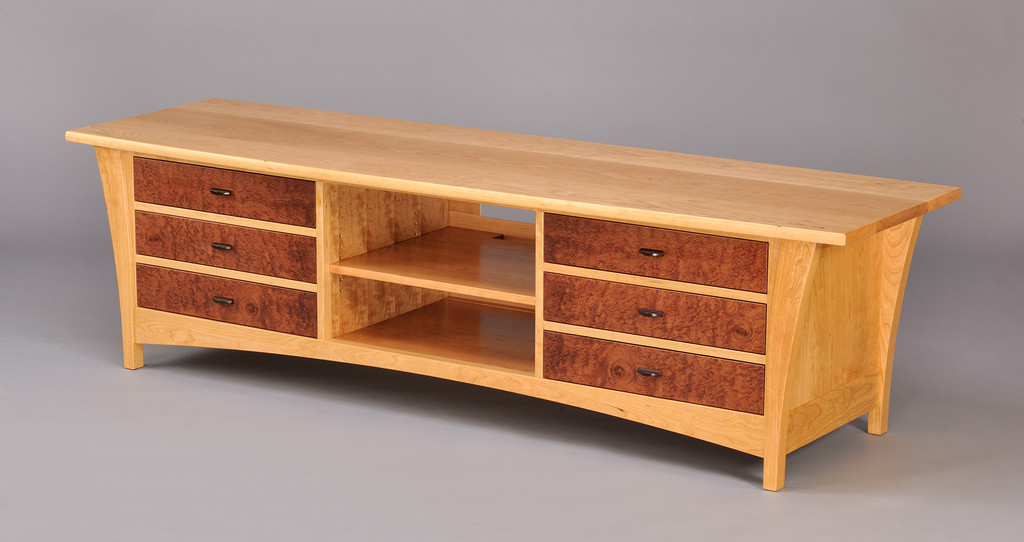
Custom finishes, size adjustments, or specialty fabrics increase production time and cost.
While customization adds value, choosing standard options is often more budget-friendly and faster to deliver.
How to Save on Furniture Without Sacrificing Quality
Smart shopping strategies can significantly reduce furniture costs:
- Shop during seasonal sales or clearance events
- Compare materials and construction, not just appearance
- Look for floor models or open-box items
- Consider timeless designs over trend-driven pieces
Patience often leads to better deals.
Buying Secondhand or Refurbished Furniture
Pre-owned furniture can offer excellent value. Many pieces are lightly used or professionally refurbished.
This approach reduces cost, supports sustainability, and sometimes delivers higher-quality materials than new budget furniture.
Online Shopping vs In-Store

Online retailers often offer lower prices due to reduced overhead. However, in-store shopping allows you to test comfort and build quality.
Combining both — researching online and viewing in-store — can help you make confident, cost-effective decisions.
Long-Term Value Matters More Than Price
The cheapest option isn’t always the most affordable in the long run. Durable furniture that lasts years often costs less over time than replacing low-quality pieces repeatedly.
Evaluating construction, warranty, and material quality protects your investment.


