
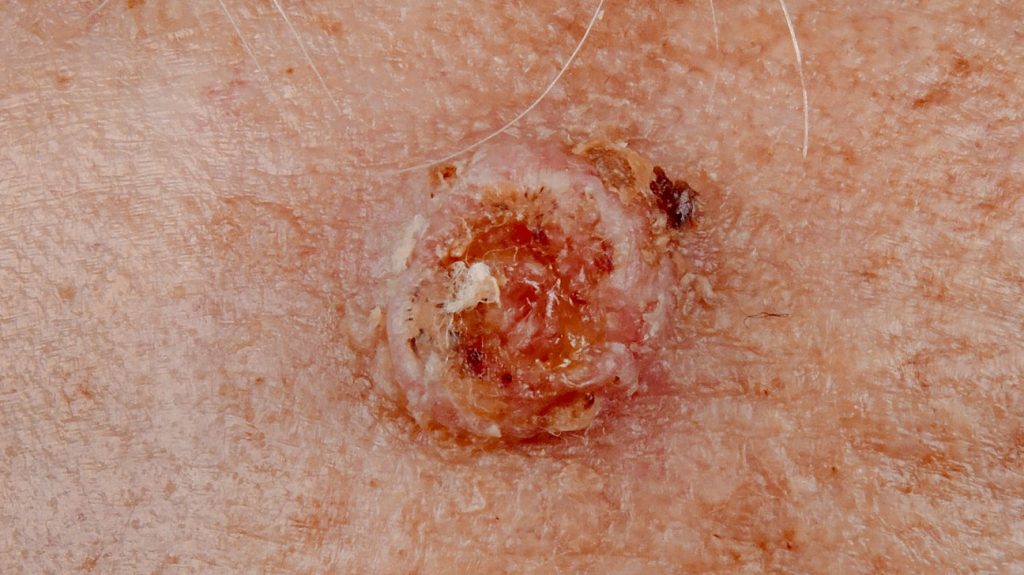
Understanding Squamous Cell Carcinoma in Older Adults

Squamous cell carcinoma (SCC) is one of the most common forms of skin cancer, and it appears more frequently in seniors. This is largely due to cumulative sun exposure over a lifetime and age-related changes in the skin.
While SCC often grows slowly, its effects can become more serious over time if not detected and treated early — especially in older adults.
Why Seniors Are More Vulnerable
[IMAGE: illustration showing sun-damaged skin layers]
As skin ages, it becomes thinner and less able to repair DNA damage caused by ultraviolet (UV) radiation. Decades of sun exposure can eventually trigger abnormal cell growth.
Risk factors that increase over time include:
- Long-term sun exposure
- Fair or sensitive skin
- Weakened immune function
- History of skin lesions
These factors make regular skin monitoring particularly important for seniors.
How Squamous Cell Carcinoma Typically Develops
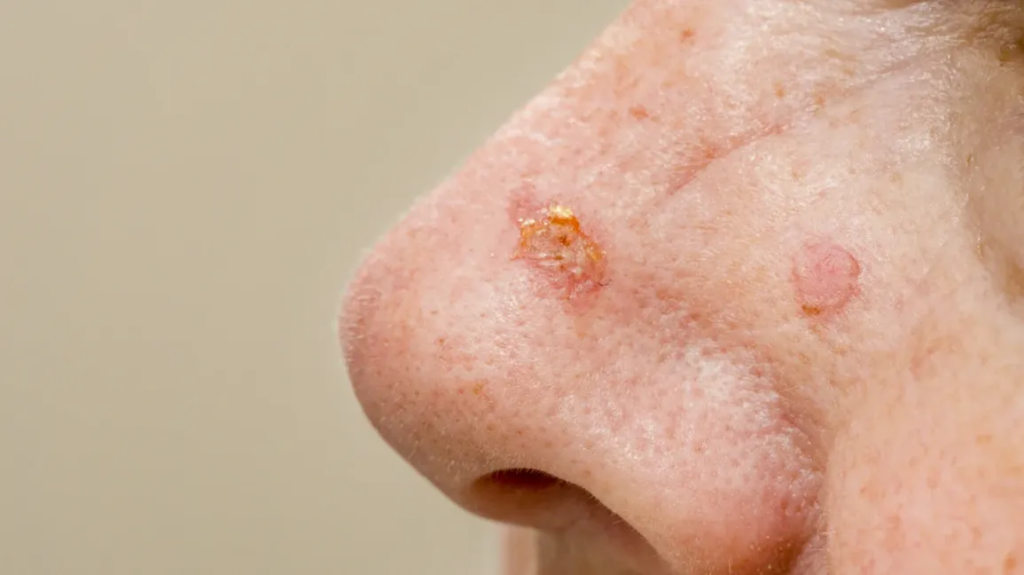
SCC often begins as a rough, scaly patch or a firm, raised growth on sun-exposed areas such as the face, ears, neck, hands, or scalp.
Over time, the lesion may:
- Become thicker or crusted
- Bleed easily
- Grow larger or more painful
In seniors, slower healing can allow the cancer to progress if it goes unnoticed.
Changes in Symptoms Over Time
Early-stage SCC may cause minimal discomfort. As it advances, symptoms can intensify.
Over time, seniors may experience:
- Persistent tenderness
- Ulceration or open sores
- Increased inflammation
Because symptoms may develop gradually, they’re sometimes mistaken for harmless skin issues.
Potential for Local Spread
Most squamous cell carcinomas remain localized when treated early. However, if left untreated, SCC can grow deeper into surrounding tissues.
In older adults, advanced cases may affect:
- Nearby nerves
- Underlying muscle
- Bone structures
This can lead to pain, functional limitations, and more complex treatment needs.
Impact on Quality of Life
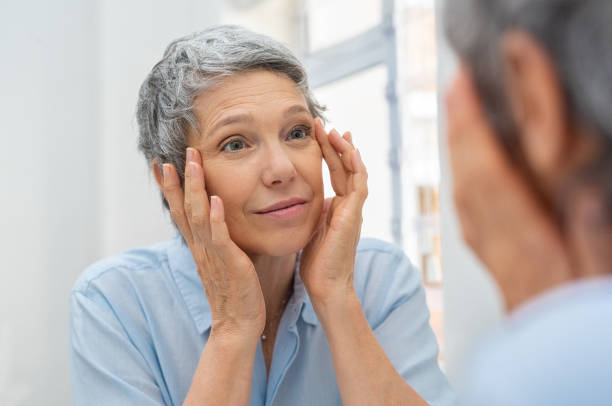
Even when SCC is not life-threatening, it can affect daily comfort and confidence. Visible lesions or repeated treatments may cause emotional stress or anxiety.
Seniors may feel:
- Concern about appearance
- Worry over recurring lesions
- Fatigue from ongoing medical appointments
Supportive care and clear communication help ease these concerns.
Treatment Outcomes in Seniors
When detected early, SCC is often highly treatable. Treatment options may include surgical removal, topical therapies, or targeted procedures.
Age alone does not prevent successful treatment. However, overall health and healing capacity can influence recovery time and follow-up care.
Importance of Ongoing Skin Monitoring
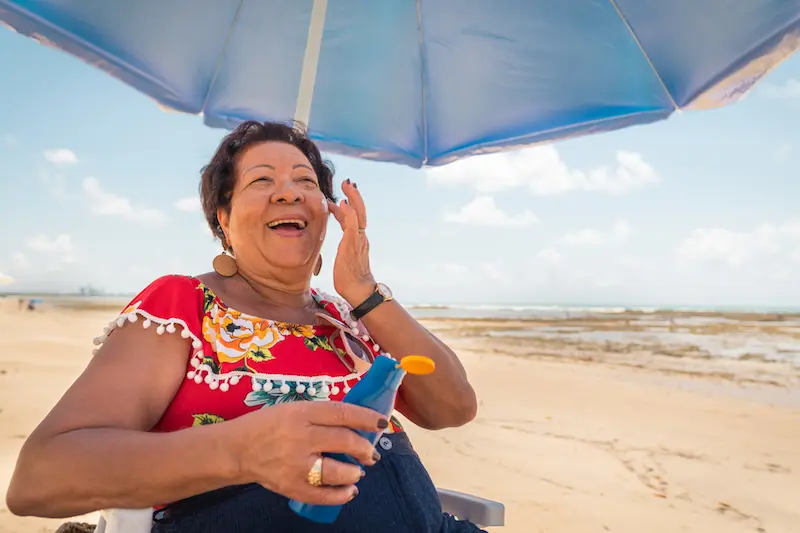
Over time, seniors who’ve had SCC may be more likely to develop additional skin cancers. Regular skin checks help detect new lesions early.
Protective habits — such as sun avoidance during peak hours and protective clothing — support long-term skin health.
Long-Term Outlook
With early detection and proper care, many seniors live comfortably with minimal long-term impact from squamous cell carcinoma.
The key factors influencing outcomes over time include:
- Early diagnosis
- Consistent follow-up
- Preventive sun protection
Awareness and routine care make a meaningful difference.
Final Thoughts
Squamous cell carcinoma can affect seniors gradually, often starting as a small skin change and progressing over time if untreated. Aging skin and past sun exposure increase vulnerability, but early detection leads to strong outcomes.
By staying attentive to skin changes and seeking timely medical care, seniors can manage SCC effectively and protect both health and quality of life.


