
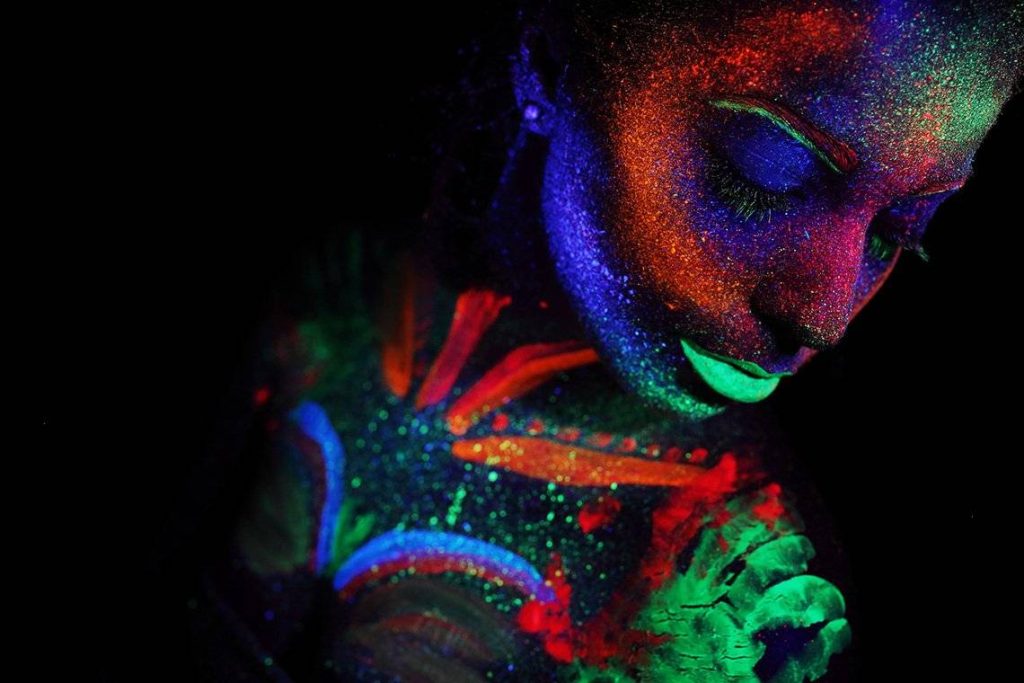
From Ritual Expression to Contemporary Art Form
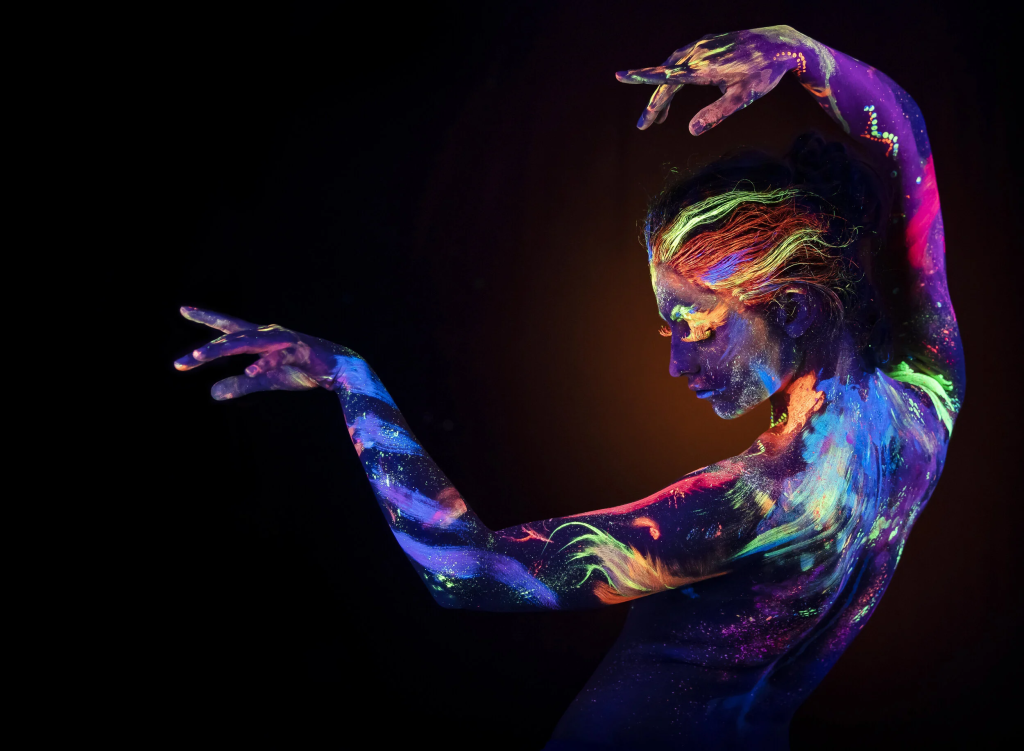
Body painting is one of humanity’s oldest visual languages. Long before canvas, stone, or paper, the human body served as a medium for identity, belief, and expression. Over time, body painting has transformed dramatically — moving from ritual practice to performance art, fashion, protest, and digital culture.
Today, body painting exists at the intersection of art, technology, and social commentary. Understanding how it evolved helps explain why it remains powerful and relevant in modern culture.
Ancient Roots of Body Painting
Body painting dates back tens of thousands of years. Early societies used pigments derived from minerals, plants, and charcoal to decorate skin for spiritual, social, and practical reasons.
Common ancient purposes included:
- Ritual ceremonies and rites of passage
- Tribal identification and status
- Protection symbolism
- Spiritual or healing practices
In many cultures, painted bodies communicated meaning without words. The designs carried stories, beliefs, and social structure.
Cultural Identity and Symbolism
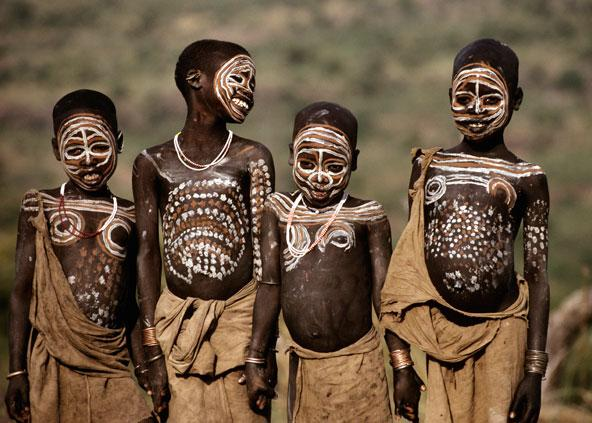
For indigenous communities across Africa, Australia, the Americas, and Oceania, body painting was — and still is — deeply symbolic.
Patterns, colors, and placement conveyed:
- Age and gender roles
- Community belonging
- Ancestral connections
- Seasonal or ceremonial significance
Unlike modern aesthetics, ancient body painting prioritized meaning over appearance. Every mark served a purpose.
Body Painting as Performance
As societies developed, body painting became closely tied to performance. Dance, ritual movement, and storytelling used painted bodies as living symbols.
This connection laid the groundwork for modern performance art, where the body itself remains central to expression and interpretation.
Decline and Marginalization in Western History
As Western societies emphasized modesty and institutional religion, body painting largely disappeared from mainstream visibility. It became associated with “primitive” cultures and was often misunderstood or dismissed.
This shift pushed body painting to the margins of accepted art forms for centuries.
Reemergence Through Modern Art Movements
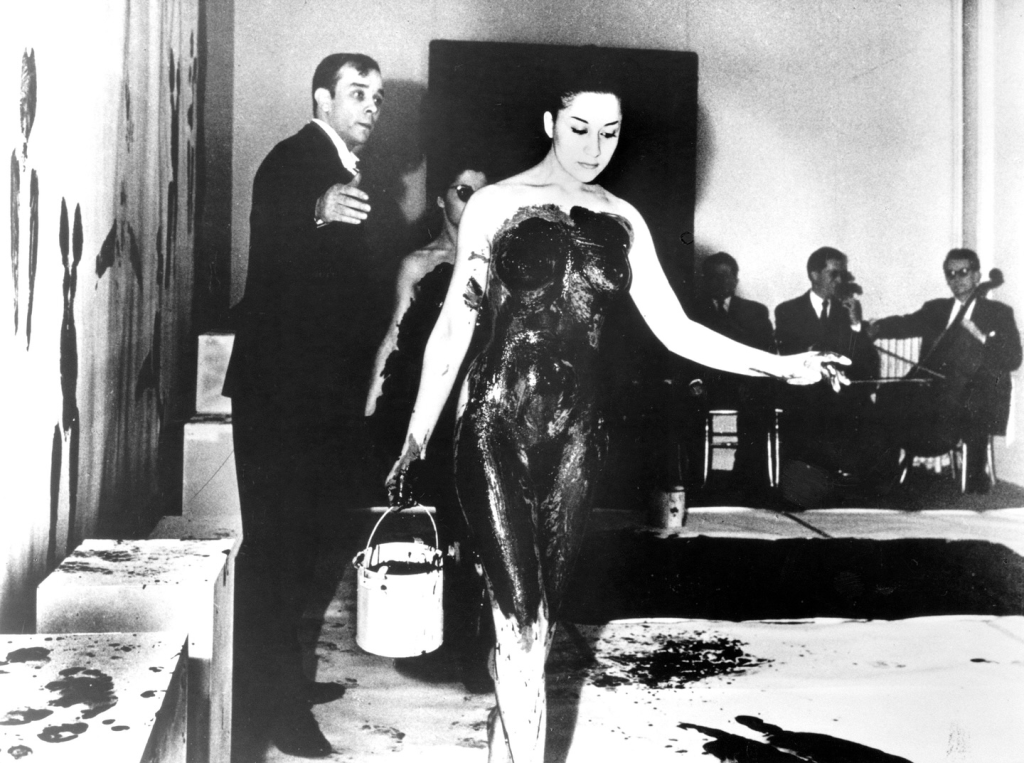
The 20th century marked a turning point. Avant-garde artists began rejecting traditional materials and embracing the body as art.
During the mid-1900s:
- Performance art challenged conventional boundaries
- The human body became a site of expression and protest
- Body painting reentered cultural dialogue
Artists used paint directly on skin to explore identity, vulnerability, and impermanence.
Influence of Fashion and Photography
Fashion and photography played a major role in modernizing body painting. Designers and photographers began collaborating with body painters to create illusions, textures, and visual narratives.
Body paint replaced clothing in conceptual shoots, challenging ideas of:
- Beauty standards
- Gender norms
- Consumer culture
Photography preserved these temporary artworks, giving body painting permanence through documentation.
Body Painting in Advertising and Branding
Brands recognized body painting’s ability to attract attention and evoke emotion. Painted bodies became tools for storytelling and memorability in advertising.
In commercial use, body painting communicates:
- Creativity and boldness
- Human connection
- Authenticity and individuality
This shift introduced body painting to mainstream audiences worldwide.
Role of Festivals and Live Events
[IMAGE: body painting festival or live performance]
Body painting festivals and competitions elevated the craft, transforming it into a recognized professional art form.
Live painting emphasizes:
- Process as performance
- Audience interaction
- Ephemeral beauty
These events helped legitimize body painting as a serious artistic discipline.
Social Media and Digital Amplification
[IMAGE: body painting shared on social media platform]
The rise of social media dramatically changed body painting’s reach. Platforms like Instagram and video-sharing apps allowed artists to share work instantly with global audiences.
Digital culture accelerated:
- Trend development
- Visual experimentation
- Cross-cultural inspiration
Body painting evolved faster as artists responded to real-time feedback and viral exposure.
Body Painting as Identity Expression
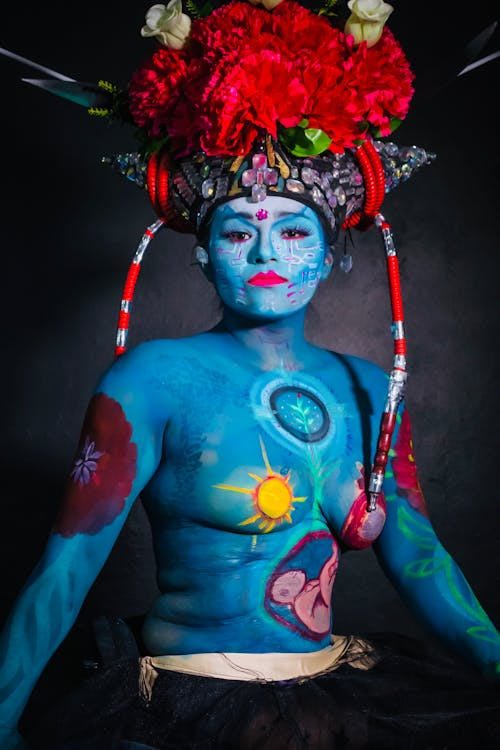
Modern body painting often explores personal identity. Artists and models use painted skin to reflect themes such as:
- Gender fluidity
- Cultural heritage
- Body positivity
- Emotional expression
The body becomes both subject and message, blending art with lived experience.
Political and Social Commentary
Body painting has also become a medium for activism. Painted messages on skin deliver powerful statements about:
- Social justice
- Environmental awareness
- Human rights
- Autonomy and freedom
Because the body is universally relatable, these messages resonate strongly with audiences.
Advancements in Materials and Techniques
Modern materials expanded what body painters can achieve. Advances include:
- Skin-safe pigments
- Airbrush technology
- UV-reactive paints
- Long-lasting cosmetic formulas
These innovations increased precision, durability, and creative freedom while prioritizing safety.
Body Painting in Film and Entertainment
Film and entertainment embraced body painting to create realistic effects without digital enhancement. Painted illusions can transform actors into creatures, characters, or abstract forms.
This practical artistry blends seamlessly with modern visual storytelling.
Ethical Awareness and Consent
Modern culture places greater emphasis on consent, representation, and respect within body painting.
Ethical practices now focus on:
- Clear collaboration
- Comfort and boundaries
- Cultural sensitivity
- Informed participation
This shift reflects broader cultural conversations around agency and respect.
Temporary Art With Lasting Impact
Despite its temporary nature, body painting leaves a lasting impression. Its impermanence enhances its emotional impact, reminding viewers of:
- Presence
- Fragility
- Transformation
This quality continues to define its appeal in modern culture.
Why Body Painting Still Matters Today
Body painting remains relevant because it adapts. It absorbs cultural change while staying rooted in human expression.
It connects:
- Past traditions
- Present identity
- Future creativity
Few art forms bridge time, culture, and body as seamlessly.
Final Thoughts
Body painting has evolved from ancient ritual to contemporary art form without losing its core purpose — communication through the human body.
In modern culture, it stands as a powerful blend of tradition, innovation, and self-expression. As technology and society continue to change, body painting remains a living art — constantly redefining how humans tell stories through themselves.


