
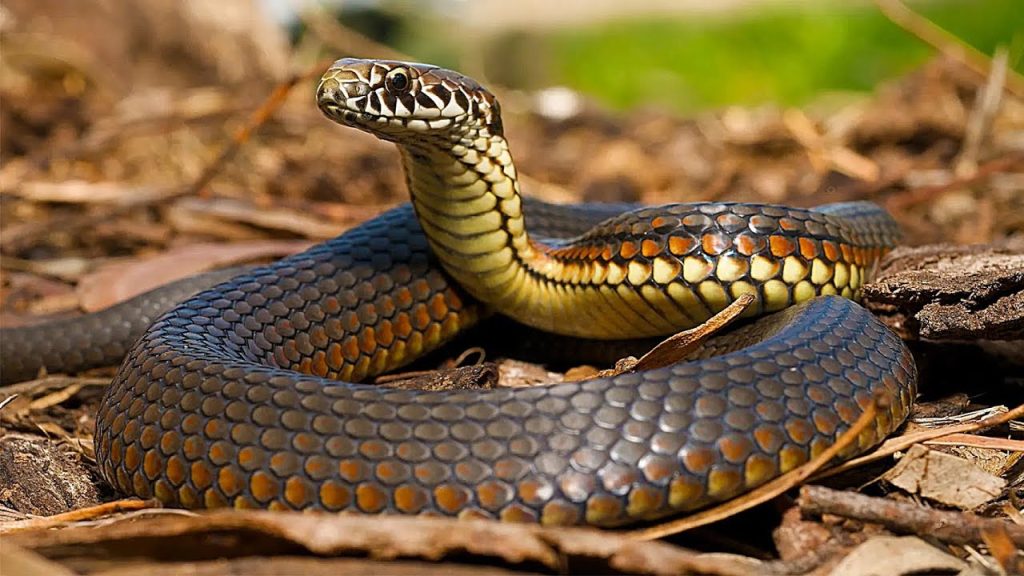
Masters of Adaptation
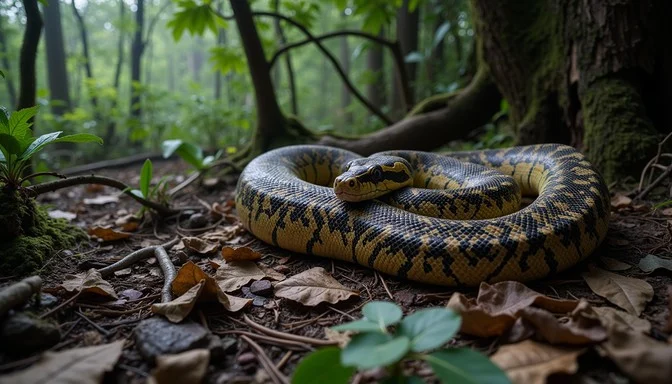
Giant snakes have fascinated humans for centuries. From anacondas to reticulated pythons, their size alone inspires awe — and sometimes fear. Yet beyond their intimidating presence, these reptiles offer profound lessons about adaptation, balance, and survival in the natural world.
Their success over millions of years reveals how evolution favors efficiency over excess.
Survival Through Energy Conservation
One of the most important lessons giant snakes teach us is the power of energy efficiency.
Unlike mammals that require frequent meals, large snakes can survive weeks or even months without eating. They:
- Move only when necessary
- Conserve energy through stillness
- Use ambush instead of pursuit
This strategy highlights a core survival principle in nature: wasting less often matters more than having more.
Adaptability Is the Ultimate Advantage

Giant snakes thrive in a wide range of environments — rainforests, wetlands, grasslands, and even human-altered landscapes.
Their adaptability comes from:
- Flexible diets
- Ability to swim, climb, and camouflage
- Tolerance for environmental change
Nature rewards species that adjust rather than resist, and giant snakes embody that truth.
Patience as a Survival Skill
Patience is one of the most underrated survival traits.
Giant snakes don’t chase prey endlessly. Instead, they wait — sometimes for days — until the right moment arrives. This approach minimizes risk and maximizes success.
In nature, patience often outperforms aggression.
Strength Without Excess Aggression
Despite their size and power, giant snakes are not constant predators.
They use force only when necessary:
- To capture prey
- To defend themselves
- To protect territory
This controlled use of strength teaches a key lesson: true power lies in restraint, not dominance.
The Role of Apex Predators in Balance
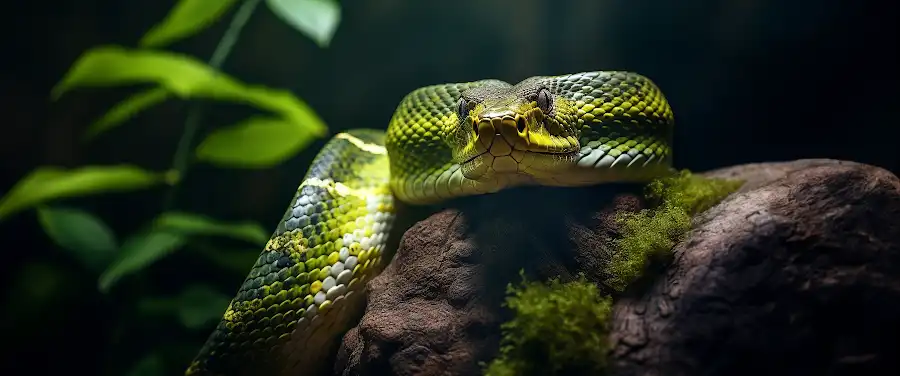
Giant snakes play a critical role in maintaining ecological balance.
By controlling populations of rodents, birds, and other animals, they prevent overpopulation and resource depletion. Their presence keeps ecosystems healthy — even if they are rarely seen.
Nature relies on balance, not popularity.
Camouflage and Awareness
One of the most impressive survival tools of giant snakes is camouflage.
Their ability to blend into surroundings teaches us that:
- Visibility isn’t always strength
- Awareness matters more than speed
- Survival often means going unnoticed
In nature, subtlety can be as powerful as force.
Resilience Through Slow Growth
Giant snakes don’t grow overnight. Their development is slow and steady.
This long-term approach to growth ensures:
- Stronger bodies
- Better survival instincts
- Higher reproductive success
Nature favors sustainability over shortcuts.
Human Fear Versus Natural Reality
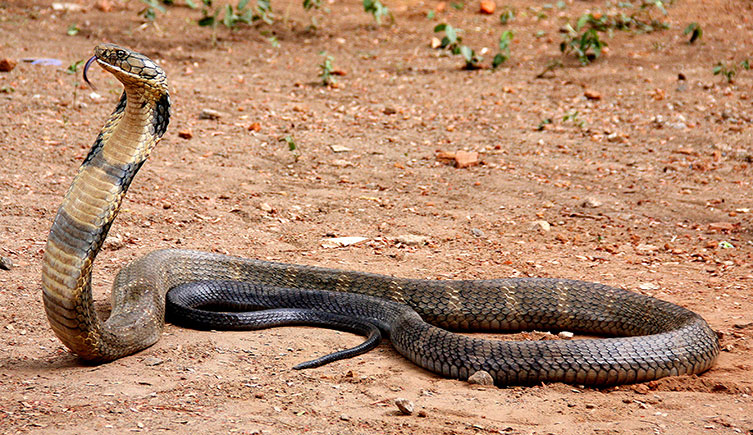
Many people fear giant snakes, yet attacks on humans are rare.
Snakes usually avoid confrontation unless threatened. This reminds us that misunderstanding wildlife often leads to unnecessary fear. Respect and knowledge are better tools than fear.
Lessons for Human Survival
From giant snakes, we learn:
- Efficiency matters
- Adaptability ensures survival
- Patience reduces risk
- Balance sustains ecosystems
These lessons apply beyond nature — they reflect principles that help any species endure.
Final Thoughts
Giant snakes are not symbols of danger — they are symbols of survival.
Their quiet strength, patience, and adaptability show how life persists through balance rather than excess. By observing them, we gain insight into how nature thrives — and how survival is often about knowing when not to act.


