
Why Timing Is the Invisible Force Behind Great Photography
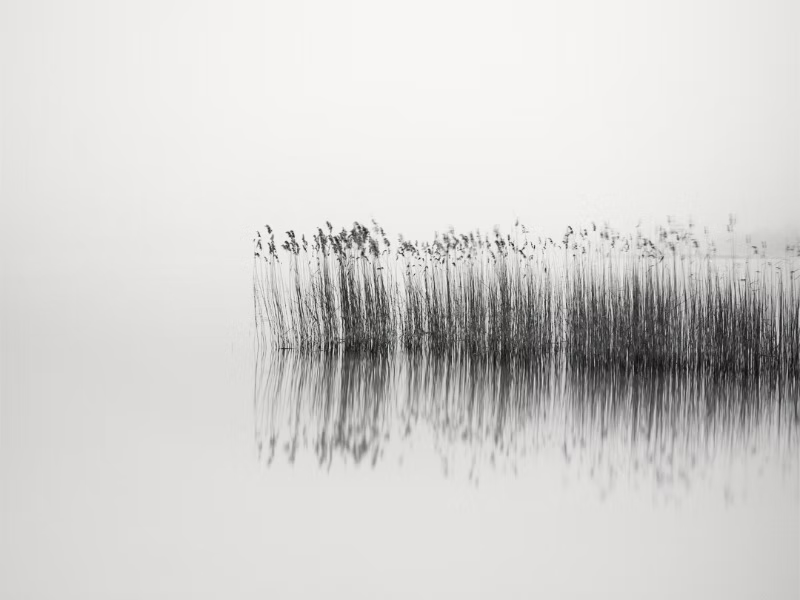
Photography is often described as the art of seeing, but what truly separates a good image from a powerful one is timing. The difference between an ordinary photograph and an unforgettable one is frequently measured in seconds — sometimes fractions of a second.
Timing determines when light aligns, when emotion peaks, and when motion becomes meaningful. In modern imagery, timing is not accidental. It is intentional, observed, and anticipated.
Light Changes Everything in an Instant
Light is never static. It shifts minute by minute, transforming the same scene into entirely different visual stories.
Photographers rely on timing to capture:
- Soft golden-hour warmth
- Dramatic sunset contrasts
- Gentle morning glow
- Moody twilight tones
Modern photography understands that when an image is taken matters as much as what is photographed. A scene shot minutes too early or too late can lose its emotional power completely.
The Decisive Moment in Motion Photography
Timing becomes even more critical when motion is involved.
Whether it’s a runner crossing the finish line, a bird taking flight, or a wave crashing against rocks, the perfect moment exists for only a brief instant. Capturing it requires anticipation rather than reaction.
Great photographers don’t just press the shutter — they predict the moment before it happens.
This idea, often called “the decisive moment,” is foundational to modern imagery because it captures energy, tension, and emotion all at once.
Emotion Peaks in Seconds, Not Minutes
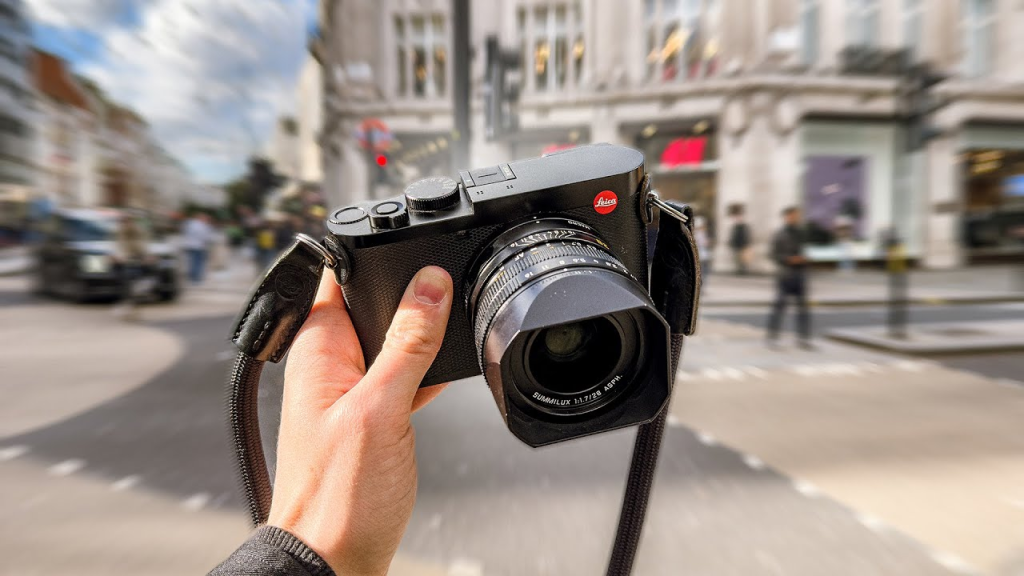
Human emotion is fleeting. A smile fades, laughter erupts, surprise appears — and disappears — almost instantly.
Timing allows photographers to freeze:
- Genuine expressions
- Unscripted interactions
- Authentic human connection
In modern photography, perfectly timed emotional moments feel real because they are real. They aren’t staged. They are discovered.
Street Photography and the Art of Waiting
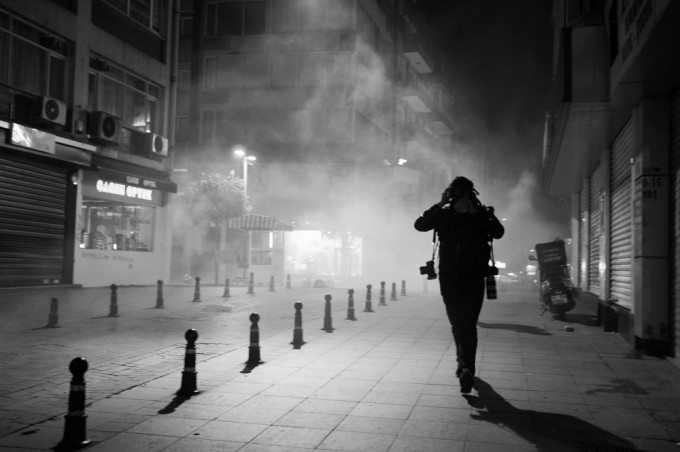
Street photography is one of the purest examples of timing-driven imagery.
Photographers often wait patiently as scenes assemble themselves:
- A subject walks into the frame
- Light aligns with architecture
- Movement completes the composition
Timing transforms chaos into visual harmony. Modern street imagery rewards patience more than equipment, proving that the perfect moment cannot be rushed.
Nature and Wildlife Demand Absolute Precision
In nature photography, timing is everything.
Animals don’t pose. Landscapes change constantly. Weather shifts without warning. The most striking nature images are the result of hours — sometimes days — of waiting for seconds of opportunity.
Perfect timing captures:
- Eye contact with wildlife
- Dynamic movement
- Rare environmental conditions
Modern imagery celebrates these moments because they remind viewers how unpredictable and powerful the natural world is.
Event Photography and Irreplaceable Moments
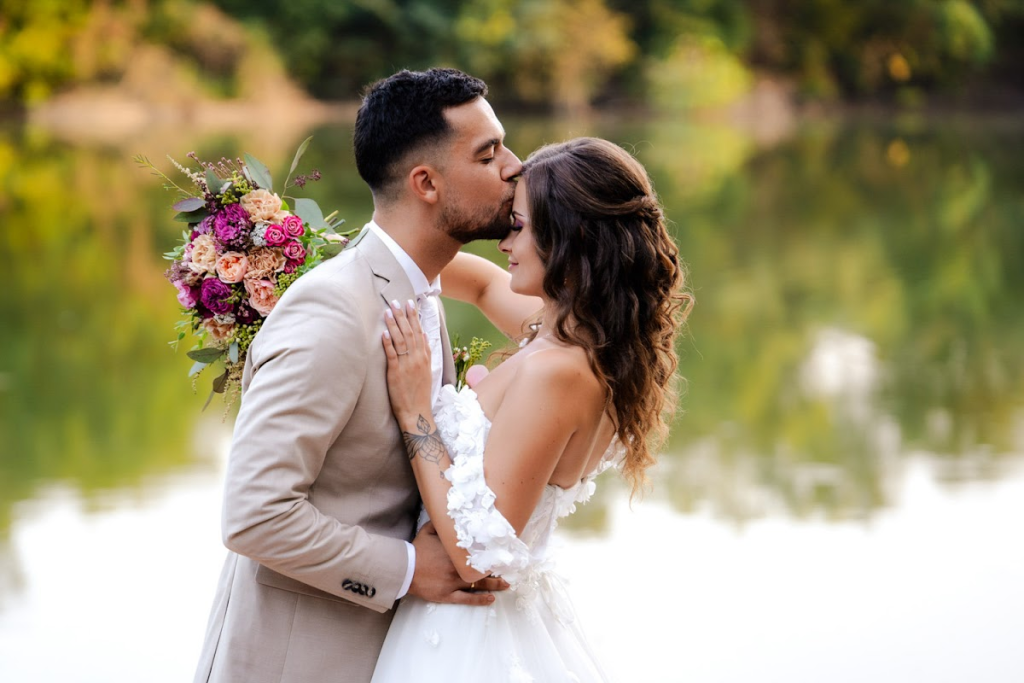
In event photography, timing carries emotional weight.
First looks, reactions, applause, tears — these moments happen once. Miss them, and they’re gone forever.
Professional photographers train their instincts to recognize emotional peaks before they occur. Timing ensures that the image preserves not just how something looked, but how it felt.
How Timing Shapes Visual Storytelling
Timing is essential to storytelling. A photograph taken too early may feel empty. Taken too late, it may lose impact.
Perfect timing allows a single image to:
- Suggest what happened before
- Capture what’s happening now
- Hint at what comes next
This narrative depth is why well-timed photographs feel alive. They invite viewers into the moment instead of merely showing it.
Digital Technology Amplifies the Importance of Timing
High-speed cameras and burst modes give photographers more chances — but they don’t replace timing.
Technology helps capture multiple frames, but choosing the right one still depends on human judgment. Modern photography is not about shooting more; it’s about recognizing which moment matters most.
Timing remains the creative decision that technology cannot automate.
Why Perfect Timing Elevates SEO and Visual Engagement

Online audiences react instantly to images. A perfectly timed photograph:
- Stops scrolling
- Increases engagement
- Holds attention longer
In digital content and monetized articles, well-timed imagery improves dwell time and emotional connection — two key signals in modern SEO performance.
Training the Eye for Perfect Timing
Timing improves with experience.
Photographers learn to:
- Read light
- Anticipate movement
- Sense emotional shifts
Modern imagery rewards those who observe first and shoot second. The best photographs are rarely accidental — they are earned through awareness and patience.
Final Thoughts: Timing Is the Soul of Photography
Timing elevates photography because it transforms moments into memories.
It freezes emotion, captures motion, and preserves stories that exist only once. In a world flooded with images, the photographs that endure are not the loudest or most edited — they are the ones taken at exactly the right moment.
Timing doesn’t just capture the perfect moment.
It creates it.


