
Understanding the Dynamics Behind Modern Furniture Costs
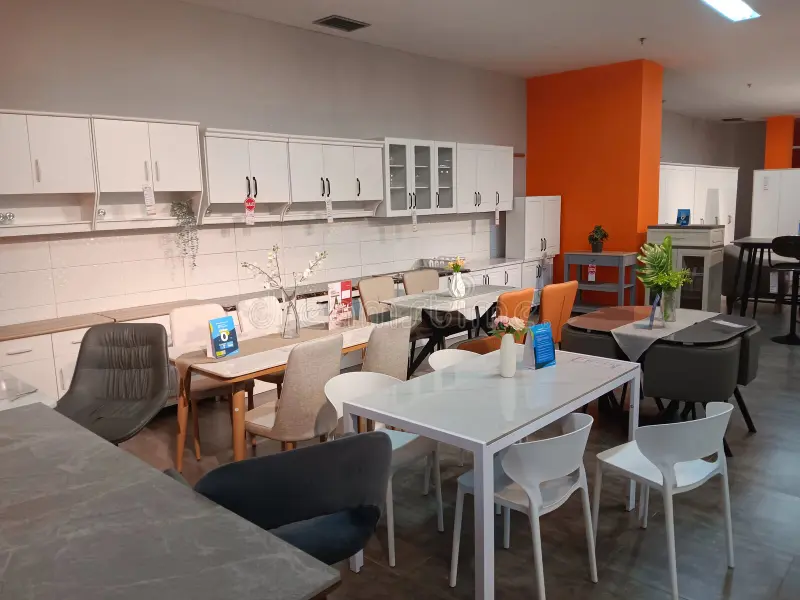
Furniture pricing may seem straightforward at first glance: the tag reflects what you pay. Yet behind every price label lies a complex combination of factors that influence how much a piece costs. From raw materials and manufacturing methods to consumer trends and global supply chains, understanding what drives furniture pricing helps buyers make informed decisions and allows businesses to position products effectively.
This article explores the key factors that influence furniture pricing today, how these variables interact, and what consumers should consider before making a purchase.
Raw Material Costs
The foundation of furniture pricing lies in the materials used to create each piece. Wood, metal, upholstery fabrics, foams, glass, and hardware all vary significantly in price depending on quality, availability, and sourcing.
Wood and Timber
Solid hardwoods such as oak, walnut, and teak are priced higher than softwoods or engineered woods due to durability, visual appeal, and limited supply. Imported or exotic woods often add additional cost because of transportation requirements and regulatory compliance.
Metals and Hardware
Steel, aluminum, brass, and specialty alloys fluctuate in price based on global commodity markets. High-quality hardware and structural metal components increase durability but also raise production costs.
Upholstery and Fillings
Natural materials like leather, wool, and cotton typically cost more than synthetic fabrics. Premium foam, cushioning, and padding enhance comfort and longevity, contributing to higher overall pricing.
Manufacturing and Labor Costs

How furniture is made plays a significant role in its final price. Production methods, labor expertise, and factory efficiency all factor into cost structures.
Furniture crafted by skilled artisans or involving detailed joinery and hand-finishing requires more time and expertise, leading to higher prices. In contrast, mass-produced furniture benefits from automation and efficiency but may sacrifice customization or craftsmanship.
Regional labor costs also matter. Furniture produced in regions with higher wages often commands premium pricing, while lower labor-cost regions may offer more affordable alternatives.
Design, Branding, and Production Scale
Design and brand influence pricing just as much as materials and labor. Furniture associated with well-known designers or established brands often carries higher prices due to perceived value, exclusivity, and reputation.
Original designs, limited editions, or patented features differentiate products from mass-market offerings and justify premium pricing. In addition, production scale affects cost: large-scale manufacturers can reduce per-unit cost, while boutique or limited-run collections tend to be more expensive.
Sustainability, Sourcing, and Certification

Sustainability has become a major consideration in modern furniture pricing. Environmentally responsible sourcing, recycled materials, and low-emission finishes often cost more due to certification, compliance, and oversight.
Certifications such as FSC or Greenguard add credibility and value but increase production expenses. Consumers increasingly view these features as worth the investment, especially when aligned with long-term environmental values.
Transportation, Logistics, and Market Demand
Global supply chains play a critical role in furniture pricing. Shipping costs, fuel prices, tariffs, and customs fees all affect final retail prices, especially for imported furniture.
Market demand also influences cost. Trending styles, seasonal demand, and shifting consumer preferences can drive prices higher when demand exceeds supply. Retailers adjust pricing based on market conditions, inventory levels, and consumer willingness to pay.
Retail Strategy, Customization, and Added Value
Retailers determine pricing based on cost, markup strategy, and brand positioning. High-end retailers often charge more to support showroom experiences, customer service, and extended warranties.
Customization options—such as selecting fabrics, finishes, or dimensions—add value but also increase cost due to specialized production and planning. Durable construction, extended warranties, and after-sales support further justify higher price points.
Technology, Urban Living, and Modern Expectations
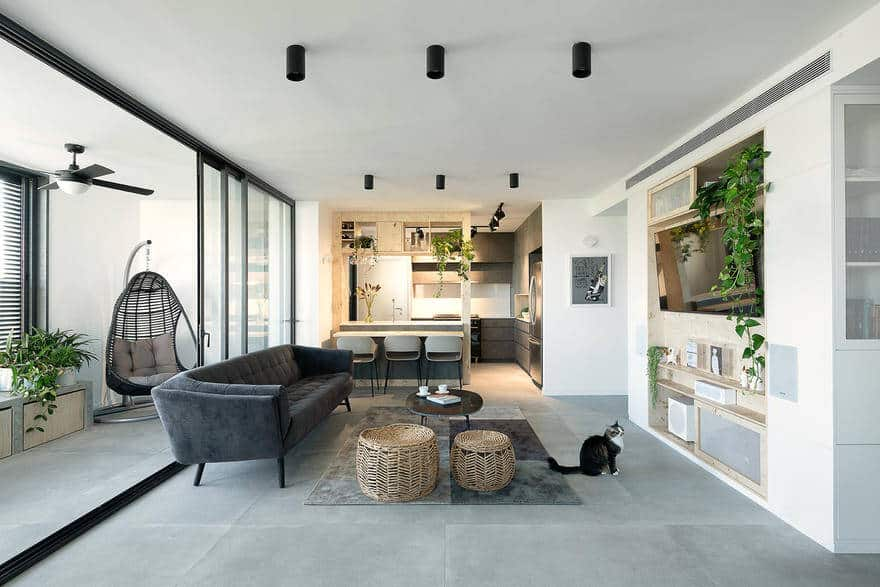
Modern furniture increasingly integrates technology and multifunctional design. Built-in charging ports, adjustable ergonomics, modular layouts, and space-saving solutions cater to urban lifestyles but require advanced engineering and materials.
Furniture designed for compact living or multi-use functionality often costs more because it solves complex space and usability challenges.
How Buyers Can Navigate Furniture Pricing
Understanding what influences pricing helps consumers move beyond surface-level comparisons. Instead of focusing solely on cost, buyers benefit from evaluating:
- Material quality and construction
- Durability and warranty coverage
- Design relevance and functionality
- Long-term comfort and usability
A higher upfront price may deliver greater value through longevity, comfort, and reduced replacement costs.
Final Thoughts
Furniture pricing is the result of many interconnected factors, including materials, labor, design, sustainability, logistics, and market demand. Prices are not arbitrary—they reflect decisions made throughout the production and retail process.
By understanding these dynamics, consumers can shop with confidence, make informed investments, and select furniture that balances cost, quality, and long-term satisfaction. Informed choices lead to spaces that are not only beautiful, but functional and enduring as well.