
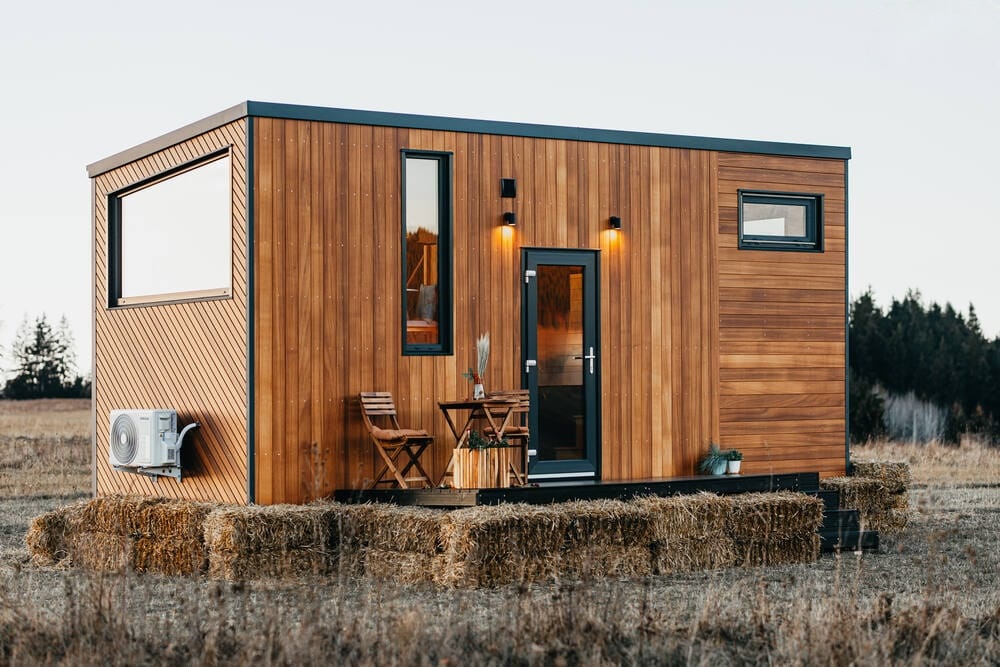
Redefining Affordability, Sustainability, and Design:
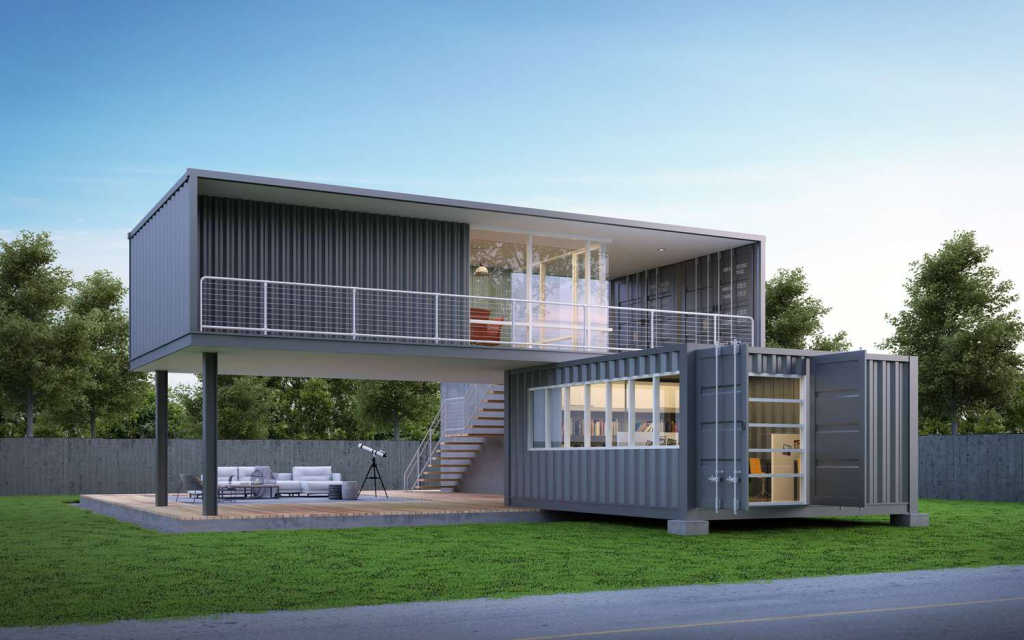
Across the globe, housing markets are undergoing a major transformation. Rising construction costs, shrinking urban space, environmental concerns, and evolving lifestyle priorities are forcing homeowners, developers, and governments to rethink how homes are built. Traditional construction methods, while familiar, are increasingly expensive, slow, and resource-intensive.
In response, alternative housing solutions are gaining traction—and among the most influential are container homes.
Once used solely for transporting goods across oceans, steel shipping containers are now being repurposed into modern, stylish, and highly functional living spaces. What began as an experimental idea has evolved into a legitimate housing movement embraced by architects, sustainability advocates, and cost-conscious homeowners.
This article explores how container homes are redefining affordability, sustainability, and design, why their popularity continues to grow, and what their rise reveals about the future of residential living.
What Are Container Homes?
Container homes are residential structures built using shipping containers as their primary framework. These steel containers are modified, insulated, reinforced, and finished to meet residential building standards.
They can be configured in multiple ways, including:
- Single-container micro homes
- Multi-container family residences
- Modular housing complexes
- Temporary or permanent dwellings
Because shipping containers are manufactured with standardized dimensions, they lend themselves naturally to modular construction, allowing architects and builders to create flexible, scalable designs with greater efficiency.
Why Container Homes Are Gaining Popularity
The growing interest in container homes reflects larger shifts in how people think about housing, ownership, and sustainability.
Several factors are driving this trend:
- Escalating housing prices in urban areas
- Demand for faster, more efficient construction
- Increased focus on environmental responsibility
- Preference for minimalist and flexible living spaces
Container homes address many of these challenges simultaneously. They are no longer viewed as experimental or unconventional; instead, they are increasingly recognized as a practical solution to modern housing constraints.
Affordability and Cost Efficiency
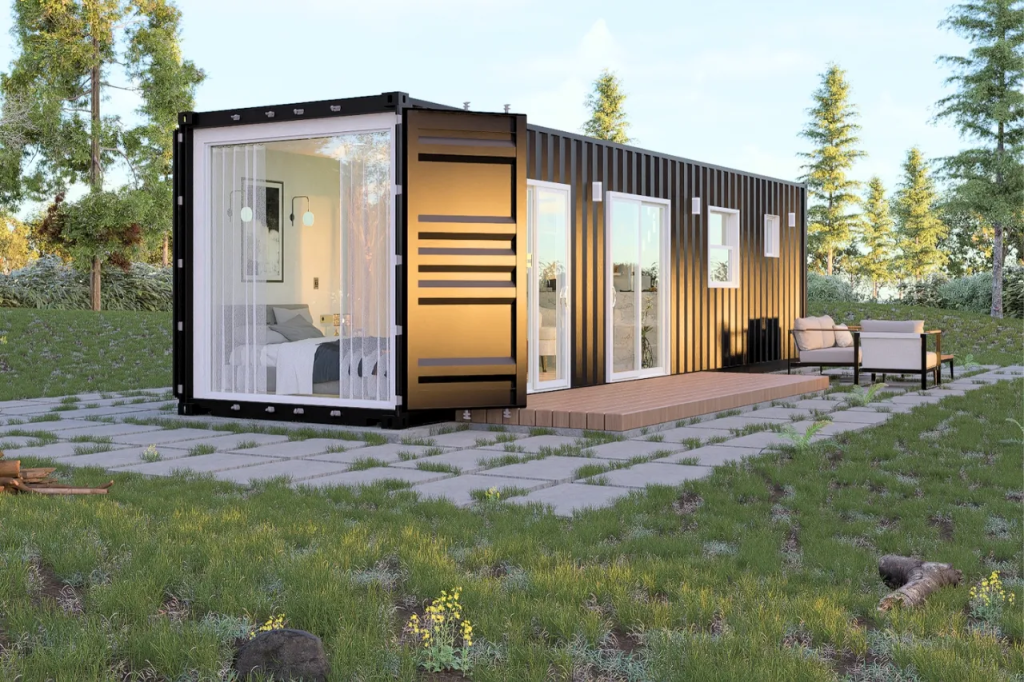
One of the strongest advantages of container homes is their cost efficiency. Unlike traditional homes that require extensive framing and structural materials, shipping containers already provide a durable steel shell.
Key affordability benefits include:
- Reduced structural material costs
- Lower labor requirements
- Shorter construction timelines
- Potential for phased or modular expansion
While total costs depend on design, location, insulation, and interior finishes, container homes often offer a more accessible path to homeownership—particularly for first-time buyers, developers, and those seeking alternative housing options.
Faster Construction Through Modular Design
Traditional home construction can take many months, often delayed by weather, labor shortages, or supply chain disruptions. Container homes benefit from off-site modular construction, where much of the work is completed in controlled environments.
Advantages of modular container construction include:
- Faster build completion
- Improved quality control
- Reduced on-site disruption
- Easier scalability for larger projects
This speed is especially valuable for urban developments, emergency housing, workforce housing, and remote locations where traditional construction is costly or impractical.
Sustainability and Environmental Benefits
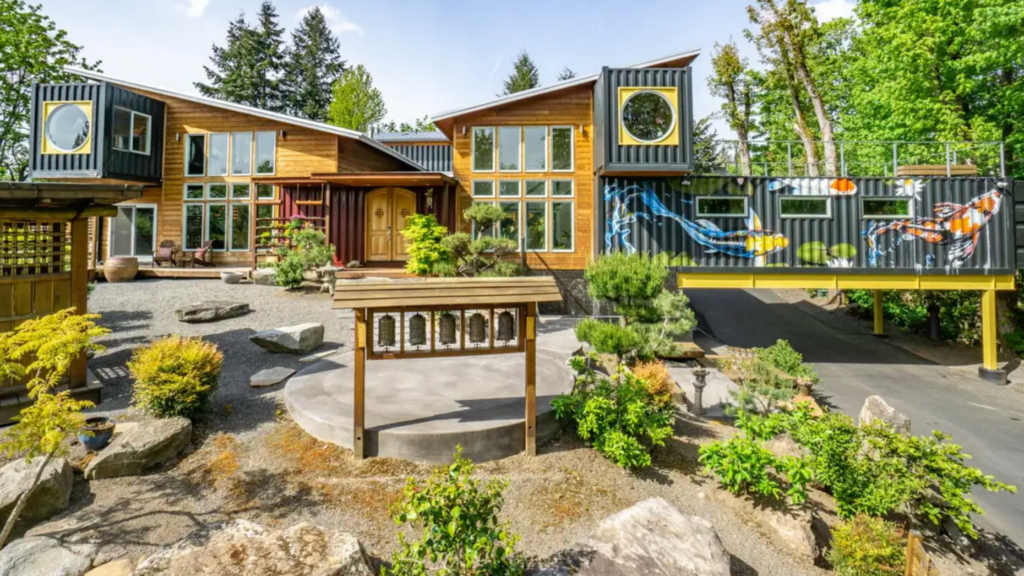
Sustainability is a major reason container homes appeal to modern homeowners. Repurposing steel containers extends their lifecycle and reduces the demand for new construction materials.
Environmental advantages include:
- Recycling existing materials
- Reduced construction waste
- Smaller overall material footprint
- Compatibility with solar panels and green roofs
When combined with energy-efficient insulation, passive design strategies, and renewable energy systems, container homes can significantly reduce environmental impact compared to conventional housing.
Flexible Design and Creative Architecture
Despite their industrial origins, shipping containers offer remarkable design flexibility. Architects can cut, stack, and combine containers to create unique layouts that suit a wide range of lifestyles.
Design possibilities include:
- Open-plan living spaces
- Multi-level and stacked configurations
- Indoor-outdoor transitions with decks and terraces
- Hybrid residential and work-from-home spaces
This adaptability allows container homes to support everything from minimalist living to sophisticated architectural statements.
Urban Infill and Density Solutions
As cities struggle with housing shortages and limited space, container homes offer a practical solution for urban infill development.
They are well suited for:
- Underutilized urban lots
- Backyard accessory dwelling units (ADUs)
- Temporary or transitional housing
- Affordable housing initiatives
Their modular nature allows cities to increase housing density while maintaining flexibility and minimizing long-term disruption.
Supporting Minimalist and Modern Lifestyles
Container homes naturally align with modern values of simplicity, efficiency, and intentional living. Their compact layouts encourage thoughtful use of space and discourage excess.
Residents often appreciate:
- Lower maintenance requirements
- Reduced utility and energy costs
- Efficient storage solutions
- Focus on functionality over excess space
This makes container homes especially attractive to downsizers, remote workers, and sustainability-minded homeowners.
Strength, Durability, and Safety
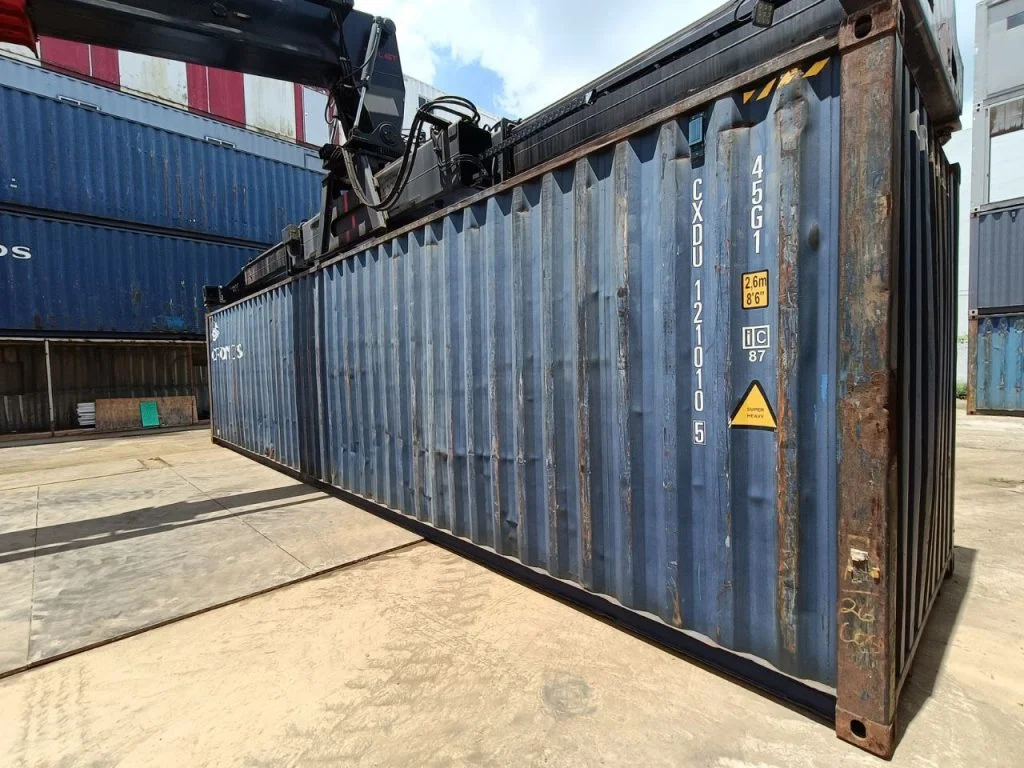
Shipping containers are designed to endure extreme conditions, including heavy loads, saltwater exposure, and long-distance transport. When properly modified, they offer exceptional structural integrity.
Key durability benefits include:
- High load-bearing strength
- Resistance to pests and mold
- Long service life with proper treatment
- Excellent performance in harsh climates
With professional engineering and insulation, container homes can meet or exceed local building and safety codes.
Mobility and Relocation Potential
Some container homes are designed to be relocatable, offering flexibility that traditional homes cannot match. This mobility supports changing lifestyles and evolving housing needs.
Relocation benefits include:
- Seasonal or temporary living
- Remote or off-grid lifestyles
- Disaster recovery housing
- Transitional housing solutions
This flexibility reflects changing attitudes toward permanence and long-term ownership.
Budget Predictability and Cost Control
Unlike traditional builds, container homes often provide more predictable costs. Standardized dimensions and modular planning reduce the risk of unexpected expenses.
Clear budgeting, phased construction, and defined materials allow homeowners and developers to maintain better financial control throughout the project lifecycle.
Challenges and Practical Considerations
While container homes offer many advantages, they also present challenges that require careful planning.
Key considerations include:
- Local zoning and building regulations
- Insulation and temperature control
- Skilled labor for cutting and reinforcement
- Permitting and approvals
Working with experienced designers and contractors is essential to ensure compliance, safety, and long-term comfort.
Container Homes and Affordable Housing Initiatives
Governments and nonprofits increasingly explore container homes as part of affordable housing solutions. Their cost efficiency and rapid deployment make them suitable for addressing housing shortages.
Common applications include:
- Emergency shelters
- Transitional housing
- Workforce housing
- Urban redevelopment projects
Container homes are becoming an important tool in conversations about housing accessibility and equity.
Smart Home Integration and Modern Living
Modern container homes often integrate smart home technology to enhance comfort and efficiency.
Popular features include:
- Energy-efficient climate systems
- Smart lighting and security
- Remote monitoring and automation
- Space-optimized appliances
These technologies allow container homes to deliver modern convenience without increasing physical footprint.
Changing Perceptions and Market Acceptance
Public perception of container homes has evolved significantly. What was once considered unconventional is now celebrated for innovation, sustainability, and design potential.
High-quality projects, thoughtful architecture, and media exposure have helped container homes gain mainstream acceptance among buyers, renters, and investors.
Investment and Rental Opportunities
Container homes are also reshaping rental and investment markets. Their affordability and distinctive appeal make them attractive for:
- Short-term vacation rentals
- Student housing
- Eco-resorts and glamping sites
- Mixed-use developments
When well-designed and strategically located, container homes can generate strong demand and competitive returns.
The Future of Container Homes
As construction technology advances and housing needs continue to evolve, container homes are likely to play an expanding role in residential development.
Innovations in insulation, modular systems, and sustainable materials will further improve comfort, efficiency, and scalability. While container homes are not a universal solution, they represent a powerful addition to modern housing strategies.
Final Thoughts
Container homes are redefining modern housing by offering a flexible, affordable, and sustainable alternative to traditional construction. Their adaptability to urban density, environmental goals, and changing lifestyles positions them as a meaningful response to today’s housing challenges.
As innovation continues and acceptance grows, container homes are set to remain an influential part of the future housing landscape—where smart design, efficiency, and sustainability come together.


