
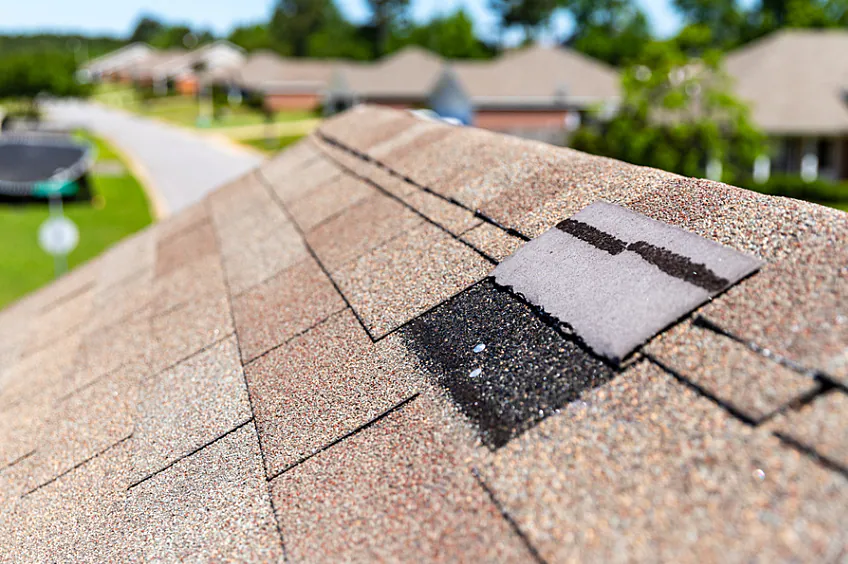
A strong, reliable roof is essential for protecting a home, yet roofing repairs and replacements are among the most expensive maintenance costs homeowners face. When a roof begins to leak, sag, or fail, delays can lead to structural damage, mold growth, and higher long-term expenses.
For many homeowners, especially those on fixed or limited incomes, the cost of roofing work can feel overwhelming. This is where roofing assistance programs can make a meaningful difference. These programs are designed to help eligible homeowners repair or replace roofs, improve safety, and preserve housing stability.
This guide explains how roofing assistance programs help homeowners, who may qualify, what types of support are available, and how these programs reduce financial stress.
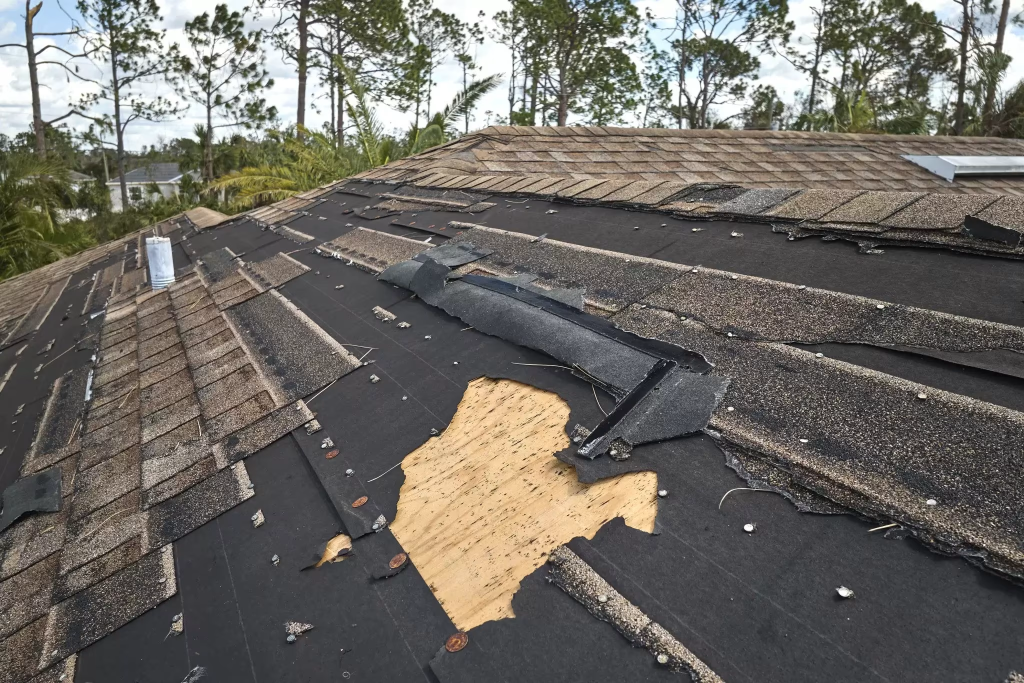
Why Roofing Repairs Are Often Delayed
Roofing problems rarely start as emergencies. Small issues like cracked shingles or minor leaks can be easy to ignore until damage becomes severe.
Homeowners often delay repairs because:
- Roofing costs are high
- Damage is not immediately visible
- Insurance coverage is unclear
- Savings are limited
- Contractors require upfront payment
Unfortunately, postponing repairs can significantly increase costs and reduce a home’s safety and value.
What Roofing Assistance Programs Are
Roofing assistance programs are financial or service-based initiatives designed to help homeowners address roof-related issues. These programs may be funded by government agencies, nonprofit organizations, or housing support initiatives.
Their goals typically include:
- Preventing unsafe living conditions
- Preserving affordable housing
- Supporting vulnerable populations
- Reducing emergency housing displacement
Assistance can range from partial funding to full roof replacement, depending on eligibility and need.
Types Of Roofing Assistance Available
Roofing assistance programs vary by location, but they generally fall into several categories.
Grants For Roof Repair Or Replacement
Grants are one of the most valuable forms of roofing assistance because they do not need to be repaid.
Grant programs may cover:
- Emergency roof repairs
- Full roof replacement
- Structural reinforcement
- Weatherproofing improvements
These programs are often income-based and prioritize households with seniors, people with disabilities, or families with children.
Low-Interest Or Deferred Loans
Some programs offer loans specifically for home repairs, including roofing work.
These loans may feature:
- Low or no interest rates
- Deferred payments
- Forgiveness after a certain period
- Flexible repayment terms
For homeowners who do not qualify for grants, these loans can make roofing projects more manageable.
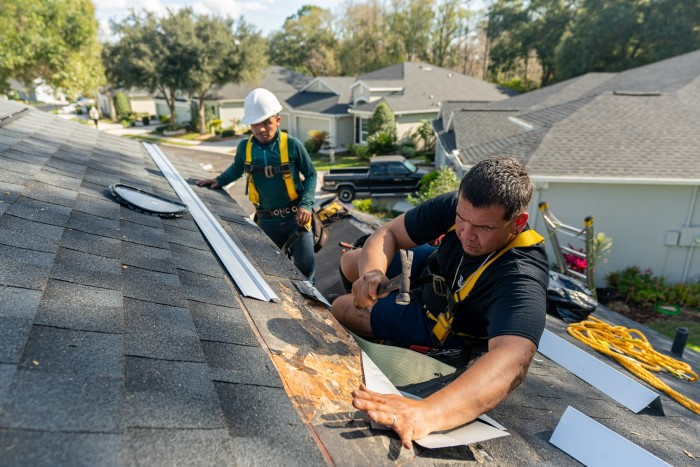
Emergency Roofing Assistance
After storms, natural disasters, or sudden roof failure, emergency programs may become available.
Emergency assistance may include:
- Temporary roof tarping
- Immediate leak repairs
- Hazard mitigation
- Fast-tracked applications
These programs aim to stabilize homes quickly and prevent further damage while long-term solutions are arranged.
Weatherization And Energy Efficiency Programs
Some roofing assistance is tied to energy efficiency and weatherization initiatives.
These programs may help:
- Replace damaged roofs during insulation upgrades
- Improve ventilation and moisture control
- Reduce heating and cooling costs
- Increase overall home durability
Energy-focused programs often provide roofing support as part of broader home improvement efforts.
Who Typically Qualifies For Roofing Assistance
Eligibility varies, but many programs prioritize homeowners who face financial or physical challenges.
Common eligibility factors include:
- Household income limits
- Age or disability status
- Veteran status
- Location in designated areas
- Condition of the existing roof
Proof of ownership and residency is usually required.

How Roofing Assistance Protects Homeowners
Roofing assistance programs provide more than financial help. They protect homeowners in several important ways.
They help by:
- Preventing water damage and mold
- Maintaining safe living conditions
- Preserving home value
- Reducing long-term repair costs
- Preventing displacement or foreclosure
For many households, these programs help keep homes livable and secure.
The Impact On Long-Term Housing Stability
A failing roof can make a home uninhabitable, triggering a chain reaction of financial and housing instability.
Roofing assistance supports:
- Aging in place for seniors
- Stable housing for families
- Reduced reliance on emergency shelters
- Community housing preservation
By addressing roof issues early, assistance programs help avoid larger housing crises.
How To Apply For Roofing Assistance
While the process varies, most applications follow similar steps.
Homeowners typically need to:
- Identify available programs in their area
- Confirm eligibility requirements
- Submit income and ownership documentation
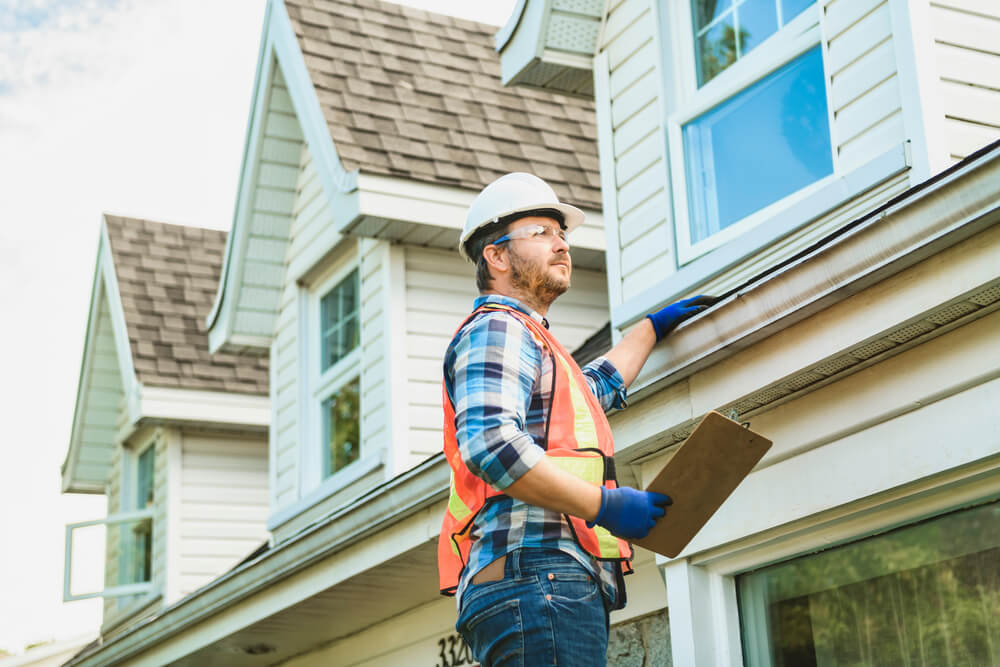
- Provide proof of roof condition or inspection
- Work with approved contractors
Some programs have waiting lists, so applying early is important.
Common Documents Required
Applicants are often asked to provide:
- Proof of home ownership
- Identification
- Income verification
- Recent utility bills
- Photos or inspection reports of roof damage
Having these documents ready can speed up the approval process.
Misconceptions About Roofing Assistance Programs
Many homeowners assume assistance programs are difficult to access or unavailable.
Common misconceptions include:
- Only extreme emergencies qualify
- Assistance is only for renters
- The application process is too complex
- Funding is unavailable in most areas
In reality, many programs go underused due to lack of awareness.
Why Roofing Assistance Matters More Today
Rising material costs and labor shortages have made roofing work more expensive than ever. At the same time, many homeowners are aging in place or living on fixed incomes.
Roofing assistance programs help bridge this gap by:
- Making essential repairs possible
- Preventing unsafe conditions
- Supporting housing affordability
- Strengthening community resilience
These programs play a critical role in maintaining safe, stable housing.
When Roofing Assistance May Not Be Enough
In some cases, assistance programs may not fully cover roofing costs.
Homeowners may need to:
- Combine multiple programs
- Contribute partial funding
- Work with approved contractors only
- Wait for program availability
Understanding program limits helps set realistic expectations.
Final Thoughts
Roofing assistance programs help homeowners protect one of their most important investments. By offering financial support, emergency repairs, and long-term solutions, these programs reduce stress, prevent serious damage, and promote housing stability.
Knowing how roofing assistance programs help homeowners allows individuals to take action before roof problems become emergencies. Exploring available resources early can make the difference between a manageable repair and a costly crisis.


