
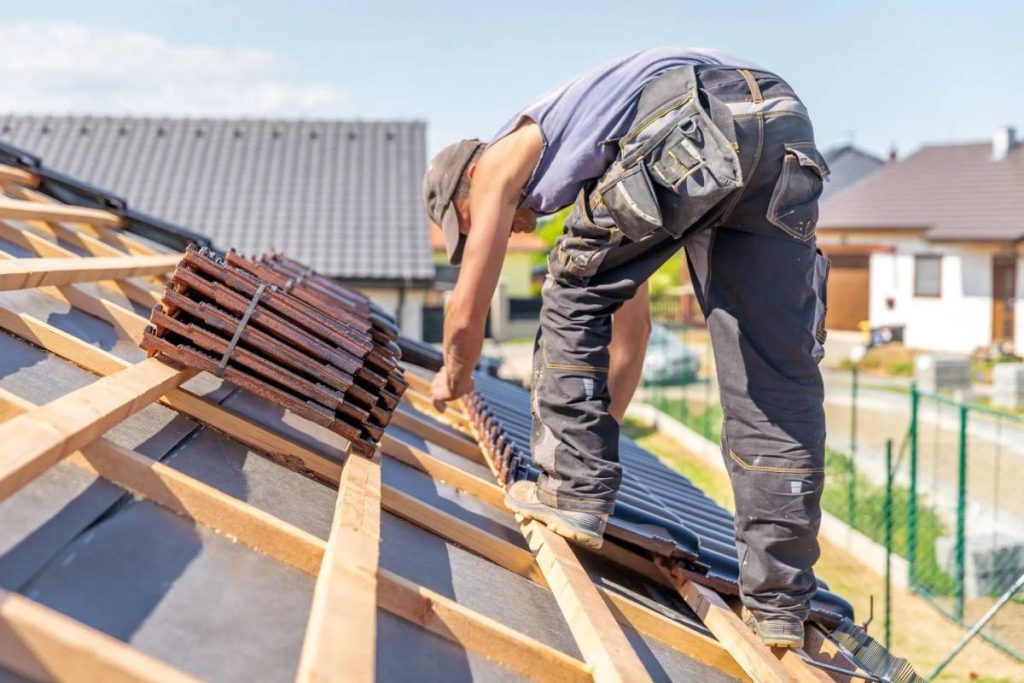
Why Roofing Repairs Are So Expensive for Homeowners
A roof is one of the most critical components of any home. It protects against weather, regulates indoor temperature, and prevents structural damage. When a roof begins to fail, the consequences can escalate quickly — leading to leaks, mold, insulation damage, and even structural issues.
Roof repairs and replacements are also among the most expensive home maintenance projects. Many homeowners delay necessary work because of cost, only to face larger, more expensive problems later.
Roofing replacement programs exist to address this challenge. By offering financial assistance, cost-sharing, or alternative funding options, these programs help homeowners replace aging or damaged roofs before small issues become major repairs.
What Roofing Replacement Programs Are
Roofing replacement programs are initiatives designed to help homeowners reduce the cost of roof repair or full replacement.
These programs may provide:
- Partial or full financial assistance
- Grants or subsidies
- Low-interest or deferred-payment options
- Insurance-supported replacements
- Community or nonprofit-based aid
The goal is to make roof replacement more affordable while improving home safety and durability.
Who Roofing Replacement Programs Are Designed to Help
These programs often target homeowners who face financial or structural barriers to completing roof repairs.
They commonly support:
- Low- and moderate-income homeowners
- Seniors on fixed incomes
- Homeowners in disaster-prone areas
- Families living in older homes
- Individuals facing sudden roof damage
By focusing on prevention and stability, roofing programs help keep homes safe and habitable.
The True Cost of Delaying Roof Replacement
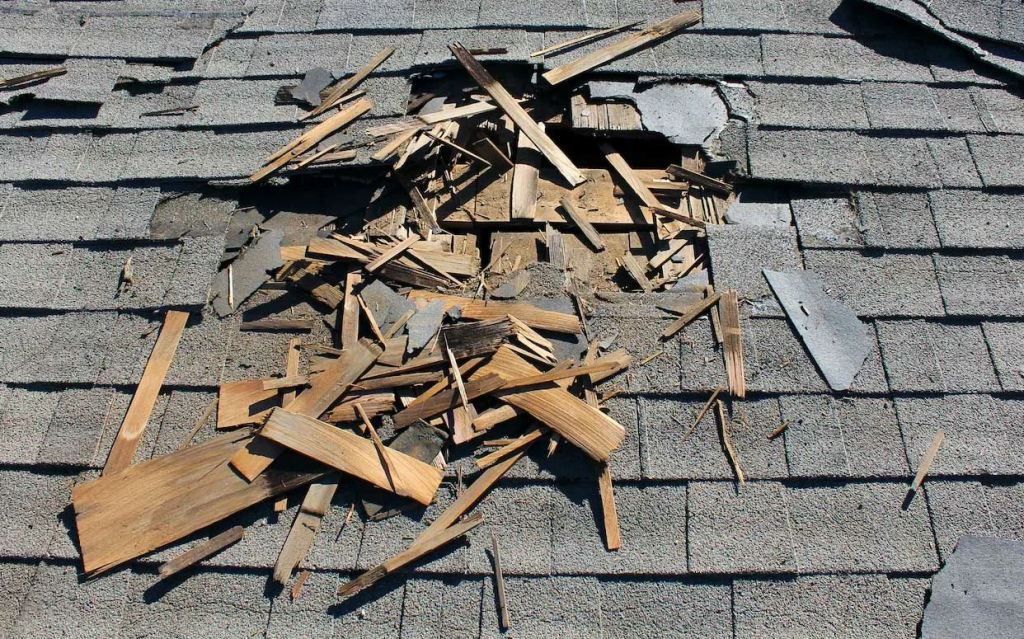
Postponing roof repairs may seem like a way to save money, but it often increases long-term costs.
Delays can lead to:
- Interior water damage
- Mold remediation expenses
- Insulation replacement
- Structural repairs
- Higher insurance premiums
Roofing replacement programs reduce repair costs by addressing issues early, before secondary damage multiplies expenses.
How Roofing Replacement Programs Lower Costs
Roofing programs reduce costs through several mechanisms.
Financial Assistance and Subsidies
Many programs cover a portion of replacement costs, lowering the homeowner’s out-of-pocket expense.
Bulk Contracting and Partnerships
Programs often work with approved contractors at negotiated rates, reducing labor and material costs.
Preventive Replacement
Replacing a roof before catastrophic failure avoids extensive interior repairs and emergency labor charges.
These combined strategies significantly reduce the total cost of ownership over time.
Grants vs Loans in Roofing Programs
Roofing replacement programs may offer different forms of financial support.
Grant-Based Programs
- Do not require repayment
- Often income-based
- Used for essential roof replacement
Loan or Deferred Payment Programs
- Offer low or no interest
- Spread costs over time
- Reduce immediate financial burden
Understanding the structure of assistance helps homeowners choose the most affordable option.
Insurance-Related Roofing Assistance
Some roofing replacement programs coordinate with insurance coverage.
These may help:
- Cover deductible gaps
- Navigate claim documentation
- Replace storm-damaged roofs efficiently
By working alongside insurance claims, programs reduce delays and ensure repairs are completed correctly the first time.
Reducing Emergency Repair Costs
Emergency roof repairs are significantly more expensive than planned replacements.
Emergency situations often involve:
- Immediate labor premiums
- Temporary fixes
- Limited contractor availability
- Additional property damage
Roofing replacement programs emphasize proactive replacement, helping homeowners avoid emergency scenarios altogether.
Improving Energy Efficiency and Long-Term Savings
A new roof can improve energy efficiency.
Modern roofing materials:
- Provide better insulation
- Reflect heat more effectively
- Reduce heating and cooling costs
Some programs support energy-efficient roofing upgrades, delivering ongoing savings that offset replacement costs over time.
Roofing Programs and Home Value Protection
A deteriorating roof lowers property value and can complicate home sales or refinancing.
Roofing replacement programs help:
- Preserve property value
- Improve curb appeal
- Meet lender and insurance requirements
This protection prevents financial loss beyond repair expenses alone.
Eligibility Requirements Explained
Eligibility varies by program, but common criteria include:
- Household income limits
- Primary residence requirements
- Proof of roof condition
- Homeownership verification
Some programs also prioritize homes with health or safety risks related to roof damage.
The Application Process for Roofing Assistance
Applying for a roofing replacement program usually follows a structured process.
Typical steps include:
- Submitting an application
- Providing income and ownership documentation
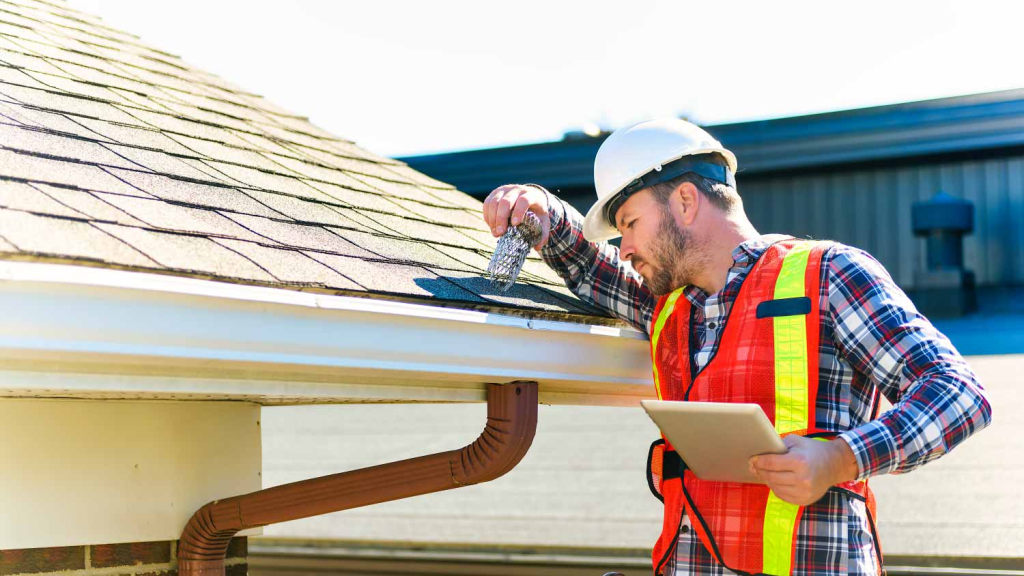
- Roof inspection or assessment
- Approval and contractor assignment
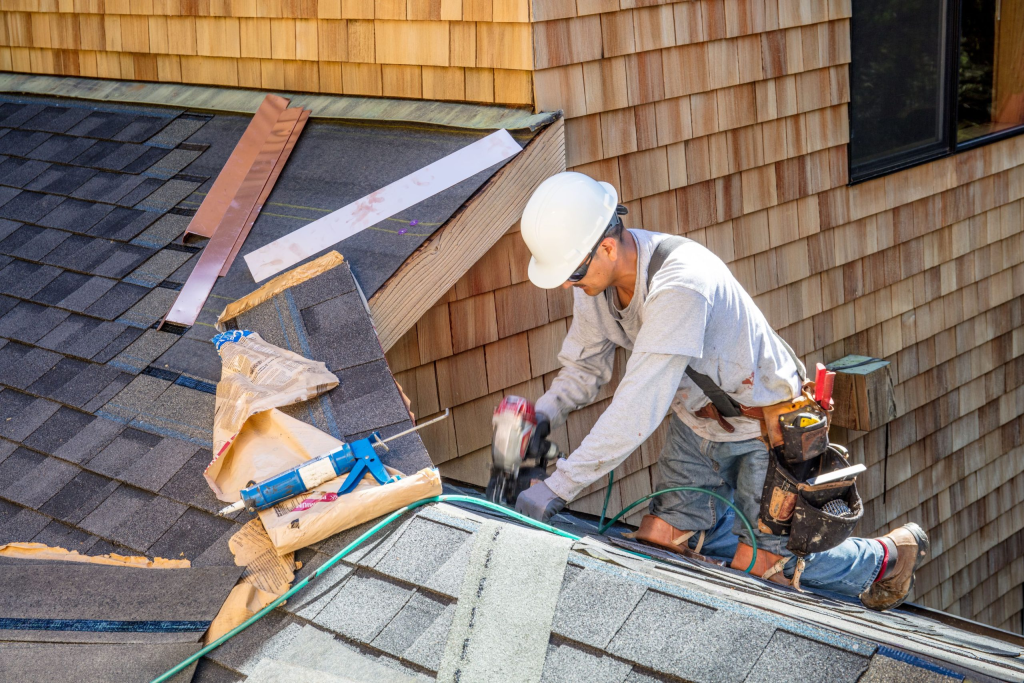
- Completion of replacement work
Many programs guide homeowners through each step to reduce confusion.
Why Contractor Oversight Matters
Roofing replacement programs often require approved contractors.
This ensures:
- Proper licensing and insurance
- Quality workmanship
- Compliance with building codes
- Reduced risk of future repairs
Oversight helps homeowners avoid costly mistakes and substandard repairs.
Community and Nonprofit Roofing Programs
Many roofing assistance programs are operated by nonprofits or community organizations.
These programs often:
- Focus on vulnerable populations
- Partner with local contractors
- Provide education on home maintenance
- Offer additional housing support resources
Community-based programs play a key role in affordable housing preservation.
Disaster Recovery and Emergency Roofing Programs
After severe weather events, special roofing programs may be activated.
These programs:
- Address storm or disaster-related damage
- Prevent long-term displacement
- Reduce rebuilding costs
- Restore safe living conditions quickly
Early intervention through these programs reduces overall recovery expenses.
Common Misconceptions About Roofing Assistance Programs
Myth: Roofing programs only help after disasters
Reality: Many focus on preventive replacement.
Myth: Only low-income households qualify
Reality: Some programs support moderate-income homeowners.
Myth: Assistance covers only minor repairs
Reality: Many programs fund full replacements.
Understanding eligibility encourages more homeowners to seek help early.
Combining Roofing Programs With Other Home Assistance
Roofing replacement programs often work alongside other home improvement initiatives.
These may include:
- Energy efficiency upgrades
- Weatherization programs
- Structural repair assistance
Bundling improvements further reduces long-term maintenance costs.
Long-Term Financial Impact of Roof Replacement Assistance
The benefits of roofing replacement programs extend beyond immediate savings.
Long-term advantages include:
- Fewer emergency repairs
- Lower insurance claims
- Reduced maintenance expenses
- Improved home durability
Preventive investment consistently costs less than reactive repair.
Planning for Future Roof Maintenance
After replacement, homeowners are encouraged to:
- Schedule regular inspections
- Address minor issues promptly
- Maintain gutters and drainage
- Budget for long-term upkeep
Programs often include maintenance education to protect the investment.
Why Awareness of Roofing Replacement Programs Matters
Many homeowners delay roof repairs simply because they believe help isn’t available.
Increased awareness:
- Prevents avoidable home damage
- Reduces repair-related debt
- Improves housing stability
- Strengthens communities
Access to information is often the first step toward cost savings.
Final Thoughts
Roofing replacement programs reduce repair costs by making proactive, high-quality roof replacement more accessible and affordable. Through financial assistance, contractor oversight, insurance coordination, and preventive strategies, these programs help homeowners avoid the escalating expenses that come from delayed repairs.
A roof is not just a home feature — it’s a critical protective system. Roofing replacement programs ensure that cost does not become a barrier to safety, stability, and long-term savings.
By addressing roofing issues early and strategically, homeowners protect both their property and their financial future.


