
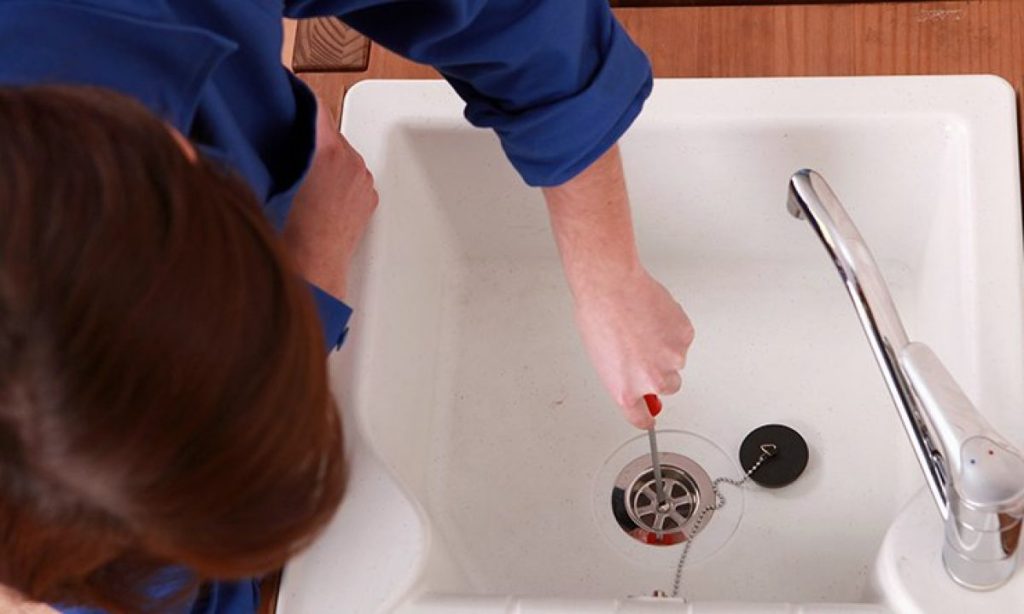
A Practical Guide to Protecting Your Plumbing and Avoiding Costly Repairs
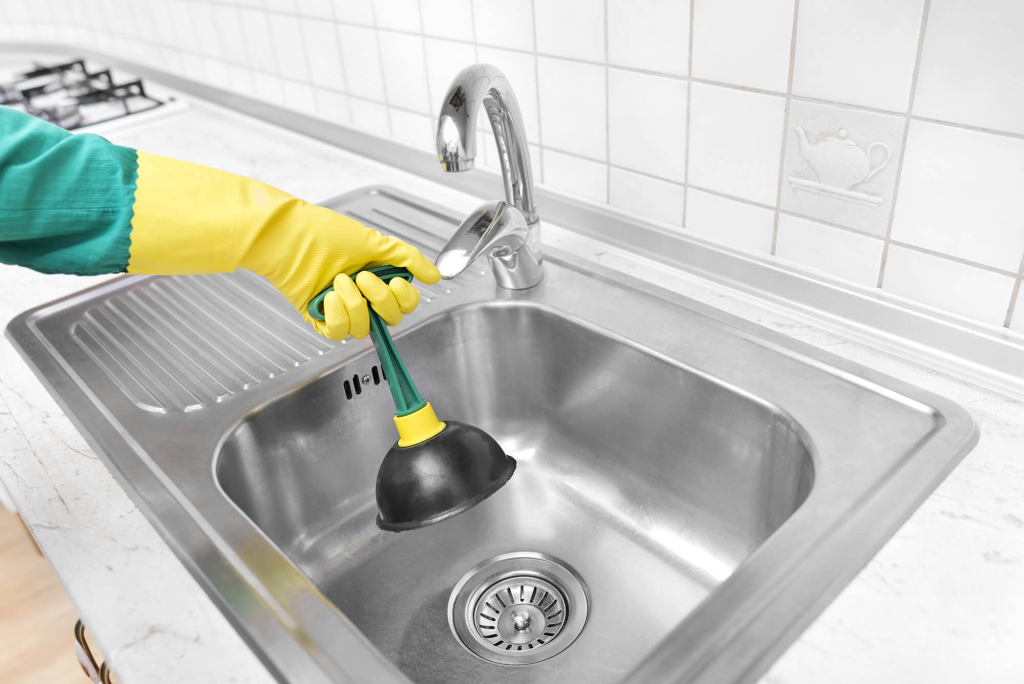
Drain problems are among the most common and costly household plumbing issues. What often begins as slow drainage or a faint unpleasant odor can quietly escalate into recurring clogs, pipe damage, water backups, and expensive emergency repairs. For homeowners, renters, landlords, and property managers alike, neglected drains can quickly become a major source of stress and financial loss.
The good news is that most drain problems are preventable. Regular drain cleaning is one of the simplest, most effective, and most affordable ways to protect your plumbing system. When done consistently, it helps maintain proper water flow, reduces buildup, and prevents small issues from turning into major repairs.
This practical guide explains how regular drain cleaning helps prevent common drain problems, what causes blockages and buildup, and how consistent maintenance protects your plumbing system over the long term.
Why Drains Are Vulnerable to Problems
Drains are designed to move water and waste efficiently out of your home. However, everyday use introduces materials that pipes were never meant to handle in large or repeated quantities.
Common contributors to drain problems include:
- Grease, oil, and fats
- Soap residue and detergent buildup
- Food particles
- Hair and personal care products
- Mineral deposits from hard water
Over time, these substances cling to pipe walls. As layers accumulate, the internal diameter of the pipe narrows, slowing water flow and increasing pressure within the system. Without routine cleaning, this buildup becomes the foundation for clogs, odors, corrosion, and eventual pipe failure.
Regular drain cleaning interrupts this process early, before damage occurs.
Common Drain Problems Homeowners Face
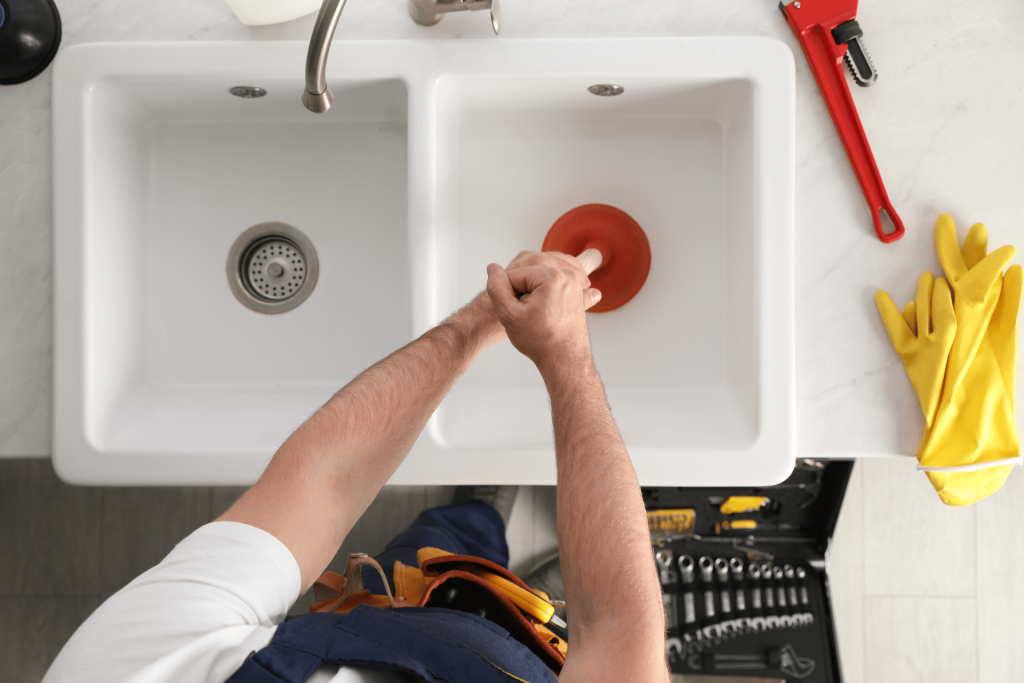
Understanding the most common drain issues highlights why prevention matters more than reactive repairs.
Typical drain problems include:
- Slow-draining sinks, tubs, or showers
- Recurring clogs that return after temporary fixes
- Foul odors coming from drains
- Gurgling or bubbling sounds in pipes
- Water backing up into sinks, tubs, or floor drains
Although these issues appear different on the surface, they usually share the same root cause: internal buildup inside the drain system.
Ignoring early warning signs allows the problem to worsen, increasing repair costs and the risk of water damage.
How Regular Cleaning Prevents Drain Clogs
Drain clogs rarely happen overnight. They form gradually as debris sticks to pipe walls and hardens over time. Hair catches soap residue, grease traps food particles, and mineral deposits bind everything together.
Regular drain cleaning helps prevent clogs by:
- Removing residue before it hardens
- Maintaining full pipe diameter
- Reducing friction inside pipes
- Preventing debris from compacting
Preventive cleaning keeps drains flowing freely and eliminates the conditions that allow clogs to form. This approach is far more effective—and less expensive—than waiting until a drain is completely blocked.
Preventing Grease and Food Buildup in Kitchen Drains
Kitchen drains are especially vulnerable to clogs because they handle grease, oils, and food waste daily. Even small amounts of grease poured down the sink can coat pipe walls, creating a sticky surface that traps debris.
Over time, grease buildup can lead to:
- Persistent slow drainage
- Recurring clogs
- Strong, unpleasant odors
Regular drain cleaning helps break down grease films, flush away food particles, and prevent hardened blockages. When combined with good habits—such as avoiding grease disposal and using sink strainers—routine cleaning significantly reduces kitchen drain problems.
For households that cook frequently or commercial kitchens with heavy use, preventive maintenance is essential.
Reducing Hair and Soap Scum in Bathroom Drains
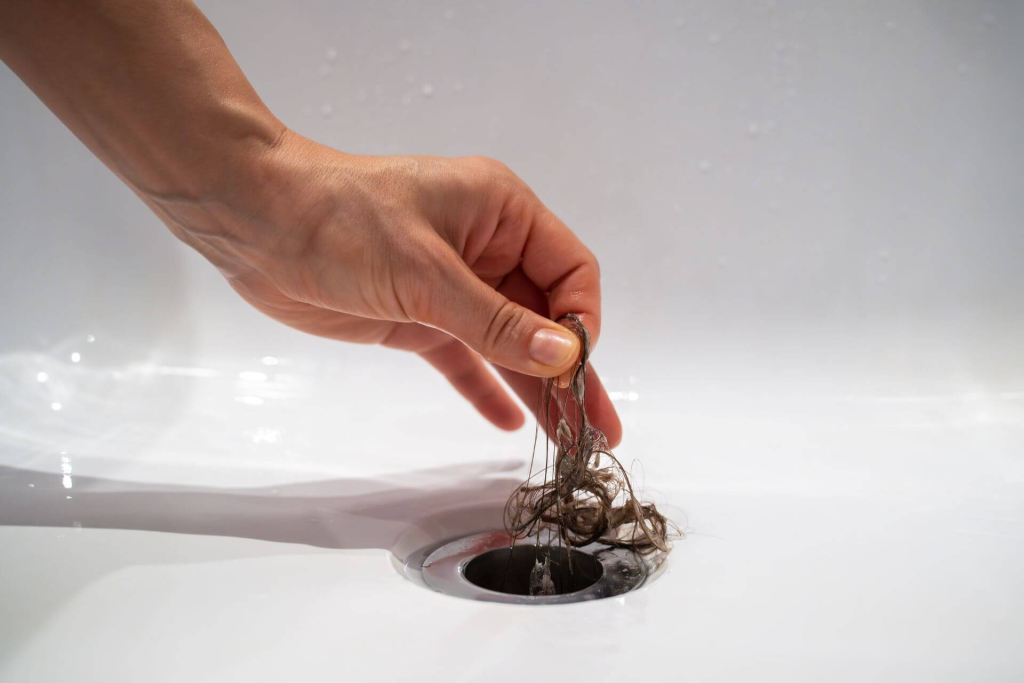
Bathroom drains face a different set of challenges. Hair, soap scum, toothpaste, and personal care products accumulate quickly, especially in showers and bathtubs.
Soap scum forms when soap reacts with minerals in water, creating a sticky residue that traps hair and debris. Over time, this mixture becomes dense and difficult to remove.
Regular cleaning helps:
- Dissolve soap scum before it hardens
- Remove hair accumulation
- Maintain smooth pipe interiors
- Prevent recurring clogs
Consistent maintenance keeps bathroom drains flowing freely and reduces reliance on harsh chemical cleaners.
Preventing Drain Odors Before They Start
Unpleasant drain odors are often caused by decomposing organic material trapped inside pipes. As food particles, hair, and residue break down, they release gases that rise through drains and into living spaces.
Rather than masking odors with air fresheners or chemical cleaners, regular drain cleaning addresses the source by removing odor-causing material early. Clean drains stay fresher and contribute to a healthier indoor environment.
This is especially important in kitchens, bathrooms, rental properties, and commercial spaces where odors can impact comfort and reputation.
Protecting Pipes From Long-Term Damage
Internal buildup does more than restrict water flow—it can also damage pipes over time. Trapped debris holds moisture and chemicals against pipe surfaces, accelerating corrosion and wear.
Without regular cleaning, pipes may develop:
- Internal corrosion
- Cracks or leaks
- Structural weakness from pressure buildup
Routine drain maintenance reduces corrosive exposure, extends pipe lifespan, and lowers the risk of leaks. Preventive care protects not only your plumbing system but also walls, floors, and fixtures from water damage.
Avoiding Emergency Plumbing Situations
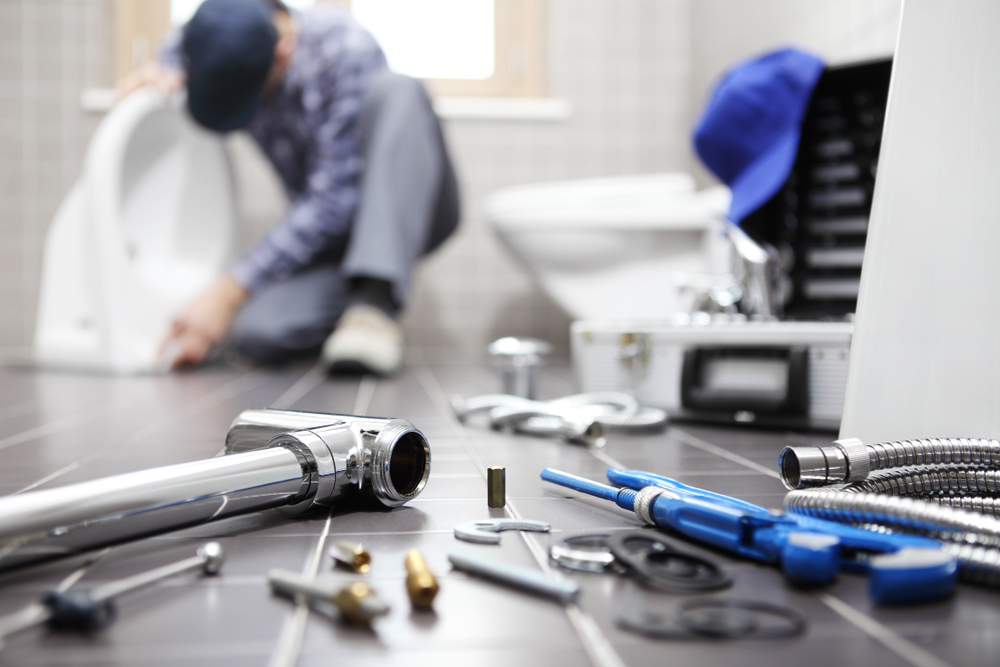
Many emergency plumbing calls are the result of neglected drain maintenance. Sudden clogs can cause water backups, flooding, and damage to flooring, cabinetry, and walls.
Regular drain cleaning reduces the likelihood of emergencies by:
- Identifying minor issues early
- Preventing sudden blockages
- Maintaining consistent system performance
From a cost perspective, preventive maintenance is far more affordable than emergency service calls, which often come with higher fees and urgent repair costs.
Supporting Healthy Plumbing Flow Throughout the System
Drain systems are interconnected. A blockage in one area can affect others, especially in older homes or multi-unit buildings. Slow drainage in one fixture may signal buildup elsewhere in the system.
Consistent cleaning supports balanced flow throughout the plumbing network, reducing pressure on pipes and minimizing stress on fixtures. This system-wide benefit improves reliability and performance.
Simple At-Home Drain Cleaning Practices
Regular drain maintenance doesn’t always require professional intervention. Simple household habits can significantly slow buildup and support long-term performance.
Effective at-home practices include:
- Flushing drains with hot water regularly
- Using drain strainers to catch hair and debris
- Avoiding pouring grease or oil down sinks
- Cleaning stoppers and strainers frequently
These small actions, when done consistently, help prevent larger problems from developing.
The Role of Natural Drain Cleaning Methods
Many homeowners use natural cleaning methods such as baking soda and vinegar for routine maintenance. These solutions can help loosen light buildup and neutralize odors when used periodically.
While natural methods are not a substitute for professional cleaning in severe cases, they are effective for ongoing prevention and gentle maintenance.
When Professional Drain Cleaning Is Beneficial
Despite good habits, some situations require professional drain cleaning. Professional services are especially beneficial when:
- Drains clog frequently
- Odors persist despite regular cleaning
- Multiple drains are slow at the same time
- Pipes are older or heavily used
Professional tools remove hardened buildup and restore full pipe capacity, providing deeper, longer-lasting results.
Preventing Outdoor and Sewer Line Issues
Outdoor drains and sewer lines face additional risks, including debris intrusion and tree root growth. Small cracks or joints can attract roots seeking moisture, leading to major blockages or pipe damage.
Regular inspection and cleaning help detect early signs of intrusion, reducing the risk of costly excavation and sewer repairs.
Seasonal Benefits of Regular Drain Maintenance
Drain problems often worsen during seasonal changes. Cold weather can slow drainage, while heavy rain increases system strain.
Regular cleaning before seasonal shifts helps:
- Prevent winter backups
- Prepare systems for heavy rainfall
- Reduce stress during temperature changes
Seasonal maintenance improves reliability year-round.
Drain Cleaning and Household Hygiene
Clean drains contribute to better household hygiene. By removing organic buildup, regular cleaning reduces bacteria growth and improves indoor air quality.
This is particularly important in kitchens and bathrooms, where cleanliness directly affects health and comfort.
Cost Savings Through Preventive Drain Care
Routine drain cleaning is far more affordable than repairing water damage or replacing pipes. Preventive maintenance:
- Reduces the frequency of repairs
- Minimizes emergency service calls
- Protects fixtures and finishes
Over time, consistent cleaning leads to meaningful financial savings.
Drain Maintenance for Rental and Commercial Properties
For landlords and property managers, proactive drain care reduces tenant complaints, prevents service disruptions, and extends plumbing lifespan.
Regular cleaning protects property value and supports long-term operational efficiency.
Creating a Drain Cleaning Schedule
Consistency is key. Establishing a cleaning schedule ensures maintenance isn’t overlooked.
Many households benefit from:
- Light monthly maintenance
- Seasonal deep cleaning
- Periodic professional inspections
A schedule is more effective than reactive, problem-based cleaning.
Avoiding Harmful Drain Cleaning Products
Some chemical drain cleaners offer temporary relief but can damage pipes when used repeatedly. Over time, harsh chemicals accelerate corrosion and weaken plumbing systems.
Safer maintenance methods preserve pipe integrity while still preventing buildup.
Warning Signs That Require Immediate Attention
Even with regular care, certain signs should never be ignored:
- Water backing up into sinks or tubs
- Persistent foul odors
- Multiple slow drains simultaneously
- Gurgling or bubbling sounds
Addressing these signs early prevents larger, more expensive problems.
Long-Term Benefits of Regular Drain Cleaning
Consistent drain care delivers lasting advantages:
- Reliable plumbing performance
- Reduced maintenance stress
- Lower repair costs
- Cleaner, healthier living spaces
Preventive maintenance is an investment in comfort, safety, and property protection.
Final Thoughts
Regular drain cleaning plays a critical role in preventing common plumbing problems. By removing buildup before it causes clogs, odors, or damage, routine maintenance keeps drains functioning efficiently and reduces the risk of costly repairs.
Whether through simple household habits or periodic professional service, consistent drain cleaning protects your plumbing system, improves hygiene, and ensures smooth operation year-round.
Preventive care today helps avoid plumbing problems tomorrow.


