
Why Workforce Housing Has Become a Critical Issue
Essential workers are the backbone of local economies. They keep hospitals running, schools operating, transportation moving, utilities functioning, and communities safe. Yet many of these workers face a growing challenge: finding housing they can afford near where they work.
As housing costs rise faster than wages in many regions, essential workers are increasingly pushed farther from job centers. Long commutes, housing instability, and financial strain affect not only workers themselves, but also employers and communities.
Workforce housing has emerged as a practical solution. It is designed specifically to support essential workers by providing affordable, stable housing options close to employment hubs.
What Is Workforce Housing
Workforce housing refers to residential developments intended for moderate-income workers who earn too much to qualify for traditional subsidized housing, but not enough to comfortably afford market-rate housing.
These workers often include:
- Healthcare professionals
- Teachers and school staff
- First responders
- Public service employees
- Utility and transportation workers
- Retail and service workers
Workforce housing bridges the gap between low-income housing programs and high-cost private rentals or homeownership.
Who Essential Workers Are
Essential workers perform roles that communities rely on daily.
They typically:
- Work in person rather than remotely
- Serve public-facing or critical infrastructure roles
- Maintain consistent employment
- Provide services required for community well-being
Despite their importance, many essential workers face housing challenges due to wage levels that have not kept pace with housing costs.
The Housing Affordability Gap
The affordability gap is the difference between what workers earn and what housing costs.
In many areas:
- Rent consumes a large portion of income
- Homeownership is out of reach
- Competition for limited affordable units is intense
This gap forces essential workers to make difficult trade-offs, such as living far from work, sharing overcrowded housing, or sacrificing savings and financial security.
Workforce housing is designed to close this gap.
How Workforce Housing Supports Financial Stability
One of the most significant benefits of workforce housing is improved financial stability.
Affordable housing allows essential workers to:
- Spend a smaller percentage of income on rent
- Budget more effectively
- Build savings
- Reduce reliance on credit or debt
Lower housing costs create room for long-term financial planning, improving overall economic resilience.
Reducing Commute Times and Transportation Costs
When essential workers are priced out of nearby housing, long commutes become common.
Workforce housing supports:
- Shorter commute distances
- Reduced transportation expenses
- Lower stress and fatigue
- Improved work-life balance
Living closer to work also benefits employers by improving punctuality, retention, and productivity.
Supporting Community Stability
Stable housing supports stable communities.
When essential workers can live near where they work:
- Neighborhoods retain key service providers
- Local economies remain strong
- Schools, hospitals, and public services operate more efficiently
Workforce housing strengthens the social fabric by keeping workers rooted in the communities they serve.
Improving Employee Retention and Recruitment
Employers across many sectors face worker shortages.
Workforce housing helps by:
- Making jobs more attractive
- Reducing turnover
- Supporting long-term employment
- Enhancing job satisfaction
In some regions, employers actively partner in workforce housing initiatives to ensure employees can afford to live nearby.

Workforce Housing and Quality of Life
Affordable housing improves more than finances.
For essential workers, workforce housing supports:
- Better physical and mental health
- Reduced stress from housing insecurity
- More time with family
- Increased community engagement
When housing is stable and affordable, workers can focus on their jobs and personal lives rather than constant financial pressure.
Design and Amenities That Support Daily Life
Modern workforce housing is designed to meet real needs.
Common features include:
- Proximity to transit and job centers
- Safe, well-maintained buildings
- Functional living spaces
- Community amenities such as shared spaces or childcare access
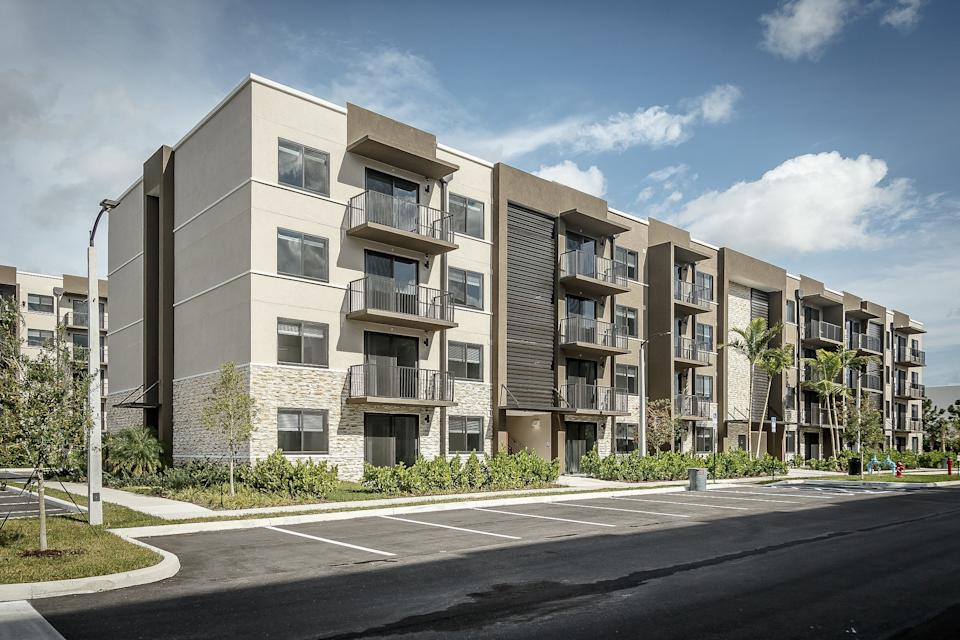
These developments are often indistinguishable from market-rate housing in appearance, promoting dignity and inclusion.
Public and Private Partnerships
Workforce housing often relies on collaboration.
Key contributors may include:
- Local governments
- Nonprofit organizations
- Private developers
- Employers
- Financial institutions
These partnerships help make projects financially viable while keeping rents affordable.
Collaboration ensures workforce housing meets both economic and community goals.
Workforce Housing vs Traditional Affordable Housing
Workforce housing serves a distinct group.
Unlike traditional affordable housing:
- It targets moderate-income earners
- It often does not require deep subsidies
- It focuses on proximity to employment centers
- It supports economic mobility
This distinction makes workforce housing a complementary solution rather than a replacement for other housing programs.
Supporting Economic Growth
Communities benefit economically when essential workers can live locally.
Positive impacts include:
- Reduced labor shortages
- Increased local spending
- Stronger tax base
- More resilient local services
Workforce housing supports economic growth by aligning housing availability with labor needs.
Addressing Housing Insecurity Among Essential Workers
Housing insecurity affects job performance and well-being.
Workforce housing reduces:
- Risk of eviction
- Frequent relocations
- Overcrowded living situations
Stable housing allows essential workers to focus on their roles without constant concern about where they will live next.
Workforce Housing and Equity
Workforce housing promotes equity by recognizing the value of essential labor.
It:
- Acknowledges the importance of service roles
- Supports fair access to housing
- Reduces displacement pressures
- Encourages inclusive communities
By aligning housing options with wages, workforce housing supports a more balanced and equitable housing system.
Challenges in Expanding Workforce Housing
Despite its benefits, workforce housing faces challenges.
These include:
- Limited land availability
- Rising construction costs
- Zoning restrictions
- Community resistance
- Funding constraints
Overcoming these barriers requires coordinated planning and long-term commitment.
Long-Term Benefits for Workers and Communities
Over time, workforce housing delivers lasting benefits.
For workers:
- Greater financial security
- Improved quality of life
- Stronger community ties
For communities:
- Reliable essential services
- Economic resilience
- Reduced inequality
- Sustainable growth
These benefits extend far beyond individual households.
Workforce Housing and Future Planning
As cities grow and labor needs evolve, workforce housing will play an increasingly important role.
Forward-thinking communities:
- Integrate housing with transit and employment
- Plan for diverse income levels
- Support mixed-use development
- Encourage public-private collaboration
Workforce housing is not a temporary fix — it is a long-term strategy.
Common Misconceptions About Workforce Housing
Myth: Workforce housing lowers neighborhood value
Reality: Well-designed developments enhance community stability.
Myth: It only benefits renters
Reality: Communities and employers benefit as well.
Myth: Essential workers should simply live farther away
Reality: Long commutes create workforce and service challenges.
Dispelling these myths supports broader acceptance.
Why Workforce Housing Matters Now
The demand for essential workers is not going away.
Healthcare, education, public safety, and infrastructure will always require people on the ground. Housing solutions must reflect this reality.
Workforce housing ensures that the people who keep communities running can afford to live within them.
Final Thoughts
Workforce housing supports essential workers by providing affordable, stable housing close to where they work. It reduces financial strain, shortens commutes, improves quality of life, and strengthens communities.
By addressing the housing needs of moderate-income workers, workforce housing fills a critical gap in the housing market and supports economic resilience.
Communities thrive when essential workers are supported — and workforce housing is one of the most effective ways to make that possible.


