
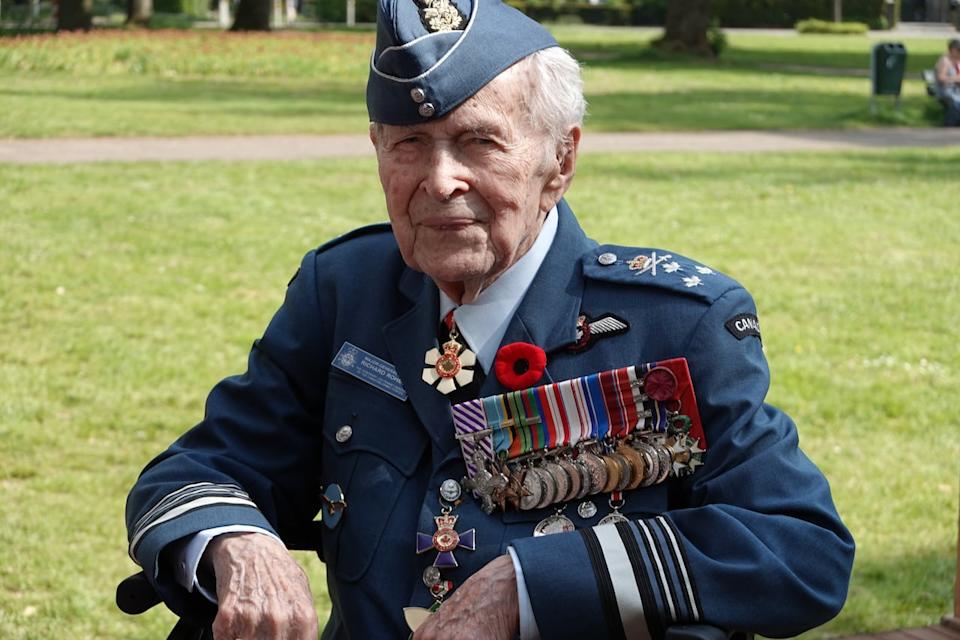
Why Veteran Stories Matter in Modern Society
Veterans often return from service carrying experiences that are difficult to explain and even harder for civilians to fully understand. Military service exposes individuals to intense responsibility, moral complexity, and life-altering situations that most people will never face firsthand.
Veteran stories bridge this gap.
By sharing lived experiences — both challenging and hopeful — veterans help the wider public understand the human realities behind service, sacrifice, and reintegration. These stories do more than recount events. They foster empathy, break down stereotypes, and deepen understanding across communities.
In a world increasingly shaped by distance from military service, veteran voices play a vital role in reconnecting society with the people behind the uniform.
Storytelling as a Path to Empathy
Empathy grows through connection, not statistics.
While headlines and historical accounts provide context, personal stories create emotional understanding. When veterans share their experiences, listeners are invited into moments of fear, resilience, camaraderie, loss, and growth.
Stories allow people to:
- See situations through another perspective
- Understand emotional complexity
- Recognize shared humanity
- Move beyond assumptions
This emotional access is essential for genuine empathy.
Humanizing Military Service
Military service is often portrayed through extremes — heroism or trauma — with little nuance in between. Veteran stories introduce balance.
They show:
- Ordinary people facing extraordinary circumstances
- Moments of doubt alongside courage
- Humor amid hardship
- Humanity within discipline
By humanizing service members, stories challenge one-dimensional narratives and replace them with authentic, relatable experiences.
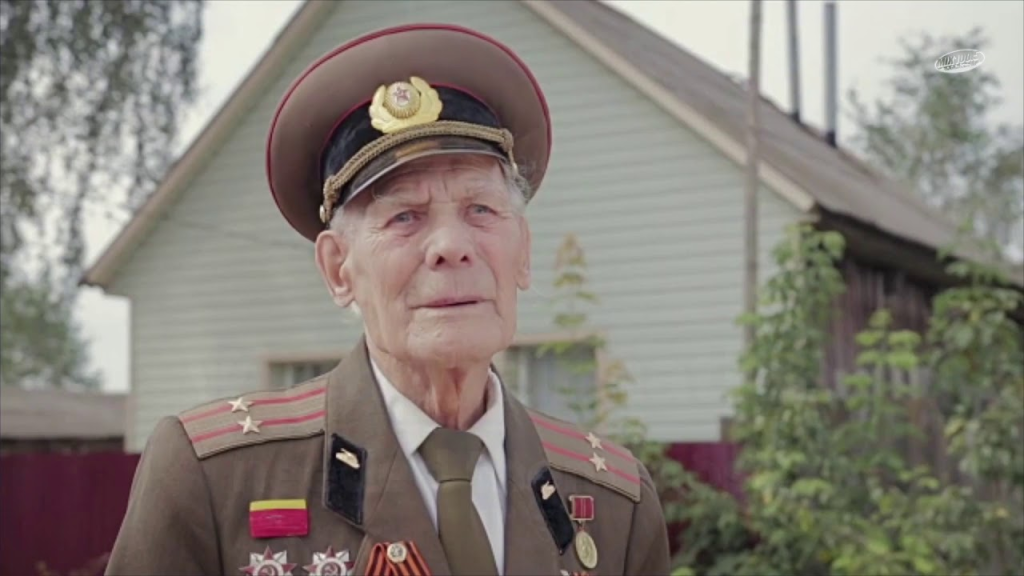
Breaking Down Stereotypes About Veterans
Misconceptions about veterans are widespread.
Some common stereotypes include:
- All veterans are emotionally damaged
- Veterans struggle to adapt to civilian life
- Military service defines a person entirely
Veteran stories counter these assumptions by highlighting diversity in experiences, personalities, and post-service paths.
Hearing veterans speak for themselves reduces fear-based narratives and replaces them with understanding grounded in reality.
Helping Civilians Understand Invisible Experiences
Many challenges veterans face are not immediately visible.
These may include:
- Moral injury
- Survivor’s guilt
- Identity shifts
- Loss of structure and purpose
Veteran storytelling helps civilians understand that not all wounds are physical — and that adjustment to civilian life is often complex.
This awareness encourages patience, compassion, and informed support rather than judgment or distance.
Building Bridges Between Military and Civilian Communities
As fewer civilians have direct connections to military service, the divide between military and civilian worlds has grown.
Veteran stories act as bridges by:
- Translating military experiences into relatable terms
- Providing context for service-related challenges
- Encouraging dialogue rather than silence
When communities listen, they become better equipped to support veterans as neighbors, coworkers, and leaders.
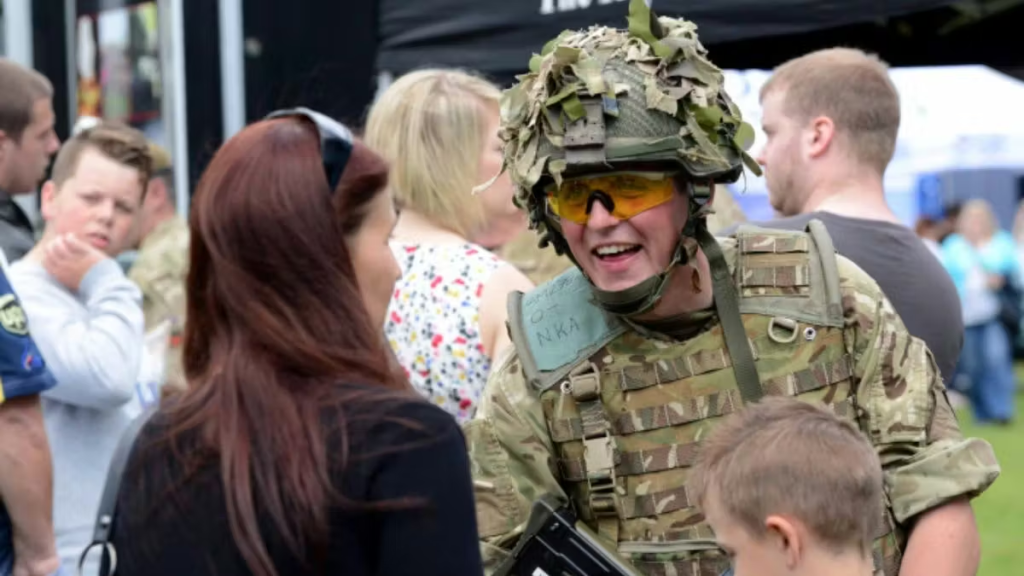
The Role of Vulnerability in Storytelling
Sharing personal experiences requires vulnerability — especially when those experiences involve trauma, fear, or moral conflict.
When veterans choose to be open, they:
- Model emotional honesty
- Normalize difficult conversations
- Reduce stigma around mental health
- Encourage others to share their own stories
This vulnerability strengthens trust and allows empathy to develop naturally rather than through obligation.
Veteran Stories in Education
In classrooms, veteran narratives bring history and civics to life.
Students gain:
- Firsthand insight into historical events
- Understanding of ethical decision-making
- Appreciation for service beyond textbooks
Hearing real experiences transforms abstract concepts into human stories, making learning more engaging and meaningful.
Educational settings that include veteran voices foster respect and curiosity rather than distance.
Media, Storytelling, and Public Perception
Media plays a powerful role in shaping how veterans are perceived.
When veteran stories are told accurately and respectfully, they:
- Counter sensationalized portrayals
- Add nuance to public conversations
- Highlight resilience alongside hardship
Platforms that center veteran voices — documentaries, podcasts, interviews, and written narratives — allow veterans to define their own stories rather than being defined by others.
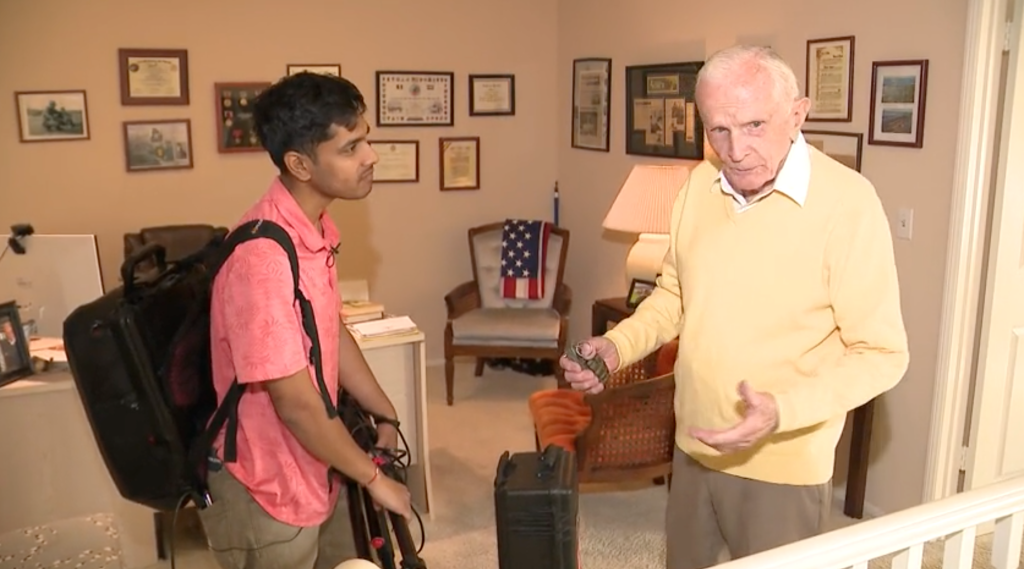
Healing Benefits for Veterans Themselves
Storytelling is not only beneficial for listeners — it can be healing for veterans as well.
Sharing experiences can:
- Help process difficult memories
- Reduce feelings of isolation
- Restore a sense of purpose
- Reclaim personal narrative
For many veterans, telling their story transforms experiences from something carried alone into something understood and acknowledged.
Encouraging Empathy Across Generations
Veteran stories connect generations by preserving lived experiences that might otherwise be lost.
Older veterans share lessons with younger generations, while younger veterans offer perspectives shaped by modern conflicts and evolving military culture.
These intergenerational exchanges promote:
- Mutual respect
- Cultural continuity
- Shared understanding of service and sacrifice
Such connections ensure that experiences are remembered, not forgotten.
Veteran Stories and Social Responsibility
Empathy gained through storytelling often leads to action.
When people understand veteran experiences, they are more likely to:
- Support veteran services
- Advocate for mental health resources
- Create inclusive workplaces
- Engage in informed policy discussions
Understanding fosters responsibility — and responsibility strengthens communities.
Challenging the Silence Around Service
Silence can create distance.
Many veterans hesitate to share their stories due to:
- Fear of being misunderstood
- Desire to protect others
- Cultural norms around toughness
By creating safe spaces for storytelling, communities signal that veteran voices are welcome, respected, and valued.
Breaking silence is often the first step toward deeper understanding.
The Power of Listening
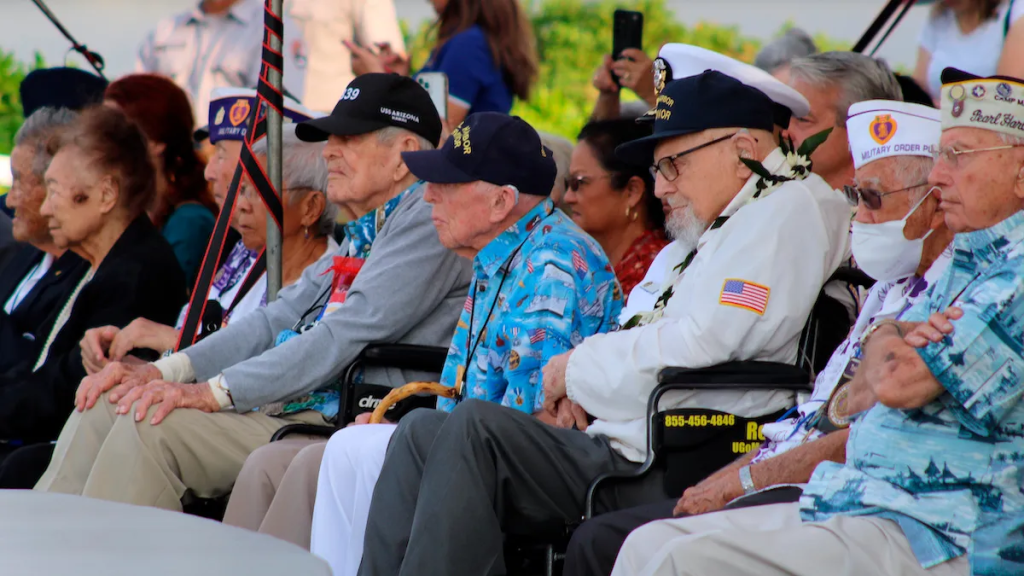
Storytelling only builds empathy when paired with genuine listening.
Active listening involves:
- Suspending judgment
- Respecting emotional boundaries
- Acknowledging complexity
- Avoiding oversimplification
When civilians listen with openness, veteran stories become shared experiences rather than distant narratives.
Digital Platforms and Expanding Reach
Digital platforms have expanded opportunities for veteran storytelling.
Blogs, podcasts, social media, and video platforms allow veterans to:
- Reach broader audiences
- Share on their own terms
- Connect with others who relate
These platforms democratize storytelling, ensuring diverse voices are heard beyond traditional media channels.
Cultural Impact of Veteran Narratives
Over time, veteran stories shape cultural memory.
They influence:
- How societies remember conflict
- How service is honored
- How future generations understand responsibility and resilience
By preserving these narratives, cultures gain a more honest and compassionate understanding of history and humanity.
Why Empathy Leads to Understanding
Empathy is not agreement — it is understanding.
Veteran stories invite people to:
- Recognize complexity
- Appreciate sacrifice without glorification
- Respect service without pity
This understanding allows for healthier conversations about war, peace, responsibility, and community care.
Final Thoughts
Veteran stories help build empathy and understanding by transforming abstract ideas into human experiences. They challenge stereotypes, foster connection, and remind society that behind every uniform is an individual shaped by service, values, and resilience.
When communities listen to veterans, they do more than honor service — they create understanding, strengthen relationships, and build a more compassionate society.
Empathy begins with a story. Understanding grows when that story is heard.


