
Protecting Homes, Businesses, and Public Health Through Best Practices
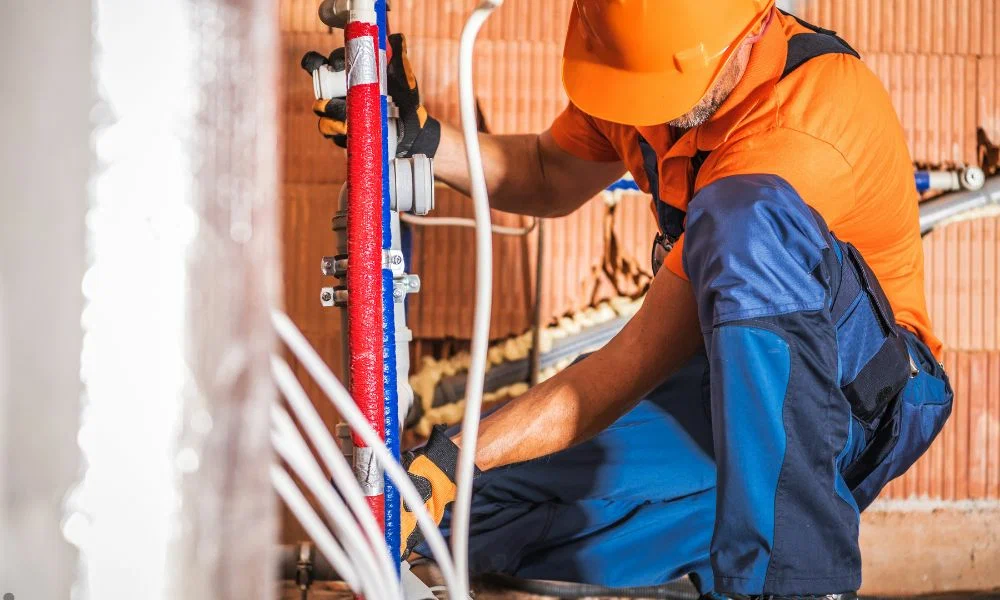
Professional plumbing work goes far beyond fixing leaks or installing pipes. Every project involves safety considerations that protect property, occupants, and the plumber themselves. From preventing water contamination to avoiding gas hazards and structural damage, maintaining safety standards is a core responsibility of professional plumbers.
This article explains how professional plumbers maintain safety standards, the regulations they follow, the tools and training they rely on, and why hiring licensed professionals matters for long-term safety and compliance.
Why Safety Standards Matter in Plumbing
Plumbing systems are essential to sanitation, clean water delivery, and waste removal. When improperly installed or maintained, they can cause:
- Water contamination
- Gas leaks
- Mold growth
- Structural damage
- Fire or explosion risks
Safety standards exist to minimize these risks and ensure plumbing systems function reliably for years.
Licensing and Certification Requirements
Professional plumbers are required to meet licensing and certification standards set by local or national authorities. These requirements typically include:
- Formal education or apprenticeship training
- Supervised on-the-job experience
- Passing competency exams
- Ongoing continuing education
Licensing ensures plumbers understand safety codes, best practices, and current regulations.
Compliance With Building Codes and Regulations
Plumbing work must comply with established building codes that govern:
- Pipe materials and sizing
- Drainage and venting systems
- Backflow prevention
- Gas line installation
- Water heater safety
Professional plumbers stay updated on code changes to ensure every installation and repair meets legal and safety requirements.
Proper Use of Personal Protective Equipment
Safety begins with personal protection. Professional plumbers routinely use protective equipment such as:
- Gloves to prevent cuts and chemical exposure
- Safety goggles to protect eyes
- Protective footwear to avoid slips and injuries
- Respirators when working in confined spaces
Using proper gear reduces the risk of injury and exposure to harmful substances.
Preventing Water Contamination
One of the most critical safety responsibilities of plumbers is protecting drinking water quality. This involves:
- Installing backflow prevention devices
- Maintaining proper separation between clean water and waste systems
- Ensuring correct pipe connections
Professional plumbers understand cross-connection risks and follow strict protocols to prevent contamination.
Gas Line Safety and Leak Prevention
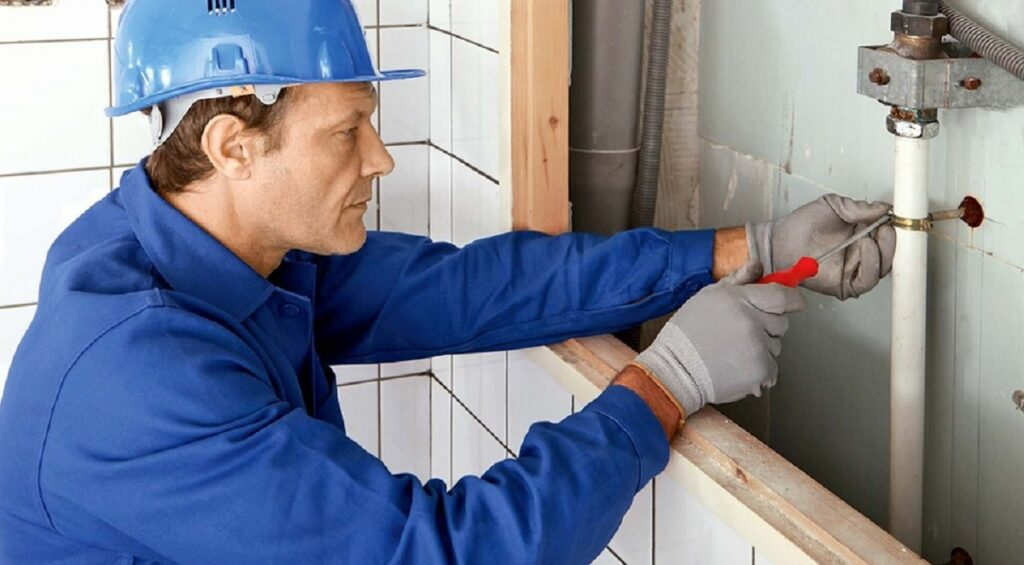
Plumbers working with gas systems must follow strict safety procedures to prevent leaks and explosions. These include:
- Proper pipe sizing and material selection
- Secure connections and sealing
- Pressure testing before system activation
- Using gas detection tools
Only trained professionals should handle gas line installations and repairs due to the high risk involved.
Electrical Safety Awareness
Plumbing work often occurs near electrical systems. Professional plumbers are trained to:
- Identify electrical hazards
- Shut off power when necessary
- Coordinate with licensed electricians
- Use insulated tools
This awareness reduces the risk of electrocution and equipment damage.
Safe Handling of Tools and Equipment
Professional plumbers use specialized tools, including pipe cutters, torches, and power equipment. Safety practices include:
- Regular tool inspection
- Proper storage and maintenance
- Following manufacturer guidelines
- Using equipment designed for specific tasks
Well-maintained tools reduce accidents and improve work quality.
Confined Space Safety Procedures
Plumbers often work in confined spaces such as crawl spaces, basements, and utility rooms. Safety measures include:
- Ensuring adequate ventilation
- Monitoring air quality
- Using confined-space protocols
- Having a communication plan
These precautions protect plumbers from harmful gases and low oxygen levels.
Managing Water Pressure and System Testing
Excessive water pressure can damage pipes and fixtures. Professional plumbers:
- Measure water pressure accurately
- Install pressure-reducing valves when needed
- Test systems after installation
Controlled pressure prevents leaks, bursts, and long-term system failure.
Fire Safety During Plumbing Work
Some plumbing tasks involve open flames, such as soldering copper pipes. Fire safety measures include:
- Using flame-resistant materials
- Keeping fire extinguishers nearby
- Shielding surrounding surfaces
- Monitoring heat after work is completed
These steps prevent accidental fires during and after repairs.
Sanitation and Biohazard Safety
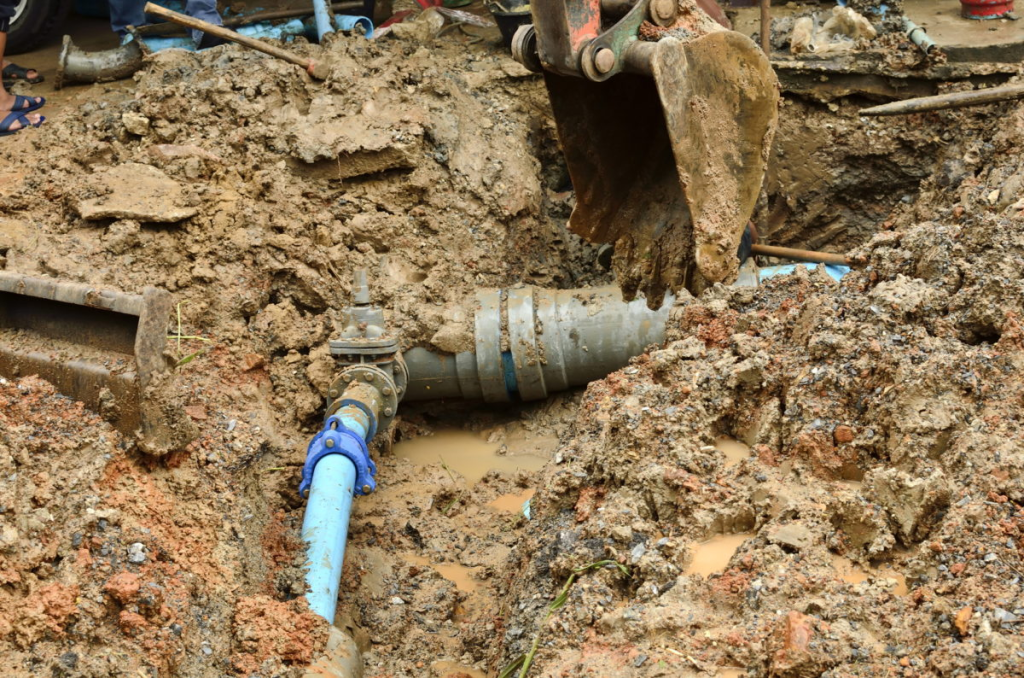
Working with waste systems exposes plumbers to bacteria and biohazards. Professional standards require:
- Proper sanitation procedures
- Use of protective clothing
- Safe disposal of waste materials
- Thorough cleaning after work
These practices protect both plumbers and property occupants from health risks.
Training and Continuing Education
Safety standards evolve as materials, technologies, and regulations change. Professional plumbers engage in continuing education to:
- Learn new installation methods
- Understand updated safety codes
- Improve emergency response skills
Ongoing training ensures plumbers remain competent and compliant.
Quality Control and Inspection Procedures
After completing work, professional plumbers conduct inspections to ensure:
- Proper connections
- Leak-free operation
- Code compliance
- Safe system performance
Inspections catch potential issues early and prevent future hazards.
Emergency Preparedness and Response
Professional plumbers are trained to handle emergencies safely, including:
- Burst pipes
- Gas leaks
- Sewer backups
They know how to shut down systems quickly, minimize damage, and restore safety.
Documentation and Record Keeping
Maintaining records is part of safety compliance. Documentation may include:
- Permits and inspection approvals
- System diagrams
- Maintenance records
Accurate records support future repairs and ensure transparency.
Environmental Safety and Responsible Practices
Professional plumbers consider environmental safety by:
- Preventing water waste
- Installing efficient fixtures
- Properly disposing of materials
- Avoiding harmful chemicals
These practices protect both human health and the environment.
Why Hiring a Professional Plumber Matters
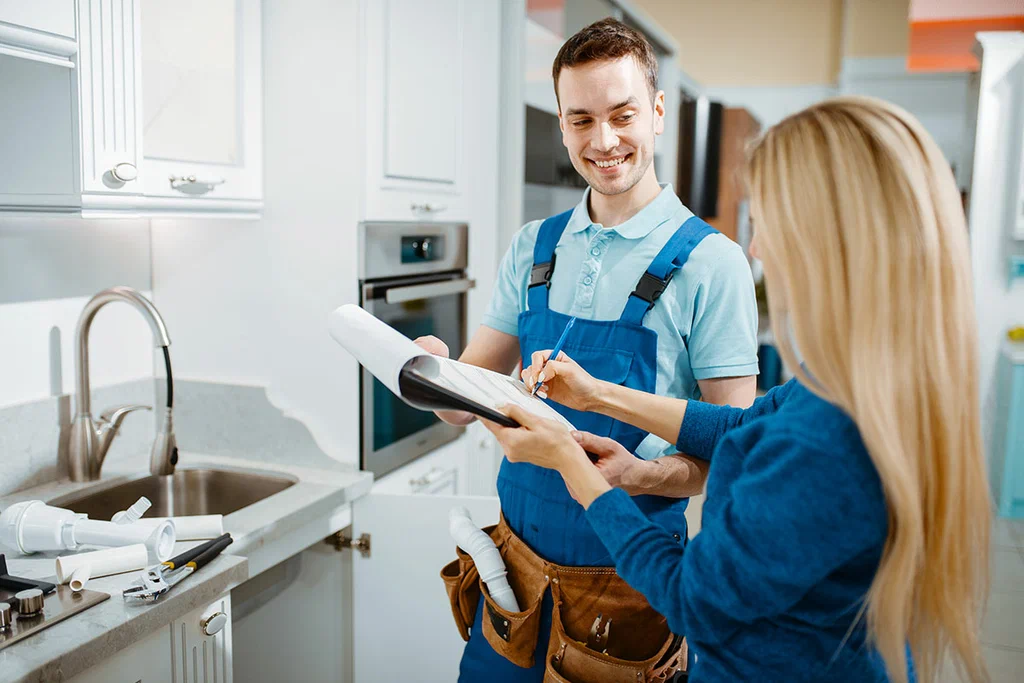
Licensed plumbers provide peace of mind because they:
- Follow established safety standards
- Understand complex systems
- Carry insurance and accountability
- Reduce long-term risk
DIY or unlicensed work often lacks these protections, increasing the chance of costly and dangerous mistakes.
How Safety Standards Protect Property Owners
Safety-compliant plumbing work:
- Prevents water damage
- Reduces liability risks
- Ensures insurance coverage validity
- Increases property value
Professional standards protect both immediate and long-term interests.
Common Safety Mistakes Avoided by Professionals
Experienced plumbers avoid errors such as:
- Improper venting
- Incorrect pipe materials
- Inadequate pressure control
- Skipping permits or inspections
Avoiding these mistakes prevents serious safety and compliance issues.
The Role of Ethics in Plumbing Safety
Ethical responsibility drives safety adherence. Professional plumbers prioritize:
- Honest assessments
- Proper solutions over shortcuts
- Customer education
Ethical practices align with safety standards and long-term system reliability.
Final Thoughts
Professional plumbers maintain safety standards through rigorous training, adherence to codes, proper equipment use, and a commitment to protecting health and property. Their work ensures that plumbing systems operate safely, efficiently, and reliably.
Choosing a licensed professional is not just about convenience — it is a critical investment in safety, compliance, and peace of mind. Proper plumbing safeguards the essential systems that support daily life.


