
Why Some Photos Instantly Feel Powerful
Some photographs stop people mid-scroll. Others fade into the background, even when the subject is beautiful. The difference is rarely the camera. It’s timing and composition — two invisible forces that quietly separate ordinary images from unforgettable ones.
Timing determines when a moment is captured. Composition determines how that moment is framed. When these two elements align, photographs don’t just document reality — they communicate emotion, tension, and story.
In a world saturated with images, powerful photographs stand out because they feel intentional. They feel alive. This article breaks down how timing and composition work together to elevate photography across travel, lifestyle, portraits, street photography, and beyond.
The Hidden Role of Timing in Photography
Timing is often misunderstood as luck. In reality, it’s awareness.
Great photographers don’t wait randomly for something to happen. They anticipate moments, patterns, and emotional peaks. Timing is the ability to press the shutter at the precise instant when meaning is highest.
The Difference One Second Makes
A fraction of a second can completely change the story of an image:
- A smile just before it fades
- A wave crashing at its peak
- A subject stepping into perfect light
- A gesture that reveals emotion
Photographs taken too early feel unfinished. Taken too late, they feel flat. The right moment exists briefly — and timing is recognizing it.

Anticipation Over Reaction
Professional photographers train themselves to anticipate rather than react.
Instead of chasing moments, they observe:
- How people move through space
- How light shifts across surfaces
- How expressions build and release
- How scenes repeat with subtle variation
By predicting what will happen next, photographers position themselves in advance — physically and mentally — so timing becomes intentional rather than accidental.
This is especially critical in street photography, event photography, travel imagery, and documentary storytelling.
Light Timing Changes Everything
Light has a rhythm. Knowing when light is at its most expressive transforms an image.
Golden Hour vs Harsh Light
Soft light early in the morning or late in the day:
- Adds depth
- Enhances texture
- Creates emotional warmth
Midday light flattens scenes, creates harsh shadows, and reduces visual drama unless used deliberately.
Timing your shoot around light conditions is one of the fastest ways to elevate image quality without changing equipment.

Emotional Timing Creates Impact
Powerful photographs often capture transitions:
- Joy turning into laughter
- Stillness before movement
- Silence before chaos
- Connection before separation
These emotional in-between moments feel real because they are fleeting. Timing isn’t about perfection — it’s about honesty.
What Composition Really Does
Composition is not decoration. It’s visual communication.
It tells the viewer:
- Where to look
- What matters
- How to feel
- What the image is about
Strong composition turns chaos into clarity.
How the Eye Travels Through an Image
Human eyes don’t scan photos randomly. They follow paths.
Composition controls those paths through:
- Lines
- Contrast
- Framing
- Spacing
- Balance
When composition is intentional, the viewer’s eye moves smoothly through the image, absorbing the story without confusion.
The Rule of Thirds And When to Break It
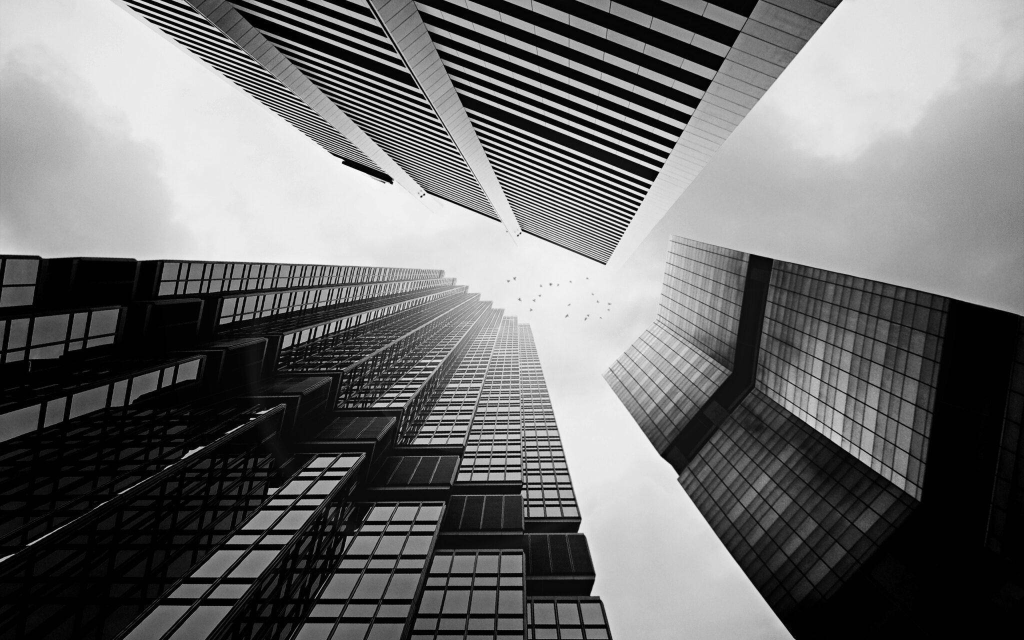
The rule of thirds divides an image into nine equal parts, placing key elements along intersecting lines.
This creates natural balance and visual interest. But powerful photographers know when to break it. Centered compositions, asymmetry, or heavy negative space can create tension or calm — depending on intent.
Rules are starting points, not limitations.
Negative Space Creates Emotion
Empty space isn’t wasted space.
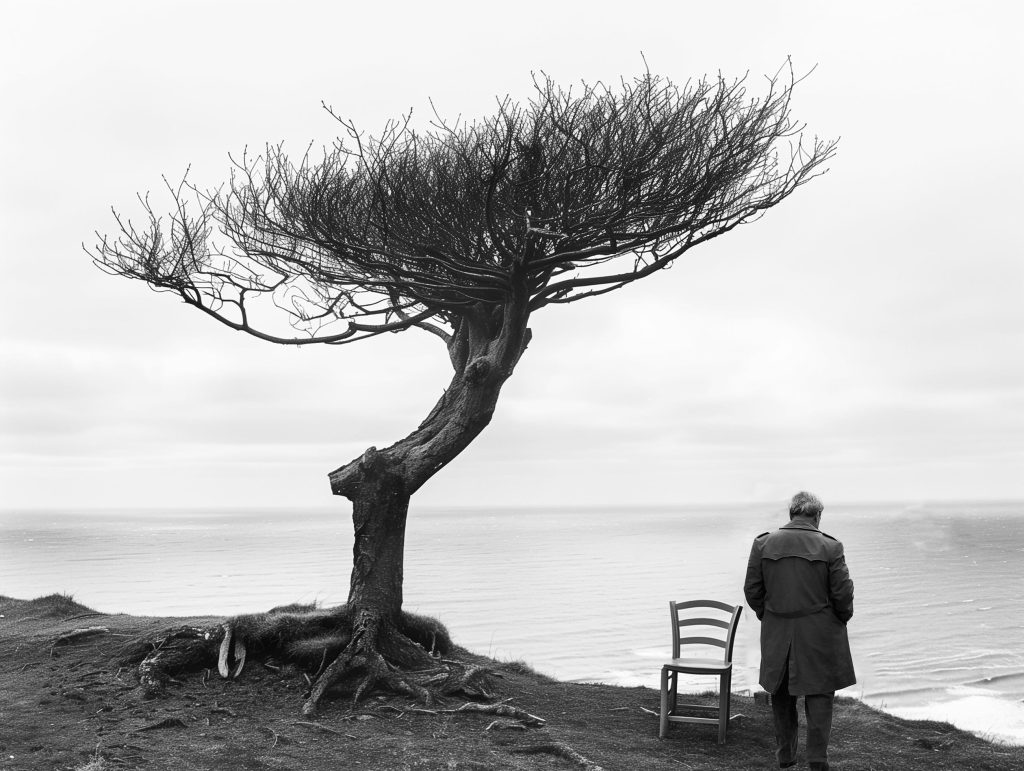
Negative space emphasizes subjects, creates mood, and enhances storytelling. A lone subject surrounded by space often feels isolated, peaceful, powerful, or vulnerable.
Composition isn’t about filling the frame — it’s about using the frame.
When Timing and Composition Intersect
The most impactful images happen when timing and composition work together.
You can have perfect composition but miss the moment.
You can capture the moment but frame it poorly.
Powerful photographs require both.

Why Professionals Take Fewer Photos Than You Think
Experienced photographers don’t shoot endlessly.
They wait.
They observe.
They commit only when timing and composition align.
This discipline leads to fewer but stronger images, clearer storytelling, and a consistent visual identity.
Why Timing and Composition Matter for Monetized Content
In SEO and advertorial environments, images aren’t decoration — they’re conversion tools.
High-quality, intentional images:
- Increase time on page
- Reduce bounce rate
- Build trust
- Improve click-through rates
When photos feel crafted, readers perceive the entire article as more credible.
Final Thoughts
Powerful photographs aren’t accidents.
They are the result of seeing before shooting, waiting for meaning, framing with intention, and respecting the moment.
When timing and composition work together, images stop being visuals — they become experiences.
And experiences are what people remember.


