
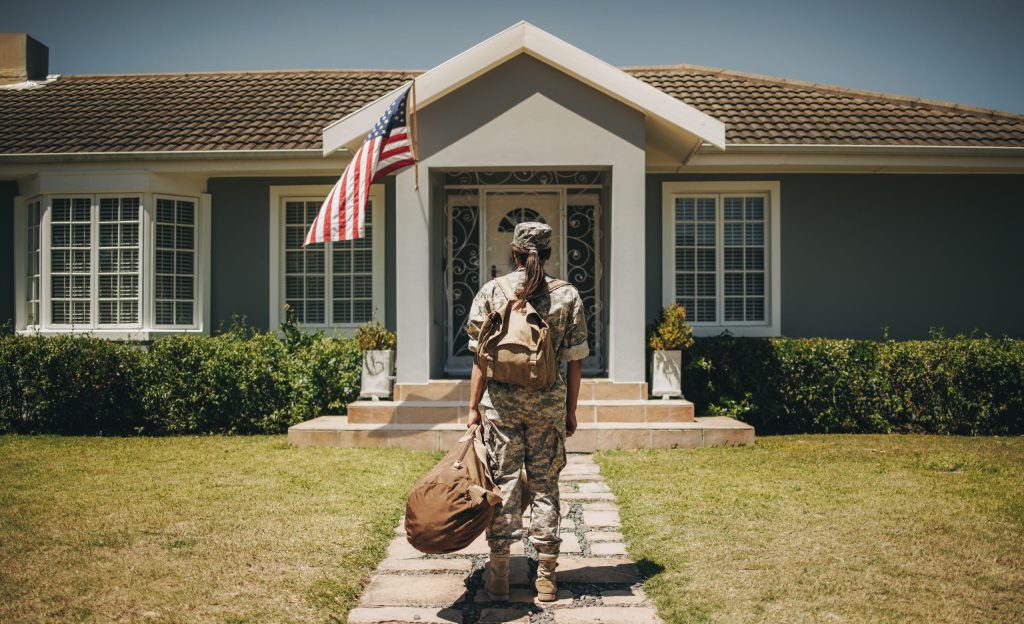
Transitioning from military service to civilian life can be both rewarding and challenging. While many veterans successfully move into new careers and communities, others face financial uncertainty, housing instability, or difficulty accessing benefits they have earned through service. Veteran support programs exist to bridge these gaps, offering targeted financial assistance and housing resources designed specifically for former service members and their families.
What many veterans and their loved ones don’t realize is how broad and impactful these programs can be. From income support and emergency aid to affordable housing and long-term homeownership opportunities, veteran programs play a critical role in promoting stability and well-being.
This article explains how veteran programs provide financial and housing support, who they are designed to help, and why these resources are essential for long-term success after service.

Why Veteran Support Programs Matter
Military service often involves frequent relocations, deployments, and career interruptions that can affect long-term financial planning. After discharge, veterans may face challenges such as:
- Gaps in employment history
- Service-related disabilities
- Rising housing costs
- Limited access to traditional financial products
Veteran programs exist to recognize these unique circumstances and provide assistance that reflects the realities of military life. Rather than one-size-fits-all aid, these programs are tailored to the needs of veterans at different stages of transition.
Financial Assistance Programs for Veterans
Financial support is a cornerstone of veteran assistance. These programs are designed to supplement income, address service-related needs, and provide stability during times of transition.
Income-Based Benefits
Some veteran programs provide monthly payments to eligible individuals based on service history, disability status, or income level. These benefits can help offset lost wages, medical expenses, or reduced earning capacity.
For many veterans, this steady income provides a foundation for meeting basic needs such as housing, food, and healthcare.
Emergency Financial Assistance
Unexpected expenses can quickly destabilize households. Emergency assistance programs for veterans may help cover:
- Utility bills
- Rent or mortgage payments
- Medical or transportation costs
- Short-term financial crises
These programs are often designed to prevent temporary setbacks from becoming long-term hardships.
Employment and Income Support
While not direct cash assistance, employment-focused veteran programs play an important role in financial stability. Job placement services, training programs, and career counseling help veterans translate military experience into civilian employment.
By improving earning potential, these programs reduce reliance on short-term assistance and support long-term self-sufficiency.

Housing Assistance for Veterans
Housing stability is one of the most critical needs addressed by veteran programs. Access to safe, affordable housing helps veterans rebuild routines, maintain health, and support their families.
Affordable Rental Housing
Many veteran housing programs provide access to affordable rental units reserved specifically for veterans. These units often offer reduced rent based on income, making them accessible to low- and moderate-income households.
Some programs prioritize veterans who are:
- Experiencing housing insecurity
- Living with disabilities
- Supporting dependents
Affordable rental housing helps veterans remain housed while they pursue employment or recovery goals.
Housing Vouchers and Rental Support
Housing voucher programs help veterans afford private-market rentals by subsidizing a portion of monthly rent. This allows families to choose housing that meets their needs while keeping costs manageable.
Rental support programs often include case management services to help veterans maintain stable housing over time.
Programs Addressing Veteran Homelessness
Preventing and reducing homelessness among veterans is a major focus of housing assistance initiatives. These programs aim to provide immediate shelter while supporting long-term stability.
Transitional Housing
Transitional housing programs offer temporary accommodation combined with support services. Veterans may receive help with employment, healthcare access, and financial planning while living in these facilities.
The goal is to create a pathway from temporary shelter to permanent housing.
Permanent Supportive Housing
For veterans facing ongoing challenges such as disabilities or chronic health conditions, permanent supportive housing provides long-term stability. These programs combine affordable housing with ongoing services tailored to individual needs.
Supportive housing recognizes that stable housing is a foundation for recovery and independence.
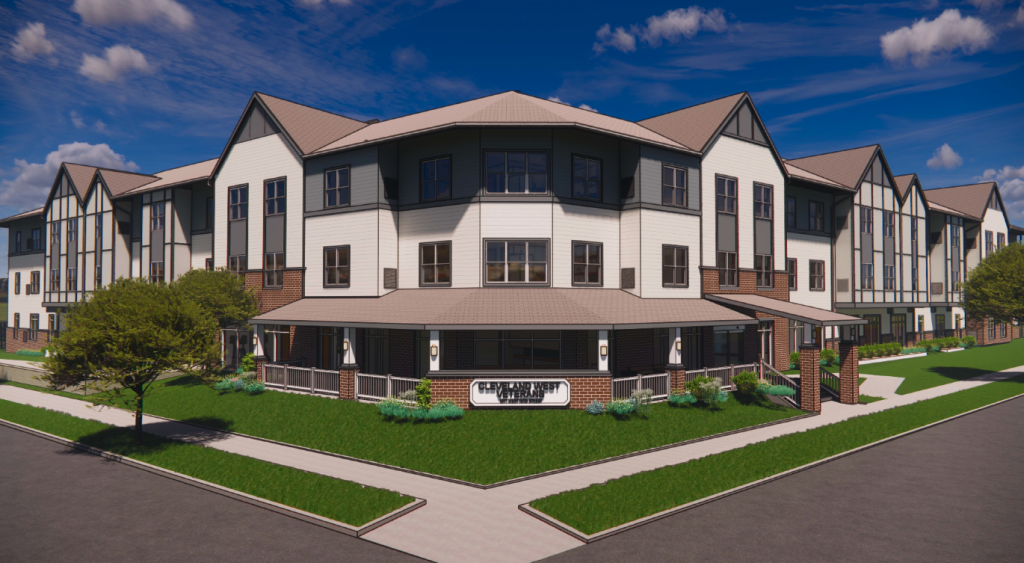
Homeownership Opportunities for Veterans
Beyond rental assistance, many veteran programs support homeownership. Owning a home can provide long-term financial security and a sense of permanence.
Accessible Home Financing
Veteran-focused home financing programs often feature:
- Reduced or no down payment requirements
- Competitive interest rates
- Flexible credit guidelines
These features help veterans overcome common barriers to purchasing a home.
Home Modification and Repair Assistance
Some programs help veterans modify or repair homes to accommodate disabilities or improve safety. This assistance supports aging in place and reduces the risk of housing loss due to maintenance costs.
Support for Veteran Families
Veteran programs often extend beyond the individual to support spouses and dependents. Stable housing and financial assistance benefit entire households, improving outcomes for children and caregivers.
Family-focused support may include:
- Larger housing units
- Childcare-related assistance
- Financial counseling for household budgeting
By supporting families, these programs strengthen long-term stability.
How Eligibility Is Determined
Eligibility for veteran financial and housing programs typically depends on factors such as:
- Military service history
- Discharge status
- Income level
- Disability status
- Housing need
Because criteria vary, veterans may qualify for multiple programs at once. Understanding eligibility requirements is key to accessing the full range of available support.

Why Many Veterans Don’t Access Available Support
Despite the availability of programs, many veterans never apply for assistance they qualify for.
Common barriers include:
- Lack of awareness about available benefits
- Complex application processes
- Assumptions that assistance is only for extreme hardship
- Difficulty navigating multiple agencies
Improving access to information and support services remains a critical challenge.
The Long-Term Impact of Veteran Support Programs
When veterans receive timely financial and housing assistance, the benefits extend beyond individual households. Communities experience:
- Reduced homelessness rates
- Increased workforce participation
- Lower reliance on emergency services
- Stronger family stability
Supporting veterans is not only a moral obligation—it’s a practical investment in community well-being.
Steps Veterans Can Take to Explore Support
Veterans seeking financial or housing assistance can take proactive steps to access resources:
- Review service records and discharge status
- Gather income and housing documentation
- Explore both national and local veteran programs
- Seek guidance from veteran service organizations
- Reapply or update applications as circumstances change
Persistence and awareness are often key to unlocking support.
Understanding the Role of Advocacy and Outreach
Veteran advocacy organizations play a vital role in connecting individuals to resources. These groups help veterans navigate systems, understand benefits, and advocate for policy improvements.
Outreach efforts ensure that programs reach those who need them most, especially veterans facing isolation or transition challenges.
Final Thoughts: Building Stability After Service
Veteran programs provide essential financial and housing support that recognizes the sacrifices made by service members and their families. From emergency assistance and affordable housing to long-term homeownership opportunities, these programs create pathways to stability and independence.
Understanding how veteran programs work empowers veterans and families to access the support they deserve. With the right information and guidance, these resources can transform challenges into opportunities for a secure and stable future.


