
A Smart Buyer’s Guide to REO Properties and Foreclosure Opportunities
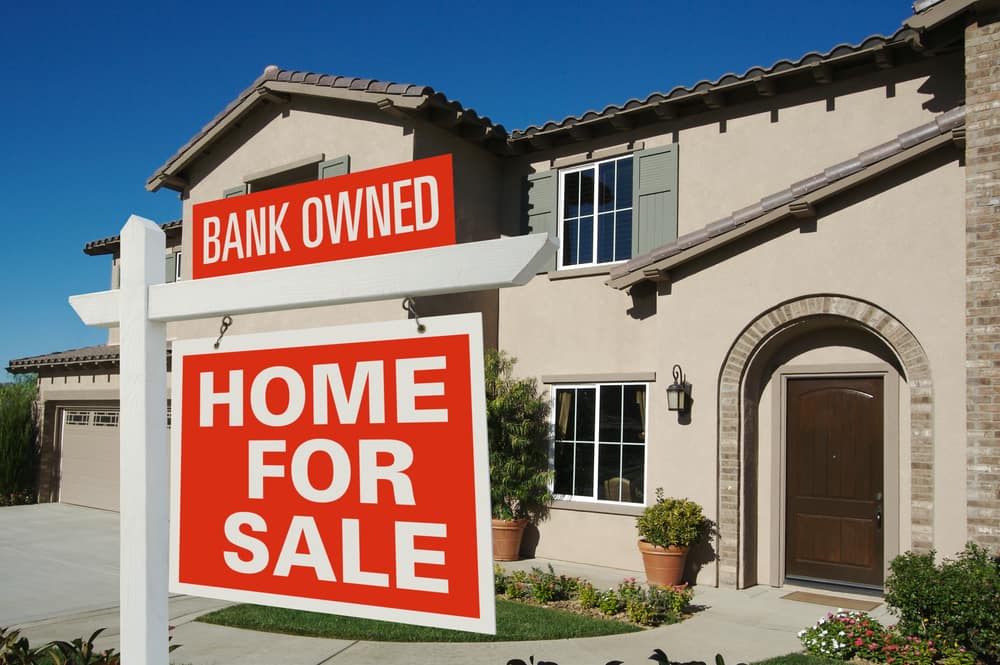
Bank-owned homes, often referred to as REO (Real Estate Owned) properties, can offer attractive pricing and investment potential. These properties are owned by lenders after a borrower defaults and the home fails to sell at foreclosure auction.
While buying a bank-owned home can result in significant savings, the process is often more complex than a traditional home purchase. This guide explains how to successfully navigate buying bank-owned homes, avoid common pitfalls, and make informed decisions.
What Is a Bank-Owned Home?
A bank-owned home is a property that has gone through foreclosure and is now owned by the lender, typically a bank or mortgage company. After failing to sell at a foreclosure auction, the property becomes part of the lender’s real estate inventory.
Banks aim to sell these homes efficiently to recover losses, which can create opportunities for buyers willing to handle added complexity.
Why Buyers Consider Bank-Owned Properties
Bank-owned homes appeal to buyers for several reasons:
- Potentially lower purchase prices
- Motivated sellers (banks want to remove properties from their books)
- Opportunity for equity through renovation
- Availability in various markets and neighborhoods
However, these advantages come with added responsibilities and risks.
Understanding the Risks and Challenges
Unlike traditional home sales, bank-owned properties are typically sold as-is. This means the bank will not make repairs or offer credits for defects.
Common challenges include:
- Deferred maintenance
- Unknown property history
- Vacant property damage
- Longer closing timelines
Understanding these risks upfront helps buyers plan accordingly.
Preparing Financially Before You Begin
Before searching for bank-owned homes, secure your financing. Most lenders selling REO properties require:
- Proof of funds or mortgage pre-approval
- Earnest money deposit
- Strong buyer credentials
Cash buyers may have an advantage, but financing options are still available for qualified buyers.
Where to Find Bank-Owned Homes
Bank-owned homes can be found through several channels:
- Bank and lender websites
- Real estate listing platforms
- Government agencies such as HUD
- Local real estate agents specializing in REO properties
Working with an experienced agent can simplify access and negotiations.
Working With a Real Estate Agent Experienced in REOs
Not all agents are experienced with bank-owned transactions. An REO-specialized agent understands:
- Bank addendums
- Corporate seller processes
- Extended response timelines
- Strict contract terms
This expertise can prevent costly delays and missteps.
Evaluating Property Condition Carefully
A thorough property evaluation is critical. Hire a licensed home inspector to assess:
- Structural integrity
- Roofing and foundation
- Plumbing and electrical systems
- HVAC condition
Even if inspections are optional, skipping them can expose buyers to major expenses.
Budgeting for Repairs and Renovations
Factor repair costs into your purchase decision. Obtain contractor estimates whenever possible and include a contingency buffer for unexpected issues.
Bank-owned properties often require:
- Cosmetic updates
- Mechanical repairs
- Landscaping restoration
Accurate budgeting protects long-term investment value.
Understanding the Offer Process
Submitting an offer on a bank-owned home differs from a traditional sale. Banks often use standardized contracts and online offer systems.
Expect:
- Limited negotiation flexibility
- Slower response times
- Multiple approval layers
Patience and persistence are key.
Negotiating Price and Terms

While banks price REO homes competitively, negotiation is still possible — especially if:
- The property has been on the market for an extended period
- Repairs are extensive
- Comparable homes support a lower value
Strong documentation strengthens your negotiating position.
Managing Closing Timelines
REO transactions often take longer to close due to internal bank procedures. Buyers should:
- Avoid tight move-in deadlines
- Stay responsive to requests
- Expect additional paperwork
Flexibility helps ensure a smooth transaction.
Title and Legal Considerations
Bank-owned homes usually come with clean titles, but buyers should still:
- Order a title search
- Purchase title insurance
- Confirm property tax status
These steps protect against hidden liens or legal issues.
Financing Options for Bank-Owned Homes
Financing options may include:
- Conventional mortgages
- FHA or VA loans (property condition permitting)
- Renovation loans
Some REO properties may not qualify for certain loan programs due to condition, so verify eligibility early.
Government-Owned REO Programs
Government-backed agencies offer REO homes through structured programs. These properties often include:
- Clear disclosure requirements
- Set bidding periods
- Owner-occupant priority windows
Understanding program rules improves success rates.
Investment vs Owner-Occupant Considerations

Investors and owner-occupants face different priorities. Investors may focus on:
- After-repair value
- Rental potential
- Resale margins
Owner-occupants may prioritize livability, school districts, and long-term comfort.
Common Mistakes to Avoid
Avoid these common pitfalls:
- Skipping inspections
- Underestimating repair costs
- Ignoring contract details
- Rushing the process
- Assuming banks will negotiate like individuals
Careful planning reduces financial risk.
Strategies for Competitive Markets
In competitive markets, successful buyers often:
- Submit strong, clean offers
- Provide proof of funds
- Limit contingencies when appropriate
- Work with experienced professionals
Preparation improves offer acceptance.
Long-Term Benefits of Buying Bank-Owned Homes
When approached correctly, bank-owned homes can offer:
- Built-in equity
- Lower purchase price
- Investment opportunities
- Value-add renovation potential
Many buyers find long-term financial benefits through strategic REO purchases.
Post-Purchase Considerations
After closing, focus on:
- Completing necessary repairs
- Securing insurance coverage
- Establishing maintenance plans
Early attention protects property value and livability.
When Bank-Owned Homes May Not Be Ideal
Bank-owned homes may not suit buyers who:
- Need move-in-ready homes
- Have limited repair budgets
- Require fast closing timelines
Understanding personal limits helps avoid costly stress.
Final Thoughts

Buying a bank-owned home can be a smart financial move when approached with preparation, patience, and professional guidance. While the process may involve additional steps and risks, informed buyers can uncover meaningful opportunities.
By securing financing early, conducting thorough inspections, budgeting carefully, and working with experienced professionals, buyers can successfully navigate the REO market and turn bank-owned properties into valuable assets.


