

Finding affordable housing has become increasingly difficult for many individuals and families. Rising rent prices, limited housing supply, and higher living costs have placed significant pressure on household budgets. For people trying to stay housed, relocate, or plan for long-term stability, affordable housing programs can provide essential support.
What many people don’t realize is that affordable housing assistance exists at multiple levels—federal, state, and local—and includes far more than just public housing. Rental assistance, subsidized developments, housing vouchers, and support services are available in many communities, yet millions of eligible households never apply.
This article explains what affordable housing programs are available near you, how they work, and how they help individuals and families access safe, stable housing.
Why Affordable Housing Programs Matter
Housing costs typically represent the largest monthly expense for most households. When rent or mortgage payments consume too much income, families may struggle to cover food, healthcare, transportation, and education.
Affordable housing programs exist to:
- Reduce housing cost burdens
- Prevent homelessness and displacement
- Support working families and fixed-income households
- Promote long-term community stability
These programs are designed to make housing attainable without requiring perfect credit or high income.
Public Housing Programs
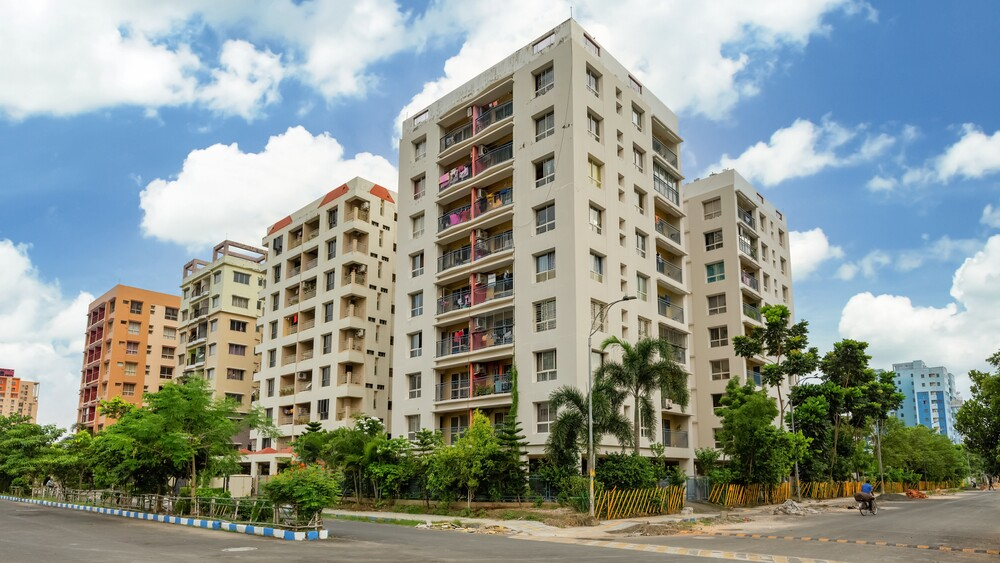
Public housing is one of the most well-known forms of affordable housing. These properties are owned or managed by local housing authorities and are rented to eligible low-income individuals and families.
Public housing units vary widely and may include:
- Apartment buildings
- Townhomes
- Senior-only housing communities
Rent is typically based on household income, making payments more predictable and manageable.
Housing Choice Voucher Programs
Housing choice voucher programs help eligible households afford private rental housing. Instead of living in government-owned units, participants rent homes on the open market.
Under this model:
- The household pays a portion of the rent based on income
- The program covers the remaining approved amount
- Families can choose where to live within program guidelines
This flexibility allows households to live closer to work, schools, or family support networks.

Subsidized Affordable Housing Developments
Subsidized housing developments are privately owned properties that receive government funding or tax incentives to offer reduced rents.
These properties often look like standard apartment communities but offer:
- Income-based rent limits
- Long-term affordability agreements
- Mixed-income housing options
Subsidized housing is available for families, seniors, individuals with disabilities, and working households.
Supportive Housing Programs
Supportive housing combines affordable housing with on-site or coordinated support services. These programs are designed for individuals or families facing additional challenges.
Services may include:
- Case management
- Employment support
- Healthcare coordination
- Mental health or substance-use services
Supportive housing helps stabilize housing while addressing underlying needs.
Affordable Housing for Seniors
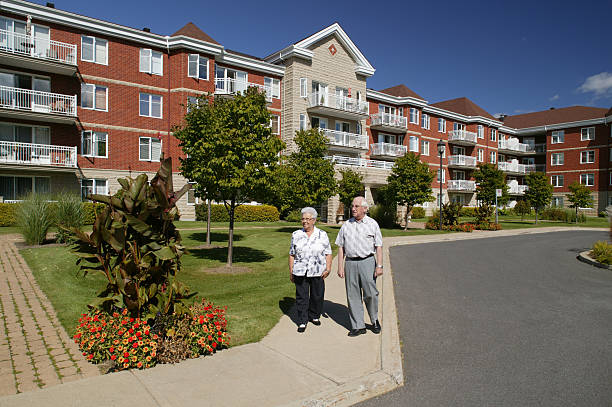
Many affordable housing programs are specifically designed for older adults living on fixed incomes.
Senior housing options may include:
- Age-restricted apartment communities
- Rent-subsidized senior housing
- Housing with accessibility features
These programs aim to help seniors remain independent while reducing housing-related financial stress.
Programs for Families and Children
Affordable housing plays a critical role in family stability. Many programs prioritize households with children to reduce housing insecurity and improve educational outcomes.
Family-focused programs may offer:
- Larger unit sizes
- Proximity to schools and childcare
- Community-based support services
Stable housing supports healthier development and long-term success for children.
Emergency and Short-Term Housing Assistance
In times of crisis, emergency housing assistance may be available to prevent eviction or homelessness.
This assistance can include:
- Temporary rental assistance
- Utility assistance to avoid shutoffs
- Short-term housing placements
These programs are designed to address immediate needs while families work toward long-term housing solutions.
How Eligibility Is Determined
Eligibility for affordable housing programs typically depends on:
- Household income
- Family size
- Local income limits
- Citizenship or residency status
Income limits are often based on regional median income, meaning many working families qualify even if they are employed full-time.
Because eligibility rules vary, households may qualify for one program but not another.
Why Many People Don’t Apply
Despite widespread need, many households never apply for affordable housing assistance.
Common reasons include:
- Lack of awareness about available programs
- Long waitlists discouraging applications
- Confusion about eligibility rules
- Assumptions that assistance is only for extreme hardship
In reality, applying early and staying informed increases the chance of accessing support when it becomes available.

How Affordable Housing Strengthens Communities
Affordable housing programs benefit more than individual households. Communities with stable housing experience:
- Lower homelessness rates
- Improved public health outcomes
- Stronger workforce participation
- Reduced strain on emergency services
By supporting housing stability, these programs contribute to healthier and more resilient neighborhoods.
Steps to Explore Affordable Housing Near You
Individuals searching for affordable housing can take several proactive steps:
- Research local housing authorities and community organizations
- Review eligibility requirements carefully
- Apply to multiple programs when possible
- Keep contact information updated
- Recheck availability periodically
Persistence is often key, as housing availability changes over time.
Understanding Waitlists and Availability
Many affordable housing programs operate with waitlists due to high demand. While this can be discouraging, placement on a waitlist keeps households eligible when openings occur.
Some programs prioritize applicants based on:
- Housing instability
- Disability or age
- Family status
- Local residency
Staying on waitlists ensures continued access to future opportunities.
Final Thoughts: Affordable Housing Options Exist
Affordable housing programs are available in many communities, offering meaningful support to individuals and families facing rising housing costs. From public housing and rental assistance to subsidized developments and supportive services, these programs provide pathways to stability and security.
Understanding what options exist near you is the first step toward accessing help. With the right information and preparation, affordable housing can move from a challenge to a realistic possibility.


