

Restoring Balance Through Therapeutic Touch
Relief massage is more than a luxury or occasional indulgence. For many people, it serves as a practical, evidence-informed approach to managing physical discomfort, reducing stress, and supporting overall mental health. As modern lifestyles become more sedentary and stress-driven, relief massage has gained recognition as a valuable component of holistic well-being.
This article explores how relief massage supports physical and mental well-being, the mechanisms behind its benefits, and how it can be integrated into everyday health routines.
What Is Relief Massage?
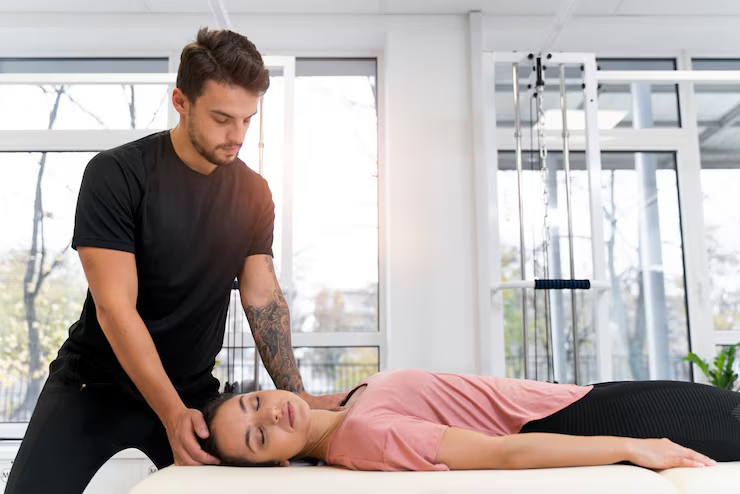
Relief massage refers to therapeutic massage techniques designed to reduce pain, ease muscle tension, and promote relaxation. Unlike purely relaxation-focused treatments, relief massage targets specific areas of discomfort and stress.
Common approaches include:
- Swedish massage
- Deep tissue massage
- Trigger point therapy
- Myofascial release
- Sports and corrective massage
The goal is to restore function, improve circulation, and calm the nervous system.
The Physical Effects of Relief Massage
Relief massage affects the body on multiple levels, from muscles and joints to circulation and the nervous system.
Reducing Muscle Tension and Pain
Muscle tension often develops due to repetitive movements, poor posture, stress, or injury. Relief massage helps by:
- Releasing tight muscle fibers
- Breaking down adhesions
- Improving flexibility and range of motion
Targeted pressure encourages muscles to relax, reducing pain and stiffness in areas such as the neck, shoulders, lower back, and hips.
Improving Circulation and Oxygen Flow
Massage stimulates blood and lymphatic circulation. Enhanced circulation:
- Delivers oxygen and nutrients to tissues
- Helps remove metabolic waste
- Supports faster recovery after physical activity
Improved circulation contributes to reduced inflammation and better tissue health.
Supporting Joint Mobility and Posture
Tight muscles can restrict joint movement and contribute to poor posture. Relief massage helps lengthen muscles and reduce imbalances that strain joints.
Over time, improved muscle flexibility can:
- Reduce joint discomfort
- Improve posture
- Lower the risk of repetitive strain injuries
Aiding Recovery From Physical Activity or Injury
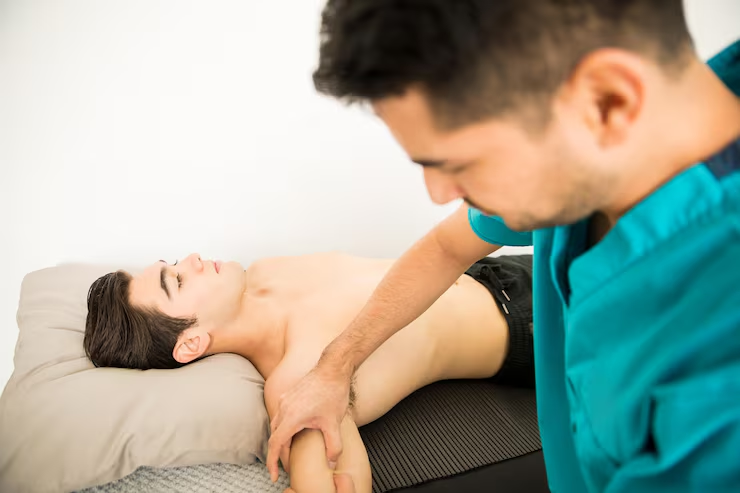
For physically active individuals, relief massage supports recovery by reducing delayed onset muscle soreness and minimizing muscle fatigue.
In rehabilitation settings, massage can complement physical therapy by:
- Increasing tissue elasticity
- Reducing scar tissue formation
- Supporting gentle movement during recovery
The Nervous System and Stress Response
The nervous system plays a central role in how the body responds to stress and pain. Relief massage directly influences this system.
Activating the Relaxation Response
Massage stimulates the parasympathetic nervous system, which governs rest and recovery. This response:
- Lowers heart rate
- Reduces blood pressure
- Slows breathing
- Promotes relaxation
As the body shifts out of “fight or flight” mode, tension decreases and healing processes are supported.
Lowering Stress Hormone Levels
Chronic stress elevates cortisol, which can contribute to inflammation, fatigue, and mood disturbances. Relief massage has been associated with reduced cortisol levels, helping restore balance within the body.
Lower stress hormones support:
- Improved immune function
- Better sleep quality
- Enhanced emotional resilience
Mental and Emotional Benefits of Relief Massage
Beyond physical effects, relief massage provides meaningful mental health benefits.
Reducing Anxiety and Mental Tension
The calming effect of massage helps quiet racing thoughts and ease anxiety. Regular sessions may:
- Reduce feelings of overwhelm
- Improve emotional regulation
- Promote a sense of safety and grounding
This makes relief massage particularly helpful for individuals managing work stress or life transitions.
Supporting Better Sleep

Sleep disturbances are often linked to stress and physical discomfort. Relief massage supports better sleep by:
- Relaxing muscles before rest
- Reducing pain that disrupts sleep
- Encouraging deeper relaxation
Improved sleep quality enhances overall mental clarity and mood.
Enhancing Mood and Emotional Well-Being
Massage has been associated with increased production of neurotransmitters such as serotonin and dopamine, which influence mood and emotional stability.
This biochemical response may contribute to:
- Improved mood
- Reduced symptoms of mild depression
- Increased sense of well-being
Relief Massage for Chronic Conditions
Relief massage is commonly used as part of a broader care plan for chronic conditions, including:
- Chronic back pain
- Arthritis
- Fibromyalgia
- Tension headaches
- Migraines
While not a cure, massage can help manage symptoms and improve quality of life when used consistently.
Benefits for Workplace and Daily Stress
Modern work environments often contribute to neck, shoulder, and lower back strain. Relief massage can counteract these effects by:
- Reducing repetitive strain
- Improving circulation during prolonged sitting
- Encouraging body awareness and posture correction
Many organizations now recognize massage as a workplace wellness tool.
Supporting Mind-Body Awareness
Relief massage encourages individuals to reconnect with their bodies. This awareness helps people recognize early signs of tension or stress, allowing for proactive self-care.
Greater body awareness supports healthier movement patterns and stress management habits.
Types of Relief Massage and Their Focus
Swedish Massage
Gentle, flowing strokes promote relaxation and circulation.
Deep Tissue Massage
Focused pressure targets deeper muscle layers to address chronic tension.
Trigger Point Therapy
Specific points of muscle tightness are released to relieve referred pain.
Myofascial Release
Targets connective tissue to improve flexibility and reduce restriction.
Each approach supports physical and mental well-being in different ways.
How Often Relief Massage Is Beneficial
Frequency depends on individual needs. Some people benefit from:
- Weekly sessions for chronic pain or high stress
- Biweekly sessions for maintenance
- Monthly sessions for general wellness
Consistency enhances long-term benefits.
Integrating Massage Into a Wellness Routine

Relief massage is most effective when combined with:
- Regular movement or exercise
- Stretching and posture awareness
- Adequate hydration
- Stress management practices
Together, these habits support lasting well-being.
Safety and Considerations
Relief massage is generally safe, but individuals with certain medical conditions should consult a healthcare provider before beginning treatment.
Communication with a qualified massage therapist ensures appropriate pressure and technique selection.
Choosing a Qualified Massage Therapist
When selecting a therapist, consider:
- Proper certification and licensing
- Experience with specific concerns
- Clear communication style
- Professional treatment environment
A skilled therapist tailors sessions to individual needs.
The Role of Touch in Human Health
Touch is a fundamental human need. Relief massage provides structured, therapeutic touch that supports emotional regulation and physical comfort.
This connection plays an important role in holistic health.
Long-Term Benefits of Regular Relief Massage
Over time, consistent massage therapy may contribute to:
- Reduced chronic pain
- Improved stress resilience
- Enhanced mobility
- Better sleep patterns
- Greater emotional balance
These benefits extend beyond individual sessions.
Final Thoughts
Relief massage supports physical and mental well-being by addressing muscle tension, reducing stress, and calming the nervous system. Its benefits extend beyond temporary relaxation, offering meaningful support for pain management, emotional health, and overall quality of life.
When incorporated thoughtfully into a wellness routine, relief massage becomes a powerful tool for restoring balance, comfort, and confidence in daily living.


