

Understanding a Common Yet Often Overlooked Eye Condition
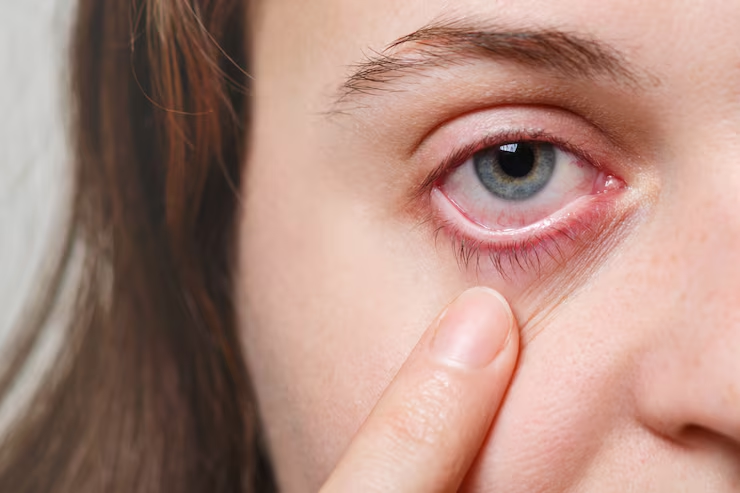
Dry eye disease is one of the most common eye conditions worldwide, affecting millions of people of all ages. While often dismissed as a minor irritation, dry eyes can significantly impact comfort, vision quality, and daily life if left untreated.
This article explains what causes dry eyes, how symptoms develop, who is most at risk, and the most effective treatment options available today.
What Are Dry Eyes?
Dry eyes occur when the eyes do not produce enough tears or when tears evaporate too quickly. Healthy tears are essential for:
- Lubricating the eye surface
- Protecting against infection
- Providing clear vision
The tear film consists of three layers:
- Oil layer (prevents evaporation)
- Water layer (provides moisture)
- Mucus layer (helps tears spread evenly)
Disruption in any of these layers can lead to dry eye symptoms.
Common Symptoms of Dry Eyes
Dry eye symptoms may vary in severity and include:
- Burning or stinging sensation
- Grittiness or feeling of sand in the eyes
- Redness and irritation
- Blurred or fluctuating vision
- Sensitivity to light
- Excessive tearing (a reflex response to dryness)
Symptoms often worsen during activities that reduce blinking, such as reading or screen use.
What Causes Dry Eyes?
Dry eyes can develop due to multiple overlapping factors. Understanding the cause is key to choosing the right treatment.
Aging and Hormonal Changes
Tear production naturally decreases with age. Dry eye disease is more common in adults over 50, especially women.
Hormonal changes — particularly during menopause — can affect tear quality and quantity, making dry eyes more frequent and persistent.
Prolonged Screen Use and Reduced Blinking
Extended use of computers, smartphones, and tablets reduces blink frequency. Fewer blinks mean:
- Increased tear evaporation
- Poor tear distribution
This is one of the leading causes of dry eyes in working-age adults.
Environmental Factors
Certain environments increase tear evaporation:
- Air conditioning and heating systems
- Windy or dry climates
- Smoke or air pollution
Indoor environments with low humidity are a common contributor to chronic dryness.
Medical Conditions Linked to Dry Eyes
Several health conditions increase the risk of dry eyes, including:
- Sjögren’s syndrome
- Rheumatoid arthritis
- Lupus
- Diabetes
- Thyroid disorders
These conditions may interfere with tear gland function or nerve signaling.
Medication Side Effects

Many commonly used medications can reduce tear production, such as:
- Antihistamines
- Antidepressants
- Blood pressure medications
- Decongestants
- Hormone replacement therapy
If symptoms appear after starting a new medication, consult a healthcare provider.
Contact Lens Use
Contact lenses can interfere with the tear film and increase evaporation. Long-term use or wearing lenses for extended hours may worsen dryness and irritation.
Eye Surgery and Medical Procedures
Procedures such as LASIK can temporarily disrupt tear production and nerve sensitivity. While dryness often improves over time, some individuals experience longer-lasting symptoms.
Incomplete Eyelid Closure and Blinking Disorders
Conditions that prevent complete eyelid closure — such as facial nerve disorders or eyelid malposition — can leave the eye surface exposed, increasing evaporation.
Diagnosing Dry Eye Disease
Diagnosis typically involves:
- Symptom evaluation
- Tear production tests
- Tear film stability assessment
- Eye surface examination
An eye care professional can determine the type and severity of dry eye disease.
How Dry Eyes Can Be Treated
Treatment depends on the underlying cause and severity. Most people benefit from a combination of approaches.
Artificial Tears and Lubricating Eye Drops
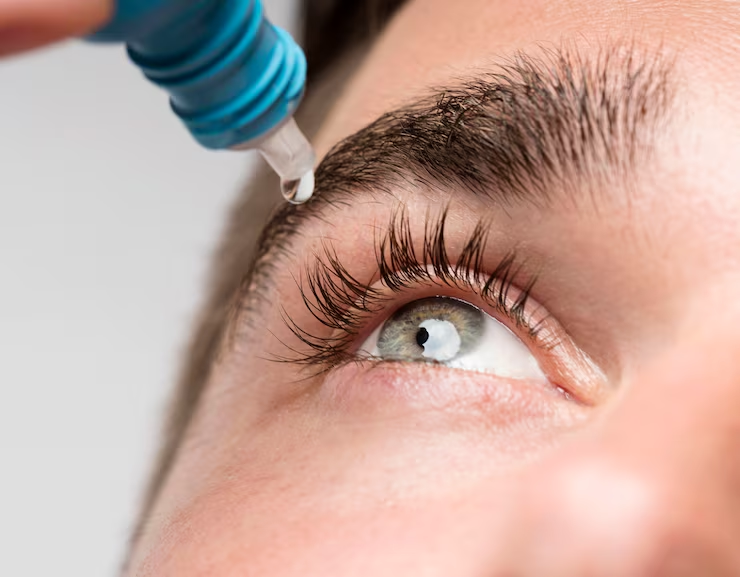
Over-the-counter artificial tears are often the first line of treatment. They help supplement natural tears and reduce irritation.
Preservative-free drops are recommended for frequent use.
Lifestyle and Environmental Adjustments
Simple changes can reduce symptoms:
- Take regular breaks from screens
- Use humidifiers indoors
- Wear wraparound sunglasses outdoors
- Blink consciously during prolonged tasks
These steps reduce tear evaporation and eye strain.
Warm Compresses and Eyelid Hygiene
Warm compresses help unclog oil glands in the eyelids, improving tear quality. Regular eyelid cleaning removes debris and bacteria that may worsen dryness.
This is especially helpful for people with meibomian gland dysfunction.
Prescription Medications
For moderate to severe dry eye disease, prescription treatments may be recommended, including:
- Anti-inflammatory eye drops
- Medications that increase tear production
These treatments target inflammation and improve tear stability over time.
Punctal Plugs
Punctal plugs are small devices inserted into tear ducts to slow tear drainage. This allows natural and artificial tears to stay on the eye surface longer.
The procedure is quick and reversible.
Advanced and In-Office Treatments
Newer therapies include:
- Thermal pulsation treatments
- Light-based therapies
- Tear film stimulation procedures
These options are typically used when standard treatments are insufficient.
Treating Dry Eyes Related to Contact Lenses
Switching to daily disposable lenses, limiting wear time, or using specialty lenses can reduce dryness. In some cases, taking a break from contacts improves symptoms significantly.
Managing Dry Eyes at Night

Nighttime dryness can be managed with:
- Lubricating eye ointments
- Moisture goggles
- Ensuring eyelids close fully during sleep
Better nighttime lubrication improves morning comfort.
Nutrition and Eye Health
Certain nutrients support tear quality, including omega-3 fatty acids. Foods such as fatty fish, flaxseed, and walnuts may help reduce inflammation associated with dry eyes.
Dietary changes should complement, not replace, medical treatment.
When to See an Eye Care Professional
Seek professional care if:
- Symptoms persist despite over-the-counter treatment
- Vision is affected
- Eye pain increases
- Redness or discharge develops
Early intervention prevents complications and improves long-term comfort.
Long-Term Outlook for Dry Eye Disease
Dry eye disease is often chronic but manageable. With proper treatment, most people experience significant symptom relief and improved quality of life.
Consistent care and regular eye exams are key to controlling symptoms.
Preventing Dry Eyes From Worsening
Prevention strategies include:
- Managing underlying health conditions
- Limiting environmental exposure
- Staying hydrated
- Following prescribed treatment plans
Proactive care reduces flare-ups and discomfort.
Final Thoughts
Dry eyes are a common condition with many possible causes — from aging and screen use to medical conditions and medications. While symptoms may start mild, untreated dry eye disease can affect vision and daily comfort.
Understanding the cause of dry eyes and choosing appropriate treatments allows most individuals to manage symptoms effectively and protect long-term eye health.
If dryness interferes with daily activities or comfort, professional evaluation is an important step toward relief.


