

Separating Evidence, Expectations, and Practical Use
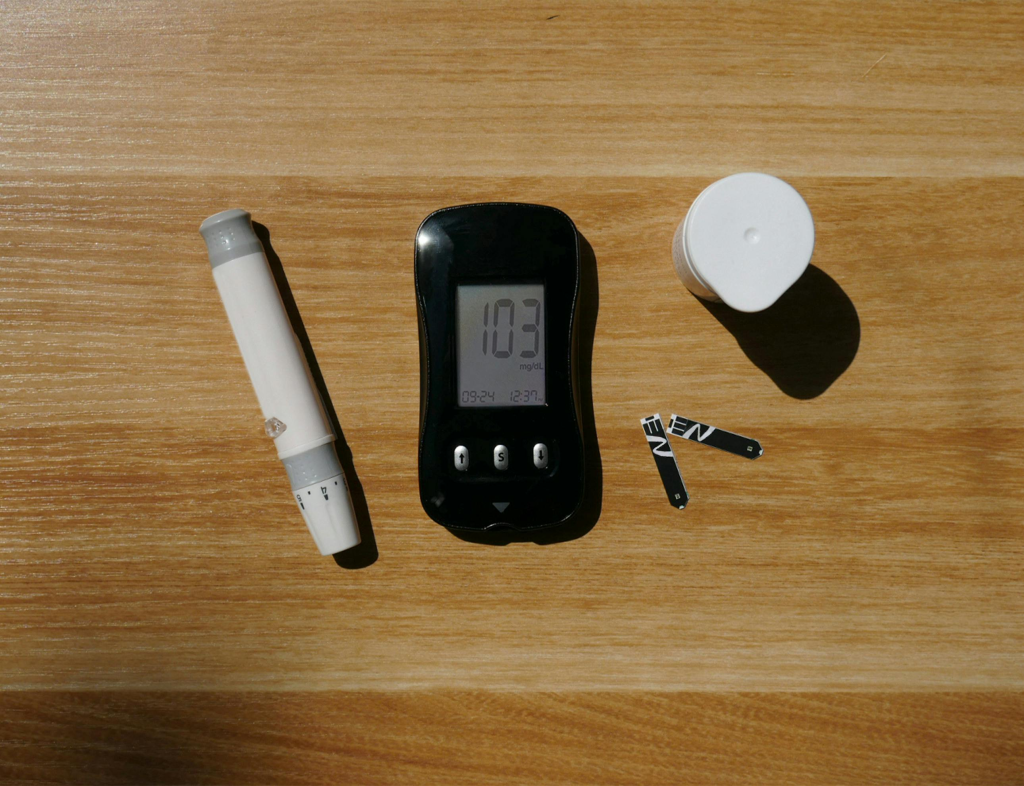
Blood sugar supplements are widely marketed as a convenient way to support glucose control. With diabetes affecting millions of adults, many people wonder whether these supplements actually help manage blood sugar — or whether they are simply another wellness trend.
This article takes a balanced, evidence-aware look at what blood sugar supplements are, how they are intended to work, what ingredients are commonly used, and how they fit into real diabetes management. It also explains limitations, safety considerations, and what to discuss with a healthcare provider before use.
Understanding Diabetes and Blood Sugar Control
Diabetes is a chronic condition characterized by elevated blood glucose levels due to insufficient insulin production, reduced insulin sensitivity, or both. Long-term high blood sugar increases the risk of complications affecting the heart, kidneys, eyes, nerves, and blood vessels.
Effective management typically includes:
- Medical treatment as prescribed
- Consistent monitoring of blood glucose
- Nutrition and lifestyle changes
- Physical activity
Supplements, if used, are considered adjuncts, not replacements, for proven therapies.
What Are Blood Sugar Supplements?
Blood sugar supplements are dietary products formulated to support glucose metabolism, insulin sensitivity, or carbohydrate processing. They are typically available over the counter and marketed for:
- Supporting healthy blood sugar levels
- Enhancing insulin response
- Reducing post-meal glucose spikes
Unlike prescription medications, supplements are not approved to diagnose, treat, or cure diabetes.
Common Ingredients Found in Blood Sugar Supplements
Many supplements share similar ingredient profiles. Understanding these components helps clarify their intended role.
Chromium
Chromium is a trace mineral involved in insulin signaling. Some research suggests chromium deficiency may impair glucose control, though benefits from supplementation vary among individuals.
Cinnamon Extract

Cinnamon has been studied for its potential to improve insulin sensitivity and reduce fasting blood sugar. Results are mixed, and effects tend to be modest.
Berberine
Berberine is a plant-derived compound that has shown promise in improving insulin sensitivity and glucose metabolism in some studies. It may affect the gut microbiome and liver glucose production.
Alpha-Lipoic Acid
Alpha-lipoic acid is an antioxidant sometimes used to support nerve health. It may also play a role in glucose metabolism and insulin sensitivity.
Magnesium
Magnesium is involved in hundreds of metabolic processes. Low magnesium levels are associated with insulin resistance, but supplementation benefits depend on baseline deficiency.
Herbal Blends
Some supplements include herbal ingredients such as gymnema, bitter melon, fenugreek, or banaba. These herbs are traditionally used in glucose support but vary widely in quality and potency.
How Blood Sugar Supplements Are Intended to Work
Most blood sugar supplements aim to support one or more of the following:
- Improved insulin sensitivity
- Reduced glucose absorption from carbohydrates
- Support for pancreatic function
- Improved cellular glucose uptake
These mechanisms are supportive rather than corrective and typically produce small to moderate effects.
What the Research Actually Shows
Scientific studies on blood sugar supplements vary in quality and results. While some ingredients show potential benefits, findings are inconsistent and often depend on:
- Dosage
- Duration of use
- Individual metabolic differences
- Diet and lifestyle factors
No supplement has been shown to reliably replace standard diabetes treatments.
Can Supplements Replace Diabetes Medication?
Blood sugar supplements should not replace prescribed diabetes medications. Discontinuing or reducing medication without medical supervision can lead to dangerous blood sugar fluctuations.
In some cases, supplements may be used alongside medical treatment with professional guidance, but they are not standalone therapies.
Potential Benefits Some Users Experience
Some individuals report:
- Slight improvements in fasting glucose
- Reduced post-meal spikes
- Improved energy levels
These effects are often subtle and most noticeable when supplements are combined with dietary changes and regular activity.
Limitations and Risks to Consider
Inconsistent Quality
Supplements are not regulated as strictly as medications. Product quality, ingredient purity, and dosing accuracy can vary between brands.
Possible Drug Interactions
Some ingredients may interact with diabetes medications, blood pressure drugs, or anticoagulants. This can increase the risk of low blood sugar or other side effects.
Over-Reliance on Supplements
Relying on supplements without addressing diet, activity, and medical care can delay effective management and worsen long-term outcomes.
Who Might Benefit Most From Supplements
Blood sugar supplements may be more appropriate for:
- Individuals with prediabetes
- Those with mild glucose dysregulation
- People with documented nutrient deficiencies
- Patients under medical supervision
Even in these cases, supplements are supportive rather than primary interventions.
Who Should Be Especially Cautious
Extra caution is advised for:
- People taking insulin or sulfonylureas
- Individuals with kidney or liver disease
- Pregnant or breastfeeding individuals
Professional guidance is essential before starting any supplement.
Lifestyle Changes That Matter More Than Supplements
Research consistently shows that lifestyle changes have a greater impact on blood sugar than supplements alone.
Key factors include:
- Balanced carbohydrate intake
- Fiber-rich meals
- Regular physical activity
- Adequate sleep
- Stress management
Supplements cannot compensate for an unbalanced lifestyle.
Reading Supplement Labels Carefully

When evaluating supplements:
- Check ingredient amounts
- Avoid proprietary blends with undisclosed dosages
- Look for third-party testing certifications
- Be cautious of exaggerated claims
Products promising dramatic results should raise concerns.
Talking With Your Healthcare Provider
Before starting any blood sugar supplement, discuss:
- Current medications
- Blood glucose patterns
- Kidney and liver health
- Possible interactions
This conversation helps ensure safety and realistic expectations.
Setting Realistic Expectations
Blood sugar supplements are best viewed as supportive tools, not solutions. Any benefit is typically gradual and modest, especially compared to proven medical and lifestyle strategies.
Understanding this prevents disappointment and promotes informed decision-making.
Integrating Supplements Safely If Chosen
If supplements are used:
- Introduce one product at a time
- Monitor blood glucose closely
- Watch for symptoms of low blood sugar
- Stop use if adverse effects occur
Tracking changes helps determine whether the supplement offers value.
Marketing vs Medical Reality
Many supplement advertisements oversimplify diabetes management. Diabetes is complex, and no single pill can address all contributing factors.
Critical evaluation of marketing claims protects consumers from unrealistic expectations.
The Bottom Line on Blood Sugar Supplements
Blood sugar supplements may provide limited support for some individuals, particularly when combined with lifestyle improvements and medical care. However, they are not substitutes for diabetes medications, nutrition therapy, or regular monitoring.
Their effectiveness depends on the individual, the specific ingredients, and the overall management plan.
Final Thoughts
Blood sugar supplements can play a supporting role for certain people, but they are not a cure or primary treatment for diabetes. Evidence suggests that while some ingredients may modestly influence glucose metabolism, long-term blood sugar control relies on consistent medical care and lifestyle management.
Anyone considering supplements should approach them with informed caution, realistic expectations, and guidance from a healthcare professional.
Effective diabetes management remains a comprehensive, personalized process — and supplements are just one small part of that picture.


