
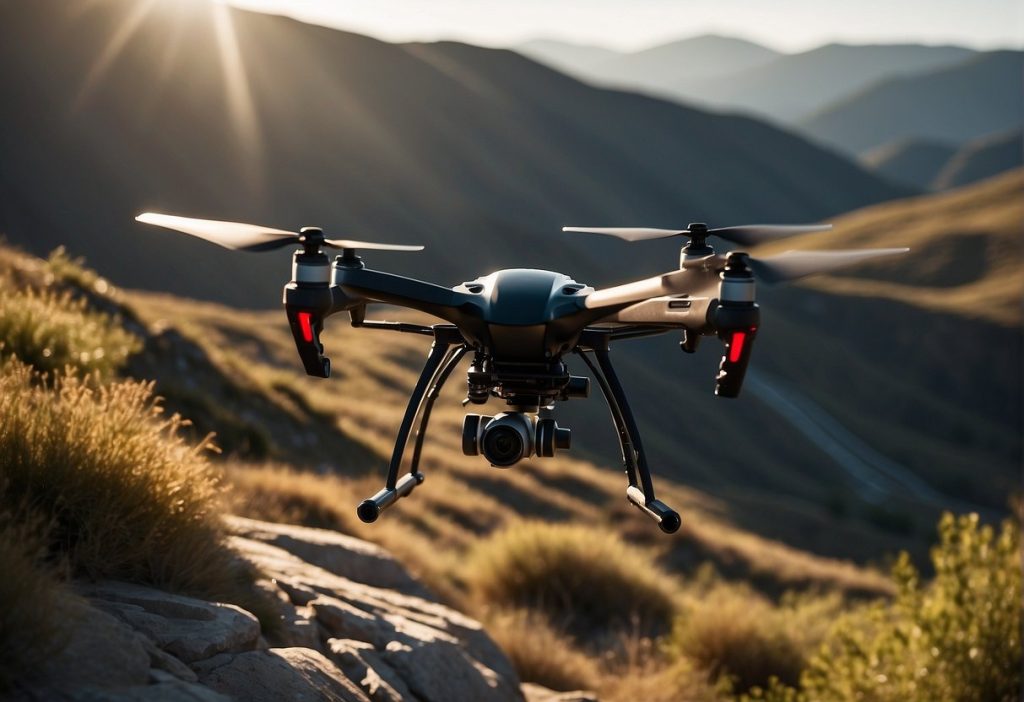
A New Way of Seeing the World
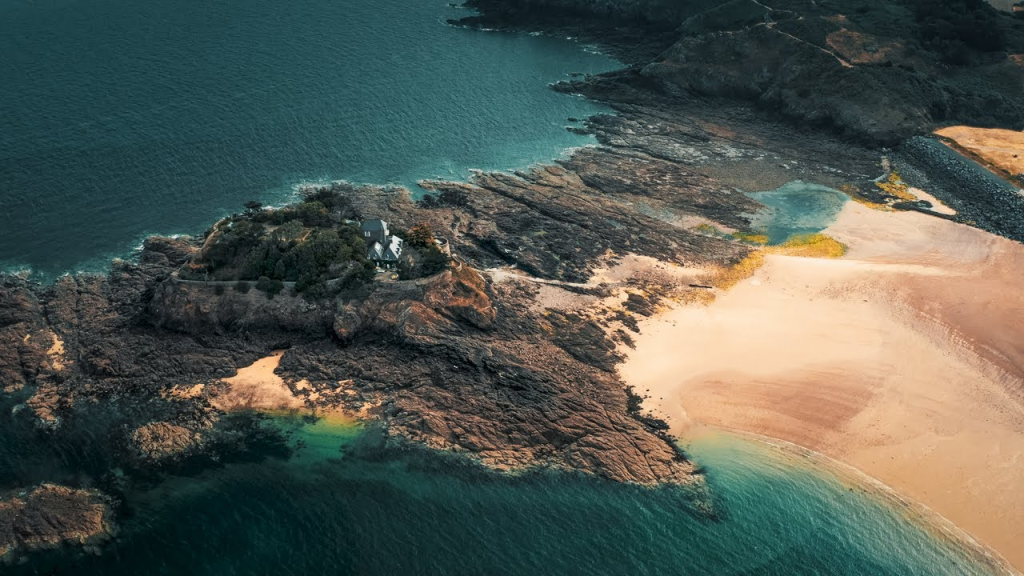
For most of photography’s history, the camera stayed close to the ground. Images reflected the human point of view — eye-level, limited by buildings, terrain, and access. That perspective shaped how people understood places, events, and stories.
Drone photography changed that almost overnight.
By lifting cameras into the air, drones unlocked perspectives once reserved for helicopters and aircraft. Today, aerial imagery is everywhere — from travel websites and real estate listings to news articles and social media feeds. Modern imagery has become broader, more immersive, and more emotionally powerful because of it.
From Ground-Level Views to Aerial Storytelling
Traditional photography focuses on details. Drone photography focuses on context.
Aerial imagery shows how elements relate to each other: roads winding through cities, buildings interacting with landscapes, crowds forming patterns. This shift transformed photography from documenting moments into telling spatial stories.
Modern imagery now answers questions viewers didn’t even know they had:
- Where is this happening?
- How big is it?
- How does it connect to its surroundings?
That added depth makes drone imagery more engaging and memorable.
Why Aerial Images Feel So Captivating
Drone photography triggers a psychological response. Humans are naturally drawn to views they don’t usually experience. Seeing the world from above sparks curiosity, awe, and a sense of freedom.
Aerial images also highlight symmetry and patterns — something the human brain processes quickly and finds visually satisfying. This is why drone photos often feel instantly striking, even without heavy editing.
In modern imagery, this emotional pull translates directly into longer viewing time and stronger engagement.
Redefining Travel and Destination Imagery

Few industries were impacted as dramatically as travel.
Before drones, destinations were shown through postcards and street-level shots. Now, travelers experience entire locations at once — beaches, cliffs, resorts, and surrounding landscapes in a single frame.
Drone photography allows viewers to imagine themselves inside the scene. That sense of immersion has made aerial imagery one of the most powerful tools for travel inspiration and destination marketing in modern visual culture.
Real Estate and Architecture in a New Light
Drone photography didn’t just enhance real estate imagery — it reshaped expectations.
Buyers now expect to see:
- Property layout from above
- Neighborhood context
- Distance to parks, water, or landmarks
Modern imagery in real estate is no longer about rooms alone. It’s about lifestyle visualization, and aerial perspectives deliver that instantly.
Changing How News and Events Are Visualized
In journalism, drone photography introduced clarity and scale.
Aerial images show:
- The size of crowds
- The reach of natural disasters
- The geography of unfolding events
Instead of isolated moments, modern imagery now provides full context. This helps audiences understand stories faster and more accurately, making drone photography a powerful tool in visual reporting.
Social Media and the Rise of Cinematic Norms
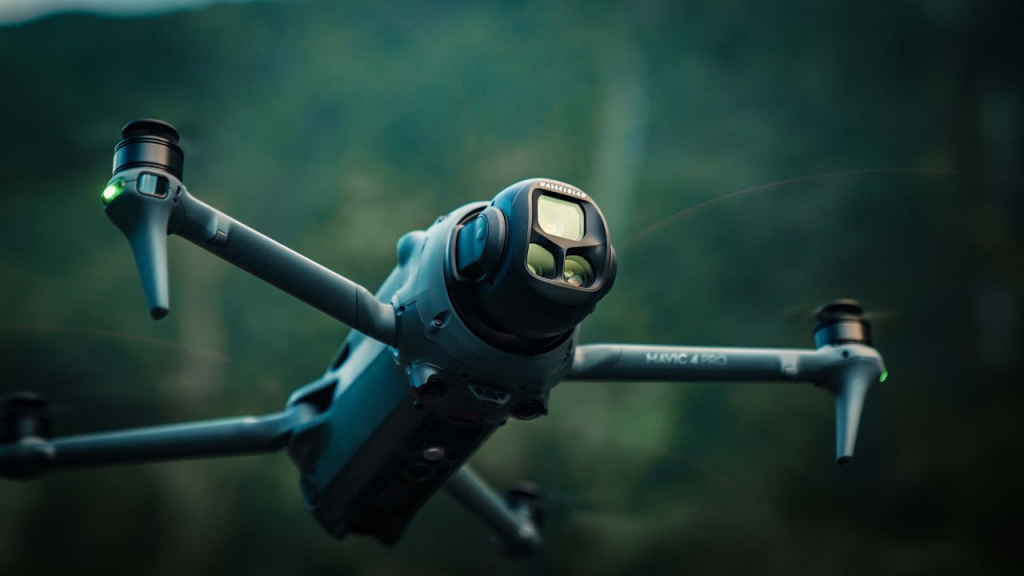
Social platforms accelerated the normalization of drone imagery. What once felt cinematic now feels expected.
Creators use aerial visuals to:
- Stop scrolling instantly
- Signal quality and professionalism
- Stand out in crowded feeds
As a result, modern imagery standards have risen. Audiences now associate elevated perspectives with credibility and production value — even in everyday content.
Branding and Commercial Visual Storytelling
Brands quickly realized that drone imagery communicates scale, ambition, and trust without saying a word.
Aerial visuals subtly suggest:
- Authority
- Innovation
- Transparency
That’s why drone photography is often used in advertorial content — it elevates perception while remaining natural and non-intrusive.
The Democratization of Visual Power
Perhaps the most significant change drone photography brought to modern imagery is accessibility.
Aerial visuals are no longer exclusive to major studios. Independent creators, small publishers, and local businesses now produce imagery that once required massive budgets.
This shift changed the creative landscape. Vision and storytelling matter more than resources — a defining trait of modern imagery today.
Ethical Awareness and Visual Responsibility
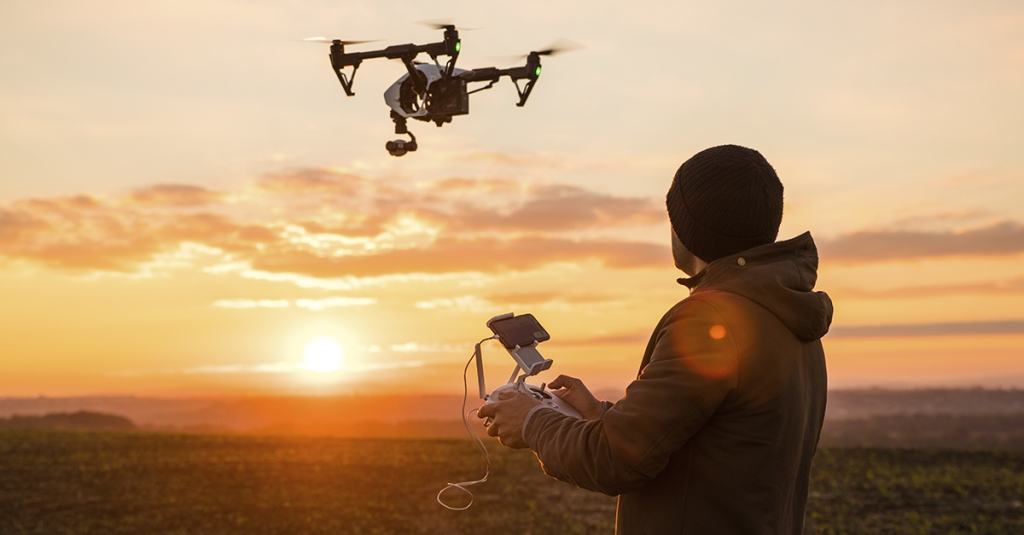
With new perspectives came new responsibilities. Drone photography raised awareness around privacy, safety, and ethical image capture.
Modern imagery now balances creative freedom with respect for space and context — shaping a more thoughtful visual culture.
Why Drone Imagery Performs So Well Online
From an SEO and monetization perspective, drone imagery excels because it:
- Increases time on page
- Encourages scrolling
- Reduces bounce rates
Search engines reward content that keeps users engaged. Aerial visuals naturally support this by holding attention longer than standard photography.
The Future of Modern Imagery
Drone photography continues to evolve. Smarter automation, better sensors, and creative storytelling are pushing aerial imagery even further.
Modern imagery is no longer limited to how we stand on the ground. It reflects how we explore, understand, and emotionally connect with the world from above.
Final Thoughts
Drone photography didn’t just change how images look — it changed how stories are told.
By offering perspective, scale, and emotion in a single frame, drones reshaped modern imagery into something more immersive and powerful. The elevated viewpoint has become part of how we see the world — and it’s here to stay.


