
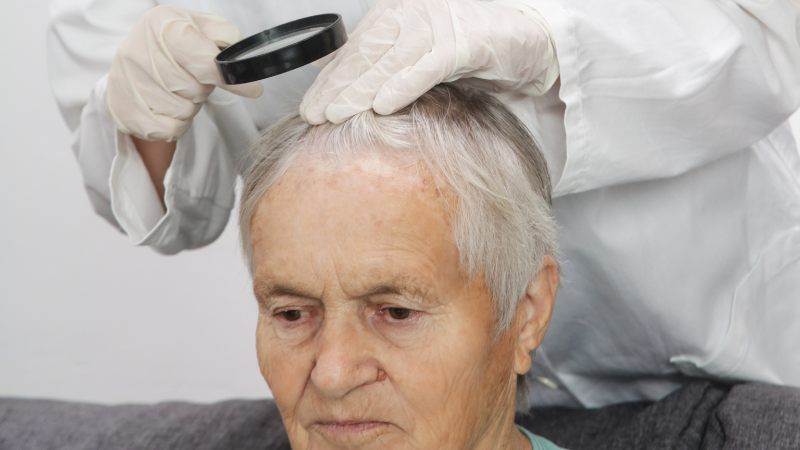
Understanding Scalp Psoriasis in Later Life
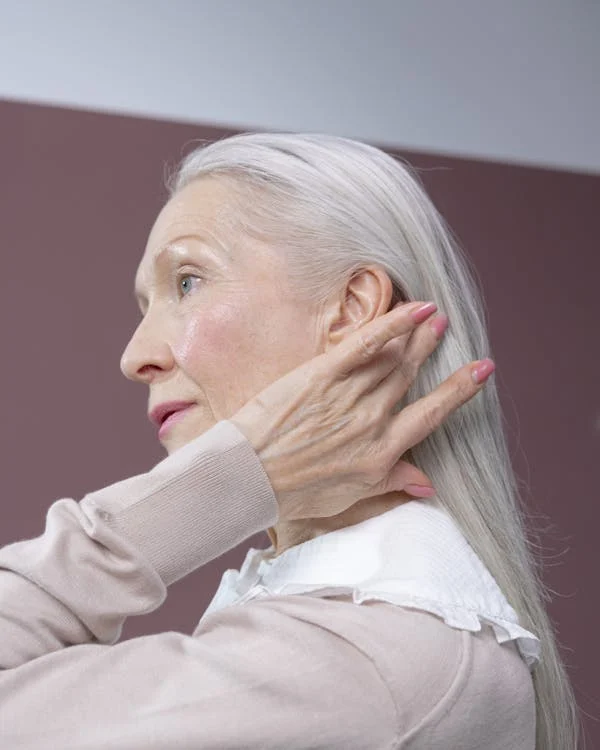
Scalp psoriasis is a chronic skin condition that causes itching, redness, and flaking on the scalp. For seniors, symptoms can feel more intense due to aging skin, slower healing, and increased sensitivity.
Managing scalp psoriasis comfortably isn’t about aggressive treatments — it’s about consistency, gentleness, and supportive care that respects aging skin.
Why Scalp Psoriasis Can Feel Worse With Age
As we age, the skin naturally becomes thinner and drier. This makes the scalp more prone to irritation and flare-ups.
Common challenges for seniors include:
- Increased dryness
- Slower skin regeneration
- Sensitivity to harsh products
Understanding these changes is the first step toward more comfortable management.
Gentle Cleansing Makes a Big Difference
[IMAGE: senior washing hair with mild shampoo]
Using the right shampoo is essential. Seniors should look for gentle, fragrance-free formulas designed for sensitive or psoriasis-prone scalps.
Helpful ingredients often include:
- Salicylic acid (to soften scales)
- Coal tar (to reduce inflammation)
- Aloe vera or glycerin (for moisture)
Washing too often can worsen dryness, while washing too little allows scale buildup. A balanced routine usually works best.
Moisturizing the Scalp Regularly
Keeping the scalp moisturized helps reduce itching and flaking. Lightweight scalp oils or medicated lotions can soothe irritation without clogging hair follicles.
Applying moisturizers after washing — when the scalp is slightly damp — helps lock in hydration and improve comfort.
Managing Itch Without Scratching
Scratching can worsen scalp psoriasis and damage fragile skin. Seniors may benefit from:
- Cool compresses
- Anti-itch scalp sprays
- Soft-bristle brushes
Reducing itch gently prevents further inflammation and discomfort.
Choosing Hair Care Products Wisely
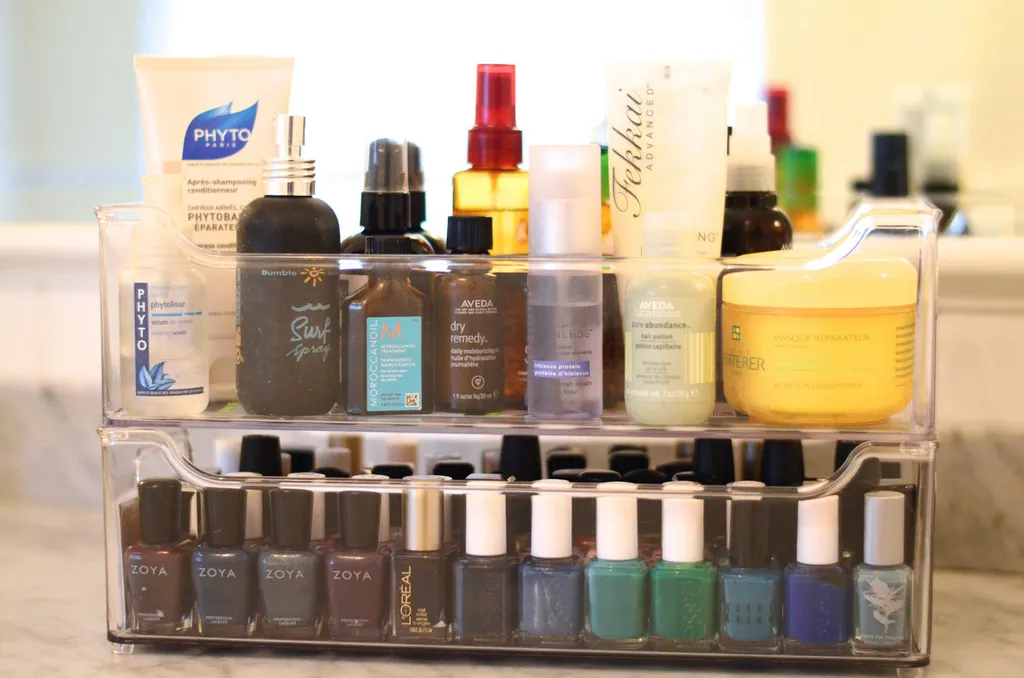
Harsh styling products can trigger flare-ups. Seniors should avoid:
- Alcohol-based sprays
- Strong fragrances
- Heavy gels or waxes
Simple, minimal routines reduce irritation and make daily care easier.
Sunlight and Lifestyle Support
Moderate sunlight exposure may help calm psoriasis symptoms. Short periods outdoors can support skin health, but the scalp should be protected from sunburn.
Stress management, balanced nutrition, and staying hydrated also play an important role in reducing flare-ups.
When to Talk to a Healthcare Professional
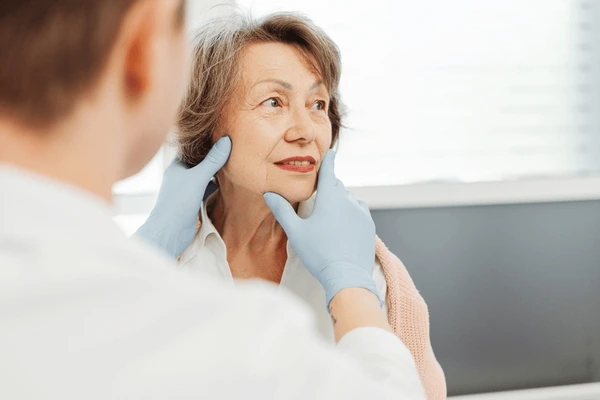
If scalp psoriasis becomes painful, spreads, or doesn’t improve with gentle care, professional guidance is important.
Doctors may recommend:
- Prescription topical treatments
- Medicated foams or solutions
- Adjustments to existing medications
Early support can prevent worsening symptoms and improve quality of life.
Making Daily Care Easier and More Comfortable
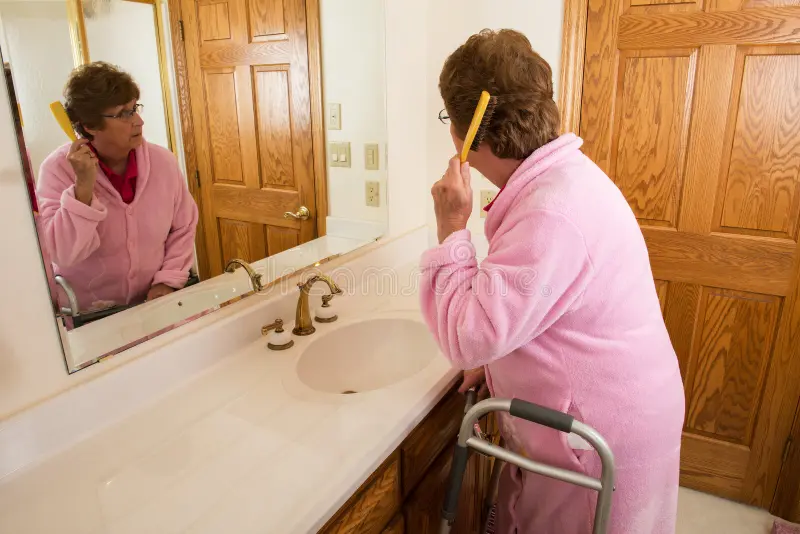
Comfort-focused routines help seniors maintain control over symptoms without frustration. Using easy-to-apply products and keeping routines simple encourages consistency.
Comfort isn’t about eliminating psoriasis entirely — it’s about reducing discomfort and protecting scalp health over time.
Why Gentle Management Works Best
Aggressive treatments can irritate aging skin. Gentle, regular care supports the scalp’s natural barrier and minimizes flare-ups without unnecessary stress.
For seniors, comfort comes from understanding triggers, using supportive products, and listening to the body’s signals.
Final Thoughts
Seniors can manage scalp psoriasis more comfortably by focusing on gentle cleansing, consistent moisturizing, itch control, and supportive lifestyle habits.
With the right approach, symptoms become easier to manage, flare-ups become less frequent, and everyday comfort improves — making scalp care simpler and more reassuring at any age.


