
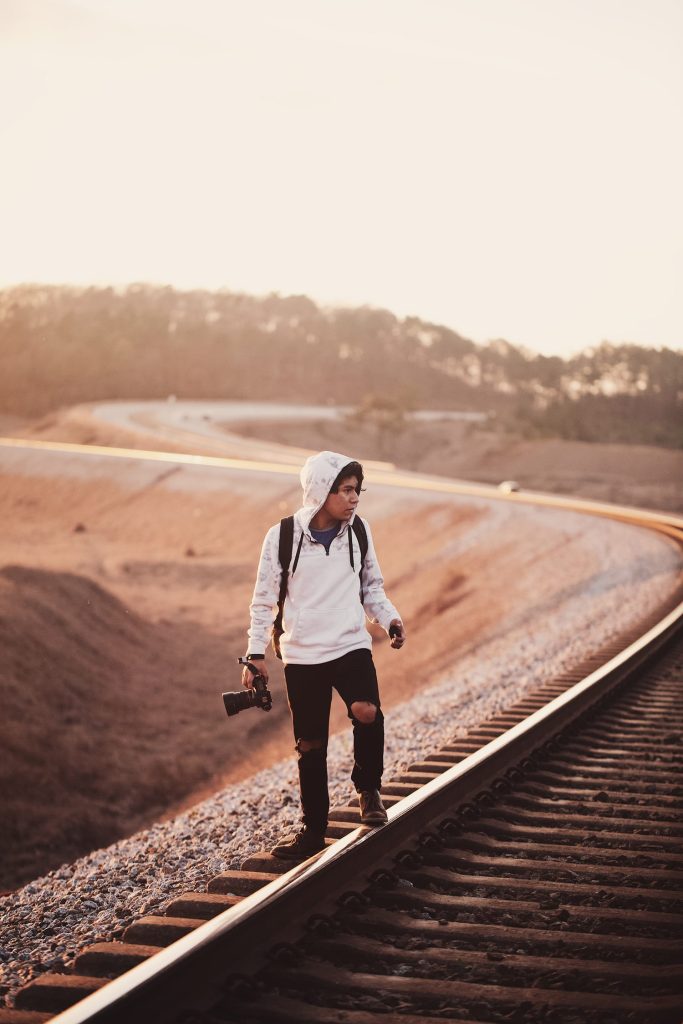
Vacation photos are supposed to capture the best moments of your life — yet most people come home disappointed. The beaches looked brighter in real life. The cities felt more alive. The sunsets felt dramatic, but the photos… don’t.
Here’s the truth most travelers don’t realize: professional-looking vacation photos have very little to do with expensive cameras. They are the result of timing, perspective, and a few powerful techniques that anyone can learn.
If you’ve ever wondered why some travel photos look cinematic, effortless, and magazine-worthy — while others feel flat — this guide explains exactly how to elevate your vacation photos like a pro.
Why Most Vacation Photos Look Average (And How Pros Avoid This)
Most tourists make the same mistakes:
- Shooting everything at eye level
- Photographing landmarks instead of moments
- Ignoring light direction
- Overusing filters
- Rushing instead of observing
Professional photographers approach travel differently. They don’t document places — they translate experiences into images.
Once you understand that difference, your photos instantly improve.
1. Think Like a Photographer, Not a Tourist
Before lifting your phone or camera, pause.
Ask yourself:
- What makes this moment special?
- What emotion does this place create?
- What detail would disappear if I weren’t paying attention?
Pros don’t shoot constantly. They wait. They observe how people move, how light changes, how reflections appear. Often, the best photo comes after everyone else has already walked away.
2. Use Composition That Instantly Looks Professional

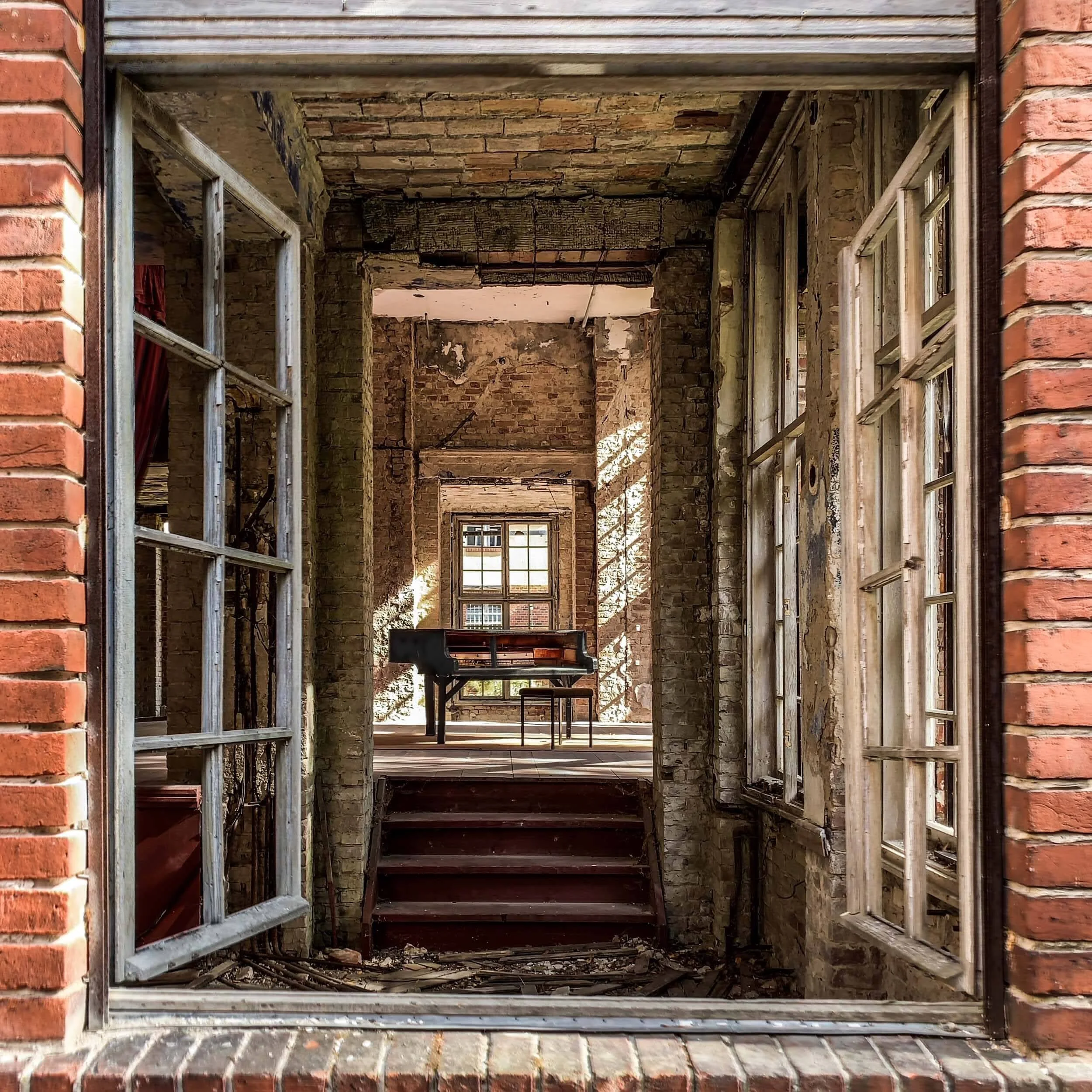

You don’t need complex theory. Just a few composition habits separate amateurs from pros.
The Rule of Thirds
Place your subject slightly off-center. Photos immediately feel more dynamic and balanced.
Natural Framing
Use doorways, arches, windows, trees, or shadows to frame your subject. This guides the viewer’s eye exactly where you want it.
Create Depth
Add layers:
- Foreground (hands, flowers, railings)
- Subject
- Background (city, sea, mountains)
Depth makes photos feel immersive instead of flat.
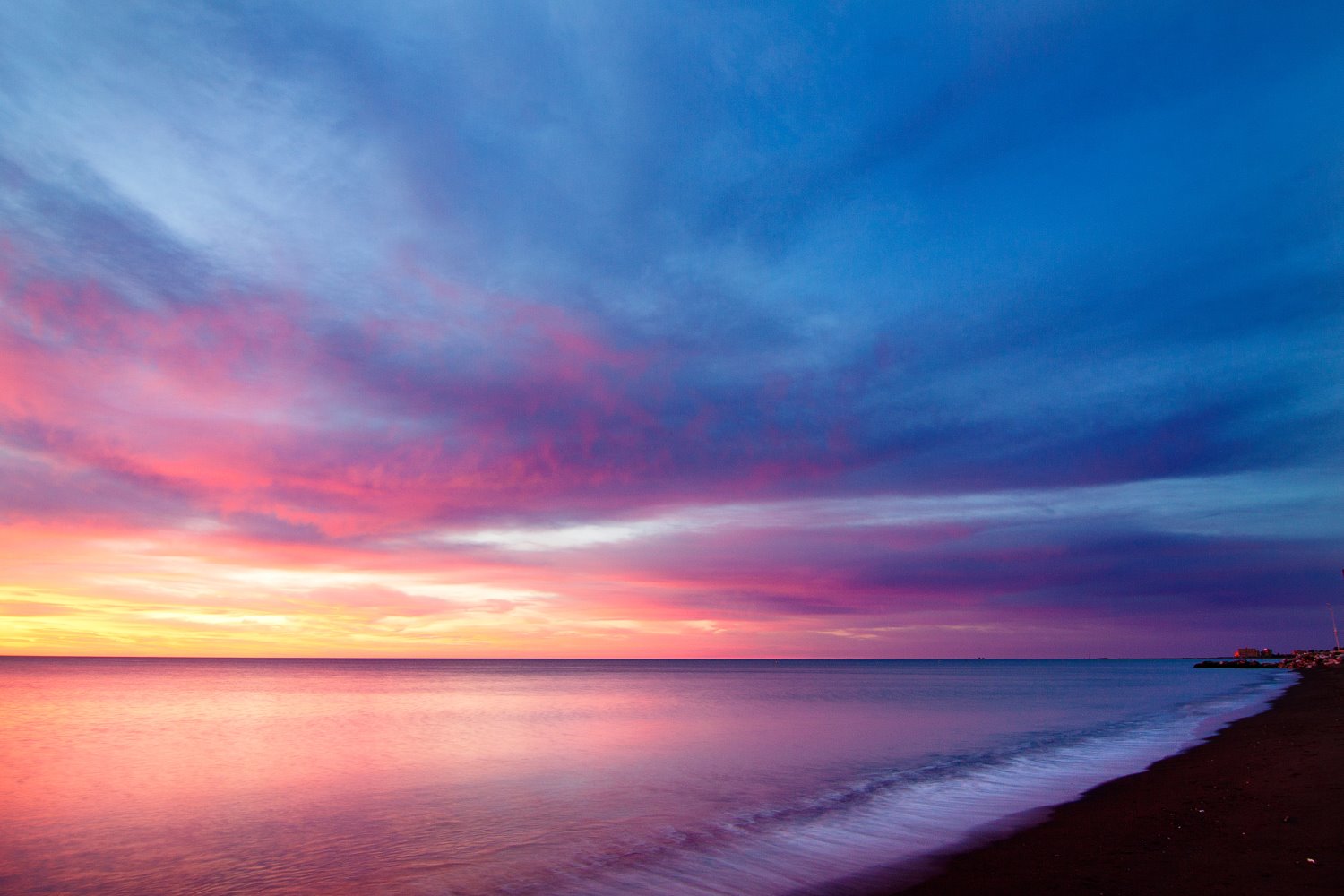
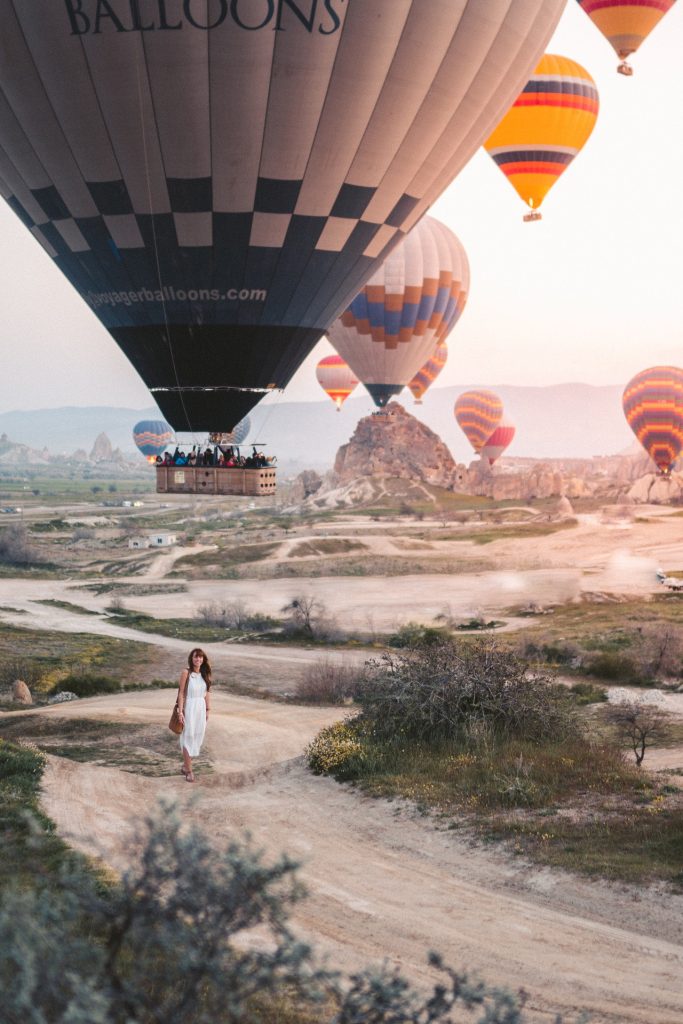
3. Light Is More Important Than Location

5
The same place can look ordinary or extraordinary depending on light.
Golden Hour Is Everything
Shoot:
- Early morning
- Late afternoon
- Just before sunset
This light is softer, warmer, and more flattering for skin, landscapes, and architecture.
Avoid Harsh Midday Sun
If you must shoot midday:
- Stay in open shade
- Position the sun behind your subject
- Use silhouettes intentionally
Professional photos often look cinematic because they embrace light — not fight it.
4. Stop Photographing Only Famous Landmarks

5
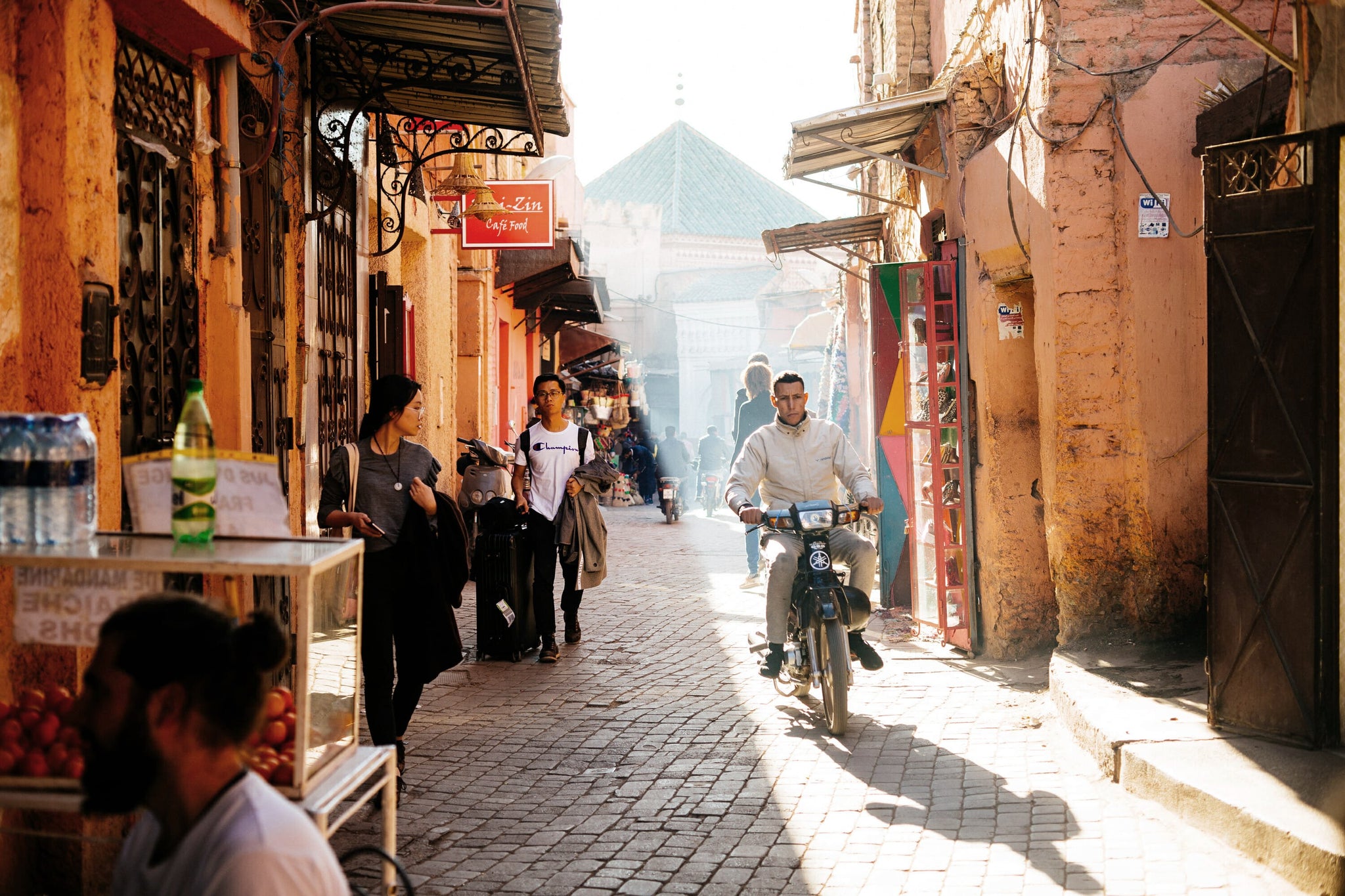
Everyone has the same landmark photos. What makes yours different are details and context.
Photograph:
- Coffee cups on café tables
- Street signs
- Local food preparation
- Hotel hallways
- Reflections in windows
- Hands holding souvenirs
A powerful trick professionals use is the story sequence:
- Wide shot (where you are)
- Medium shot (what’s happening)
- Close-up (how it feels)
This turns random photos into a visual story.
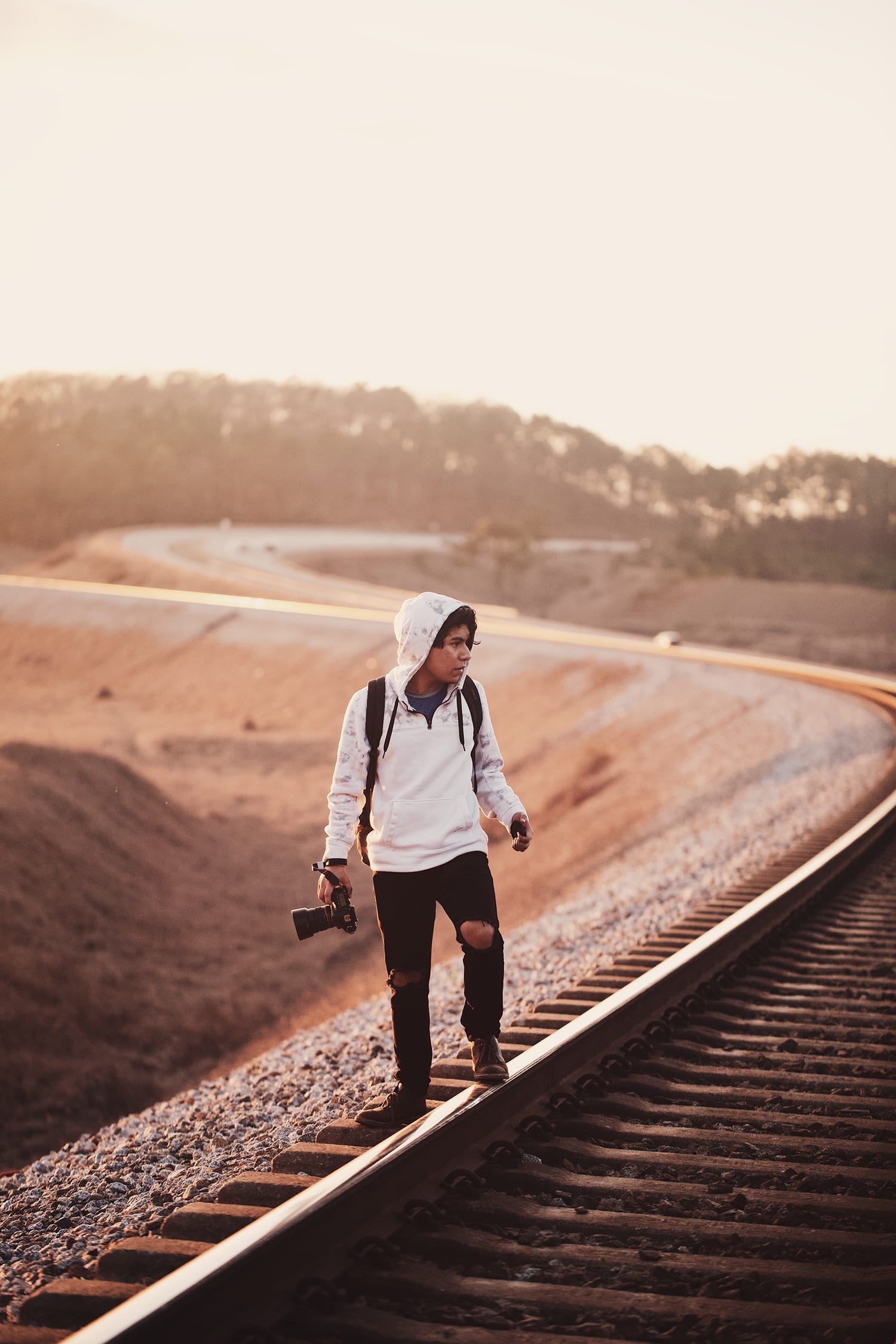
5. How to Pose Without Looking Staged

5
Stiff poses instantly make photos look amateur.
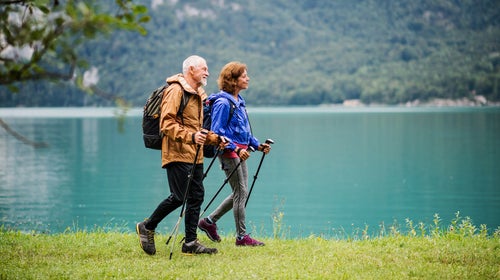
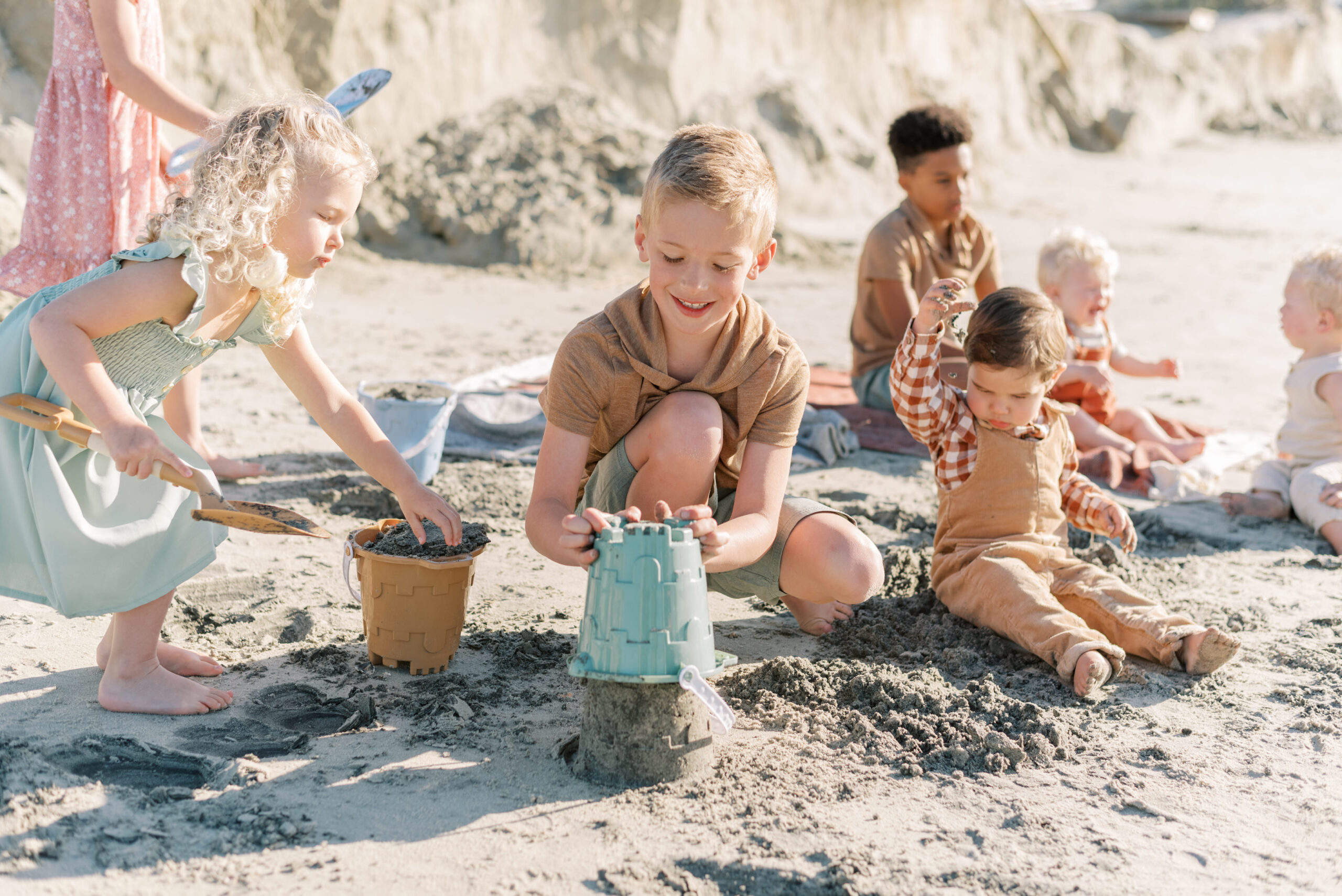
Instead of posing, create movement:
- Walk naturally
- Adjust sunglasses
- Look away from the camera
- Interact with your surroundings
Looking away from the camera often feels more editorial and authentic.
Professionals shoot many frames — the best photo usually happens between poses.
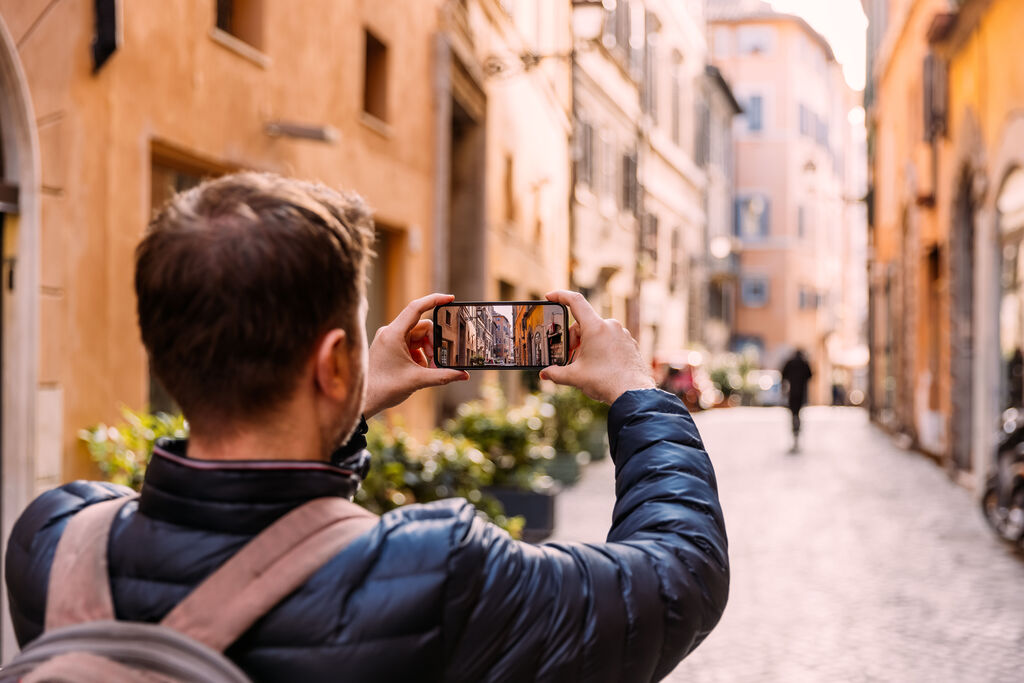
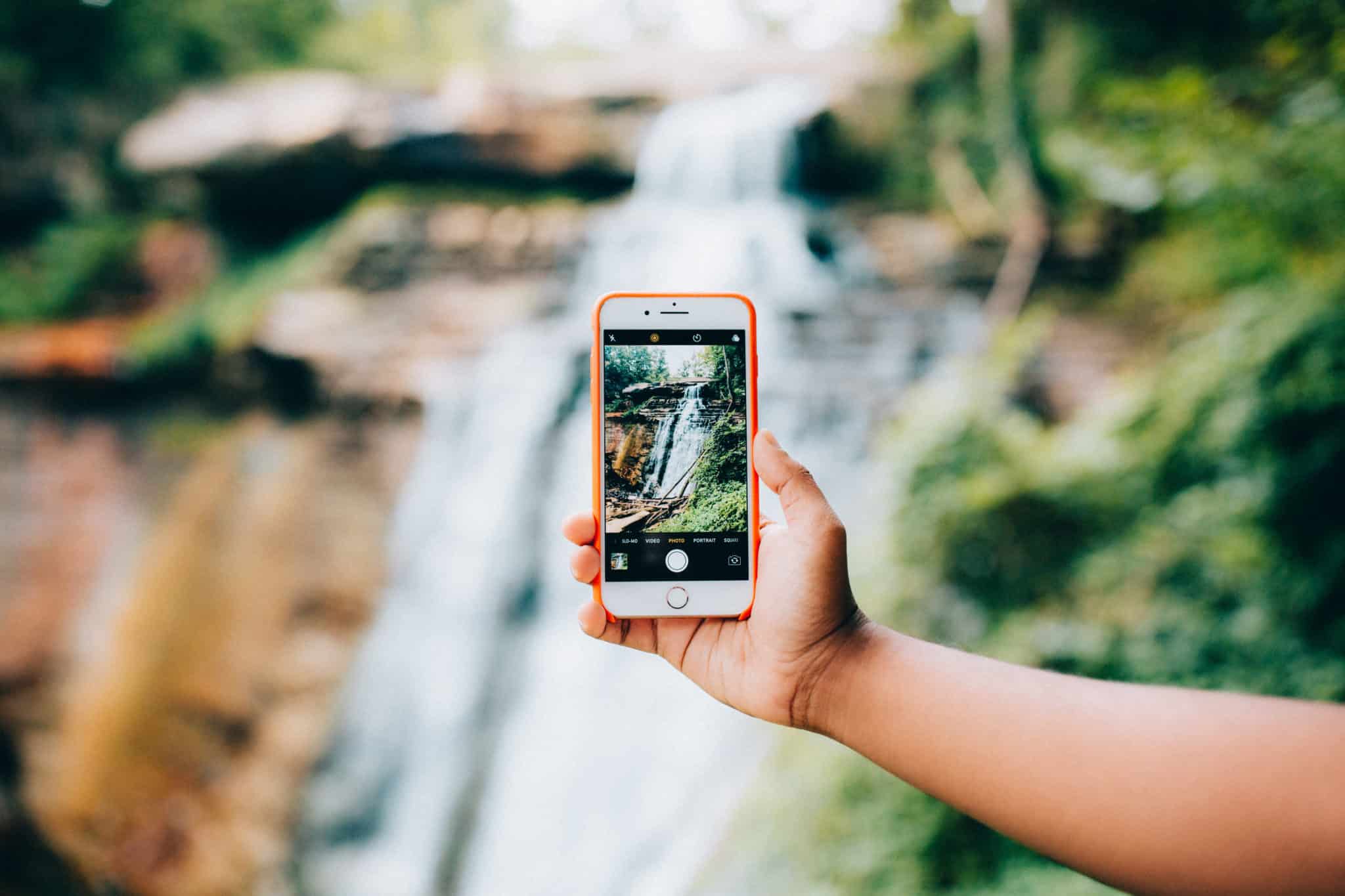
6. Use Your Smartphone Like a Pro Camera


5
Modern smartphones are powerful — if used correctly.
Clean the Lens
This alone improves sharpness more than any app.
Control Exposure
Tap and hold to lock focus. Manually adjust brightness instead of trusting auto mode.
Don’t Overuse Portrait Mode
Portrait mode works best with:
- Clear subject separation
- Simple backgrounds
- Good lighting
Sometimes normal mode looks more natural and professional.
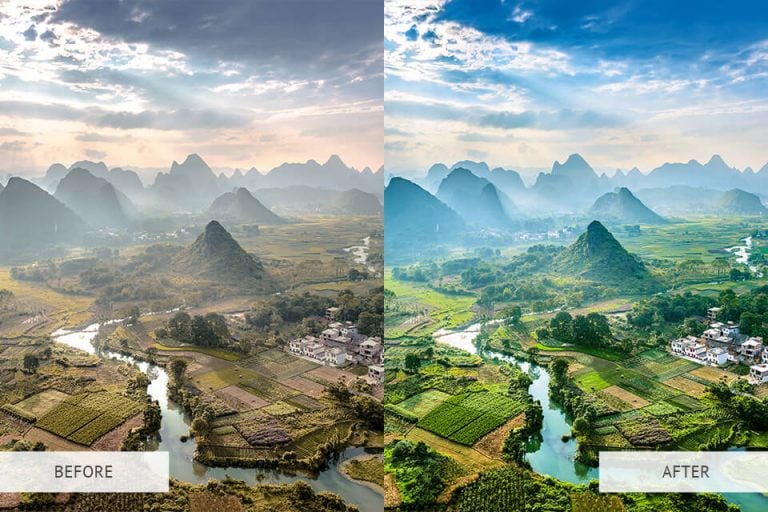
7. Edit Like a Professional (Without Overdoing It)

5
Editing doesn’t mean fake. It means refined.
Professionals aim for consistency, not perfection.
Simple Editing Formula
- Slightly increase brightness
- Reduce highlights
- Lift shadows gently
- Add warmth carefully
- Increase clarity minimally
Avoid heavy saturation. Natural tones age better and look more expensive.
Presets can help, but always fine-tune manually.
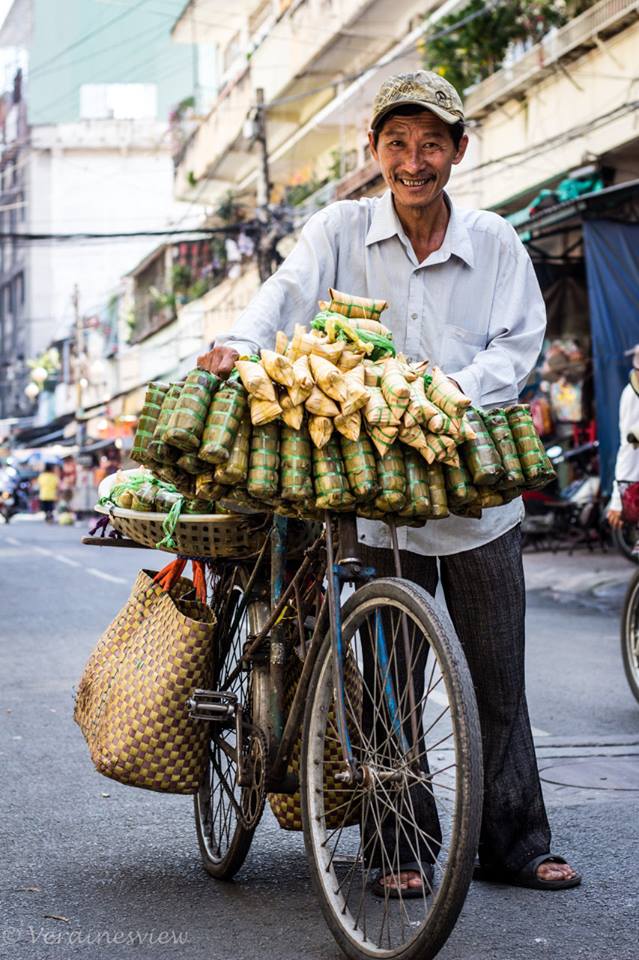
8. Tell a Story With Your Vacation Photos

5
The most engaging travel photos don’t stand alone — they connect.
Think in chapters:
- Arrival
- Exploration
- Quiet moments
- People
- Details
- Departure
When photos flow together, viewers stay longer — which is exactly what high-performing content needs.
9. Why Imperfect Photos Often Perform Better
Some of the most powerful vacation photos are:
- Slightly blurry
- Grainy
- Crooked
- Unplanned
Emotion beats technical perfection.
If a photo makes people feel something, they stop scrolling.
That’s why real moments outperform polished stock images in engagement-driven content.
10. Vacation Photography Mistakes That Kill Engagement
Avoid these common errors:
- Shooting everything from the same angle
- Zooming instead of moving closer
- Over-filtering
- Ignoring people
- Over-editing skin and skies
- Photographing places instead of moments
Professional photography is about restraint.
Final Thoughts: The Real Secret Pros Use
The biggest difference between average and professional vacation photos isn’t gear — it’s attention.
Professionals:
- Watch light
- Anticipate movement
- Wait for moments
- Shoot with intention
Once you slow down and see before shooting, your photos will naturally elevate.
Your next vacation isn’t just a trip — it’s a visual story waiting to be told.


