
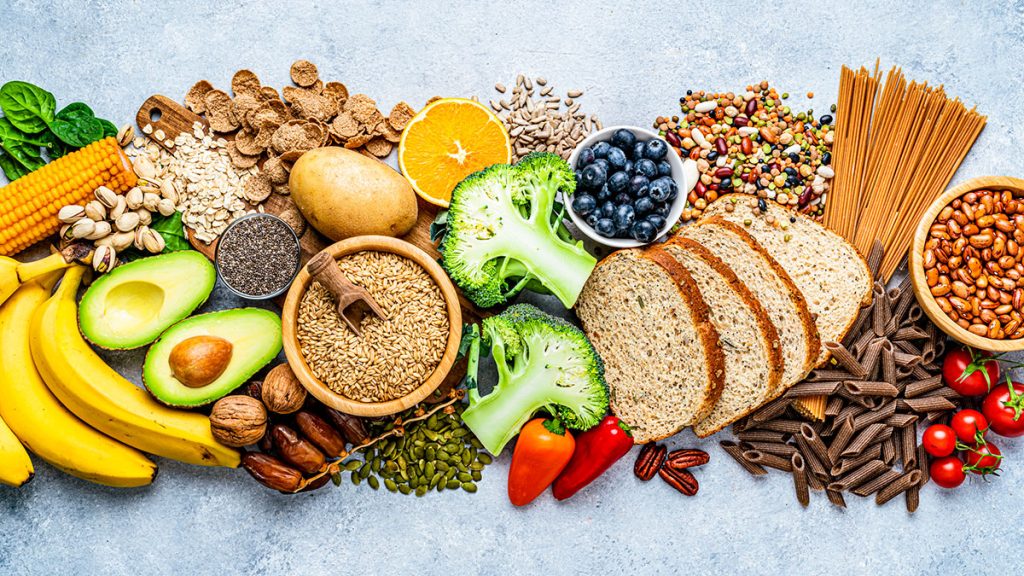
Why What We Eat Matters More Than We Think
Diet is one of the most consistent daily choices people make, yet its long-term impact is often underestimated. Beyond weight management and energy levels, what we eat plays a significant role in overall health — including cancer risk.
Research increasingly shows that dietary patterns can influence inflammation, hormone regulation, immune function, and cellular health. While diet alone does not cause or prevent cancer, certain food choices can either increase risk factors or help support protective processes in the body.
Understanding how diet choices influence cancer risk empowers individuals to make informed decisions that support long-term well-being.
Cancer Risk Is Multifactorial
Cancer does not develop from a single cause. Risk is shaped by a combination of factors such as:
- Genetics
- Age
- Environmental exposures
- Lifestyle habits
- Diet and nutrition
Diet interacts with many of these elements, influencing how the body responds to damage, inflammation, and abnormal cell growth. Over time, repeated dietary patterns can either support healthy cellular function or contribute to conditions that increase risk.
How Diet Affects the Body at a Cellular Level
Food provides more than calories — it supplies compounds that directly affect cells.
Diet choices can influence:
- Oxidative stress
- Chronic inflammation
- Hormone levels
- Gut microbiome balance
- Immune system function
These processes are closely linked to how cells grow, repair themselves, and respond to damage. Diets that consistently promote inflammation or nutrient imbalance may create environments where disease is more likely to develop.
Processed Foods and Cancer Risk Factors
Highly processed foods are often associated with increased cancer risk when consumed frequently.
These foods may include:
- Processed meats
- Packaged snacks
- Sugary beverages
- Refined grains
- Ultra-processed convenience meals
Common characteristics include:
- High sodium content
- Added sugars
- Artificial additives
- Unhealthy fats
Regular consumption of these foods can contribute to obesity, insulin resistance, and chronic inflammation — all of which are linked to higher cancer risk.
Red and Processed Meats
Red and processed meats have been widely studied in relation to cancer risk.
Processed meats may include:
- Sausages
- Bacon
- Hot dogs
- Deli meats
These foods often contain preservatives and compounds formed during processing or high-heat cooking. Frequent intake has been associated with increased risk of certain cancers, particularly those affecting the digestive system.
Moderation and preparation methods play a key role in managing risk.
The Role of Fruits and Vegetables
Fruits and vegetables are central to dietary patterns associated with lower cancer risk.
They provide:
- Fiber
- Vitamins and minerals
- Antioxidants
- Phytochemicals
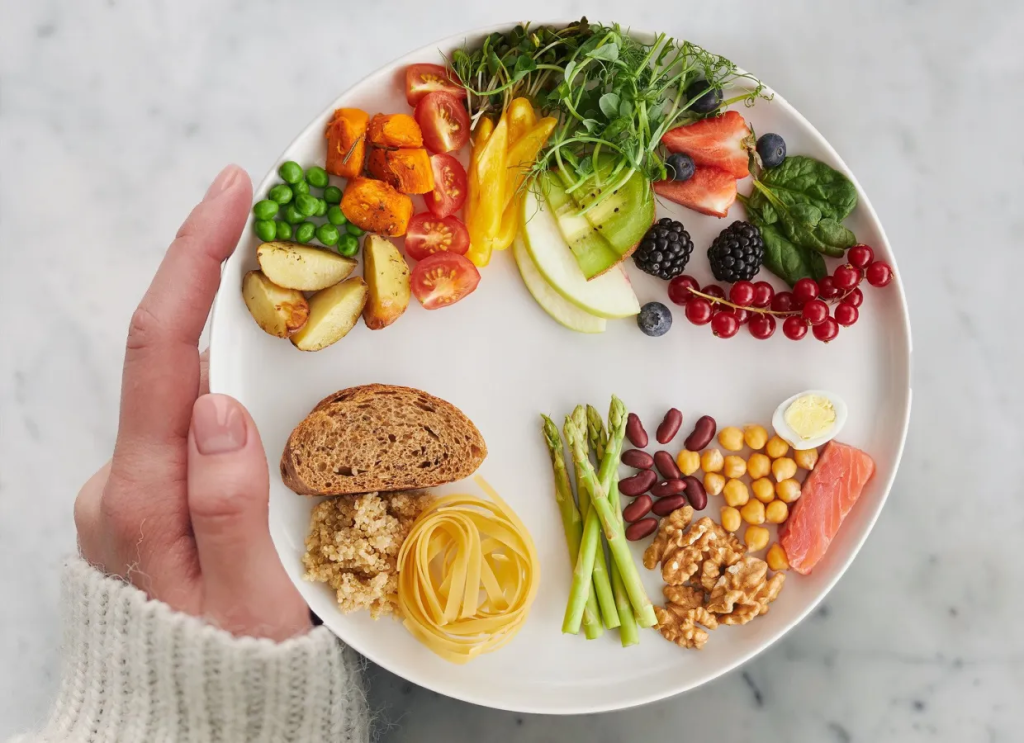
These compounds help protect cells from damage and support the body’s natural repair mechanisms. Diets rich in colorful plant foods are consistently linked with better overall health outcomes.
Variety matters — different colors often indicate different protective compounds.
Fiber and Digestive Health
Dietary fiber plays an important role in digestive health and may help reduce the risk of certain cancers.
Fiber supports:
- Regular digestion
- Gut microbiome balance
- Removal of waste compounds
- Reduced inflammation in the digestive tract
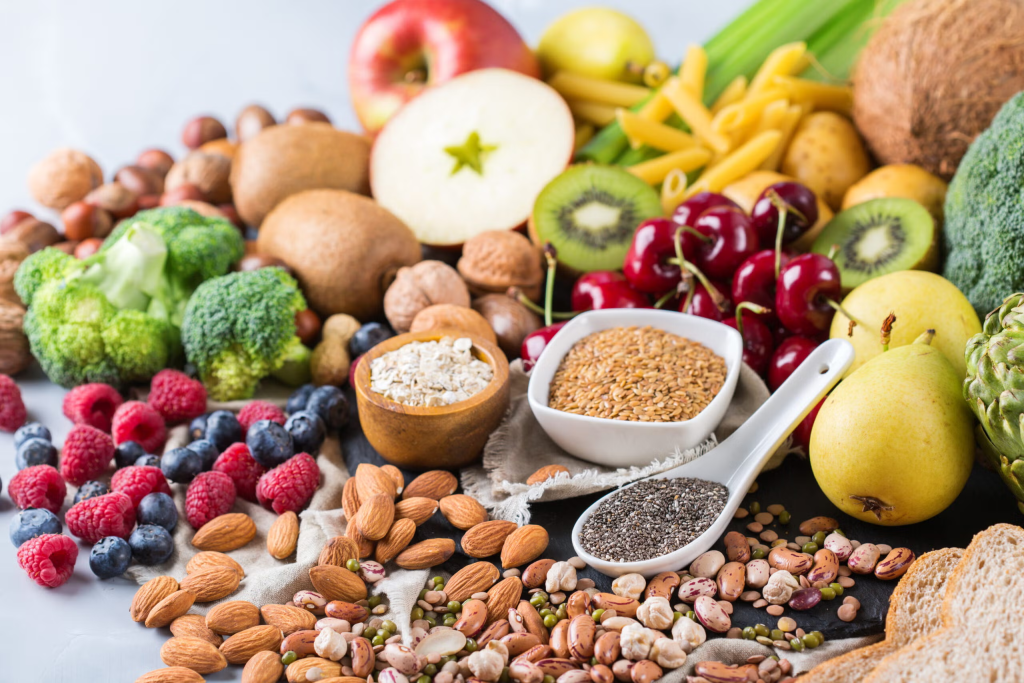
Whole grains, legumes, fruits, and vegetables are primary fiber sources. Diets low in fiber are commonly linked with digestive issues and increased disease risk.
Added Sugars and Metabolic Stress
High sugar intake can contribute indirectly to cancer risk by promoting metabolic imbalance.
Excessive added sugars may lead to:
- Weight gain
- Insulin resistance
- Chronic inflammation
While sugar itself does not cause cancer, long-term metabolic stress can create conditions that allow disease processes to progress more easily.
Limiting sugary drinks and desserts supports overall metabolic health.
Alcohol Consumption and Cancer Risk
Alcohol intake has been linked to increased cancer risk, particularly when consumption is frequent or excessive.
Alcohol can:
- Damage cells directly
- Interfere with nutrient absorption
- Increase inflammation
- Affect hormone levels
The level of risk varies based on amount, frequency, and individual factors. Awareness and moderation are key considerations in dietary choices.
Healthy Fats vs Unhealthy Fats
Not all fats affect health equally.
Unhealthy fats, such as trans fats and excessive saturated fats, may contribute to inflammation and cardiovascular strain. Healthier fats support cellular function and nutrient absorption.
Health-supportive fat sources include:
- Olive oil
- Nuts and seeds
- Fatty fish
- Avocados
Balance and quality matter more than total fat intake alone.
Cooking Methods Matter
How food is prepared can influence its health impact.
High-temperature cooking methods such as:
- Charring
- Grilling over open flame
- Deep frying
May create compounds linked to increased cancer risk when used frequently.
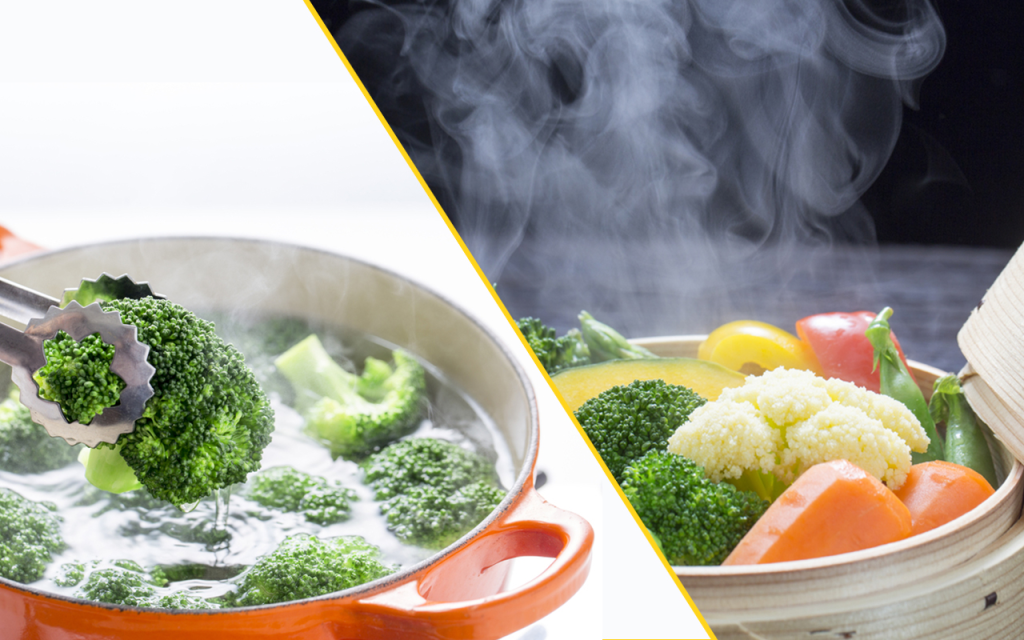
Gentler methods such as steaming, baking, sautéing, and boiling tend to preserve nutrients while reducing harmful byproducts.
Body Weight, Diet, and Cancer Risk
Diet choices influence body weight, which is an important cancer risk factor.
Excess body fat can:
- Alter hormone levels
- Increase inflammation
- Affect immune regulation
Maintaining a balanced diet that supports a healthy weight helps reduce multiple disease risks, including some cancers.
The Gut Microbiome Connection
Diet directly shapes the gut microbiome — the community of bacteria living in the digestive system.
A diverse, balanced microbiome supports:
- Immune function
- Inflammation control
- Nutrient metabolism
Fiber-rich and plant-forward diets promote beneficial bacteria, while highly processed diets may disrupt microbial balance.
Cultural Diet Patterns and Cancer Risk
Dietary patterns differ across cultures, and so do cancer risk profiles.
Traditional diets often emphasize:
- Whole foods
- Seasonal ingredients
- Plant-based staples
- Minimal processing
As societies adopt more processed, Western-style diets, shifts in disease patterns often follow. Cultural food traditions can offer valuable insights into long-term health.
Dietary Supplements and Cancer Prevention
Supplements are sometimes marketed as protective, but evidence varies.
Whole foods provide complex nutrient combinations that supplements cannot fully replicate. Supplements may be appropriate in specific cases, but they are not a substitute for balanced dietary patterns.
Medical guidance is essential when considering supplementation.
Diet as Part of a Broader Lifestyle
Diet works best when combined with other healthy habits such as:
- Regular physical activity
- Adequate sleep
- Stress management
- Avoiding tobacco
Together, these factors influence inflammation, immunity, and long-term disease risk more effectively than any single change alone.
Common Misconceptions About Diet and Cancer
Myth: One food can prevent cancer
Reality: No single food provides complete protection.
Myth: Cancer risk is entirely genetic
Reality: Lifestyle factors play a significant role.
Myth: Occasional unhealthy foods cause cancer
Reality: Long-term patterns matter more than isolated choices.
Understanding these distinctions helps avoid unnecessary fear while encouraging practical habits.
Making Sustainable Diet Changes
Lasting dietary improvements come from gradual, realistic changes rather than extreme restrictions.
Helpful approaches include:
- Adding more plant foods
- Reducing processed food frequency
- Paying attention to portion sizes
- Cooking at home more often
Small adjustments over time create meaningful health benefits.
Final Thoughts
Diet choices influence cancer risk by shaping inflammation, metabolism, immune response, and cellular health. While no diet can eliminate risk entirely, consistent patterns that emphasize whole, nutrient-rich foods support the body’s natural defenses.
Understanding the relationship between diet and cancer risk allows individuals to make informed, empowered choices — not out of fear, but with awareness.
Food is not just fuel. Over time, it becomes part of how the body protects itself.


