
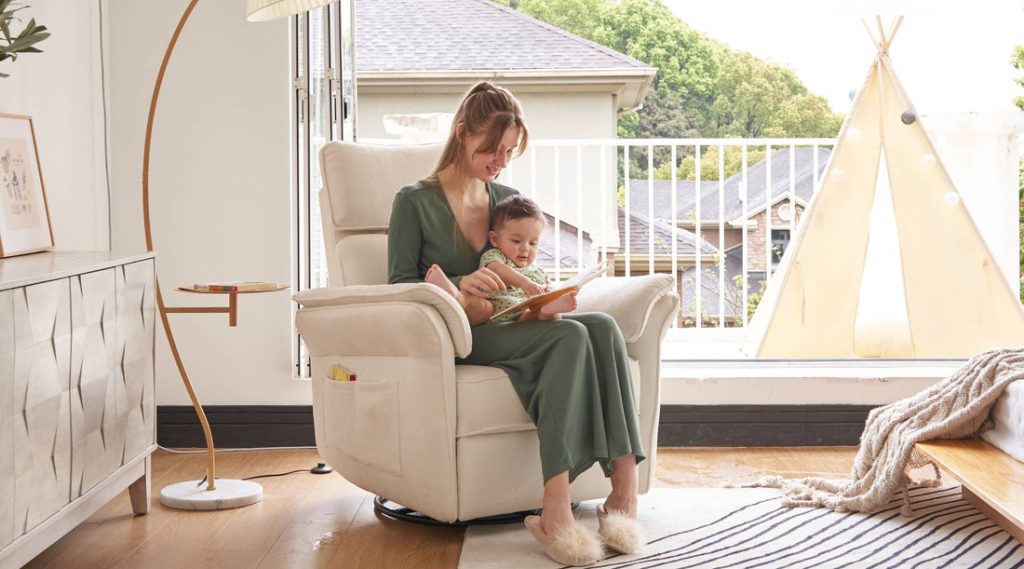
Comfort, Functionality, and Support for Parents and Babies

Designing a modern nursery goes far beyond aesthetics. It is about creating a space that supports daily routines, physical comfort, and emotional well-being for both parents and babies. Among the most important pieces of furniture in this space is the nursing chair.
Often underestimated, nursing chairs play a central role in feeding, soothing, bonding, and recovery during early parenthood. This article explores why nursing chairs are essential for modern nurseries and how they support comfort, functionality, and long-term usability.
What Is a Nursing Chair?
A nursing chair is a specially designed seating option intended to support parents during feeding, rocking, and soothing their baby. Unlike standard chairs, nursing chairs prioritize ergonomic support, gentle motion, and comfort during extended periods of sitting.
Modern nursing chairs may include features such as padded armrests, supportive backrests, rocking or gliding motion, swivel capability, and reclining options. These elements work together to reduce strain while enhancing the caregiving experience.
The Role of Nursing Chairs in Daily Nursery Routines
Newborn care involves frequent feeding, comforting, and holding — often multiple times throughout the day and night. Nursing chairs provide a dedicated space where these routines can happen comfortably and consistently.
Whether breastfeeding, bottle-feeding, or soothing a restless baby, having a supportive chair helps parents move through demanding schedules with greater ease and less physical stress.
Supporting Physical Comfort for Parents

Early parenthood places significant physical demands on the body. Long feeding sessions, repetitive movements, and lack of rest can contribute to back, neck, and shoulder strain.
Nursing chairs help support parents by:
- Promoting proper posture
- Supporting the lower back
- Allowing relaxed arm positioning
- Reducing pressure on joints
Comfortable seating allows parents to focus on caregiving and bonding rather than discomfort.
Reducing Fatigue During Nighttime Feedings
Nighttime feedings are a core part of infant care. Nursing chairs offer a supportive and familiar place to sit without needing to leave the nursery or turn on harsh lighting.
Gentle rocking or gliding motion combined with padded support helps parents remain comfortable and alert during overnight routines, reducing fatigue and supporting better rest overall.
Enhancing Baby Comfort and Calm
Babies respond strongly to motion and environment. The smooth movement of a nursing chair often mimics the comforting sensations babies experience when being held or rocked.
This gentle motion can:
- Help babies relax during feeding
- Reduce fussiness
- Support easier transitions to sleep
A calm baby contributes to smoother routines and a more peaceful nursery atmosphere.
Supporting Emotional Bonding and Connection
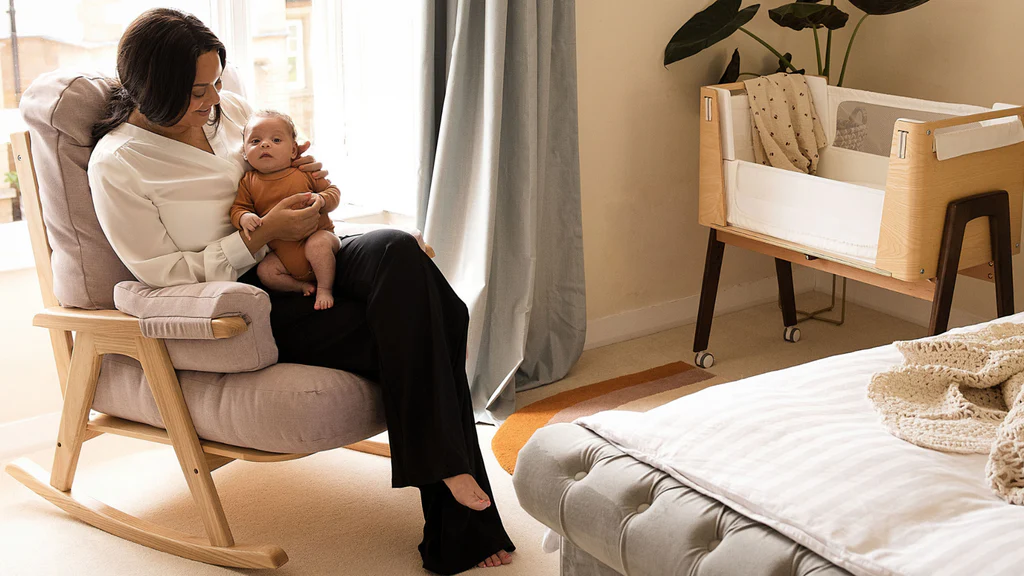
Feeding and holding time are among the most meaningful bonding moments in early parenthood. Nursing chairs provide a quiet, comfortable space that encourages eye contact, touch, and emotional presence.
When parents are physically comfortable, they can remain more engaged and attentive, strengthening emotional connection and attachment.
Ergonomic Design for Long-Term Use
Modern nursing chairs are designed with adaptability in mind. Adjustable features allow the chair to continue supporting parents through different stages, including postpartum recovery, extended feeding periods, and toddler years.
Many families continue using nursing chairs well beyond infancy for reading, soothing, or quiet relaxation, making them a long-term addition rather than a short-term purchase.
Supporting Postpartum Recovery
After childbirth, parents often experience physical recovery challenges. Nursing chairs provide a stable, supportive place to sit and stand with minimal strain.
Proper seat height and sturdy armrests help reduce discomfort, especially during repeated transitions while caring for a newborn.
Versatility Beyond Feeding
Nursing chairs serve multiple purposes beyond feeding, such as:
- Reading stories
- Rocking babies to sleep
- Comforting children during illness
- Offering parents moments of rest
This versatility adds long-term value and practicality.
Design and Style in Modern Nurseries
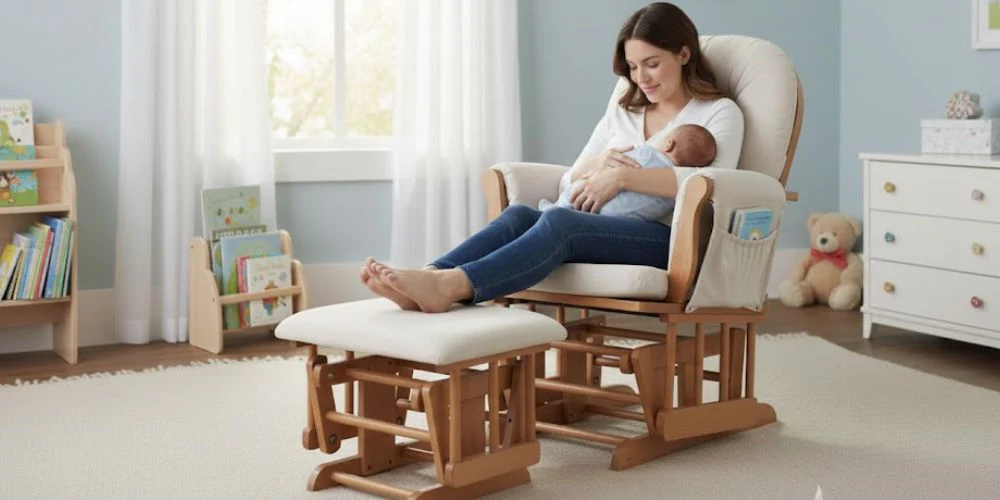
Today’s nursing chairs are available in a wide range of styles, fabrics, and colors. Parents can choose designs that complement modern nursery aesthetics without sacrificing comfort or function.
This balance allows nursing chairs to blend seamlessly into the overall design of the home.
Space Efficiency and Practical Layout
Many nurseries require thoughtful space planning. Nursing chairs are designed to fit comfortably into compact rooms while still offering full functionality.
Swivel bases, smooth gliding mechanisms, and streamlined silhouettes help maximize space efficiency.
Supporting Mental Well-Being for Parents
Early parenthood can be emotionally demanding. Having a comfortable, dedicated place to sit, breathe, and connect with a baby can positively influence mental well-being.
Nursing chairs provide a sense of routine, comfort, and calm during transitional periods.
Safety Considerations in Nursing Chair Design
Quality nursing chairs prioritize safety through stable bases, controlled motion, durable materials, and child-safe construction. These features help ensure peace of mind during daily use.
Choosing the Right Nursing Chair
When selecting a nursing chair, parents should consider comfort, support, motion type, fabric durability, ease of cleaning, and available space. Testing chairs when possible helps ensure the best fit for individual needs.
Why Nursing Chairs Are Considered Nursery Essentials
Nursing chairs are essential because they:
- Support physical comfort
- Enhance bonding experiences
- Improve feeding routines
- Promote emotional well-being
- Offer long-term versatility
They are not just furniture, but a foundational tool for daily care.
Final Thoughts
Nursing chairs play a vital role in modern nurseries by supporting comfort, connection, and functionality during one of life’s most important transitions. From feeding and soothing to bonding and recovery, they provide lasting benefits for both parents and babies.
By choosing a well-designed nursing chair, families create a supportive environment that enhances daily routines, nurtures emotional well-being, and contributes to a calm, functional nursery space.


