
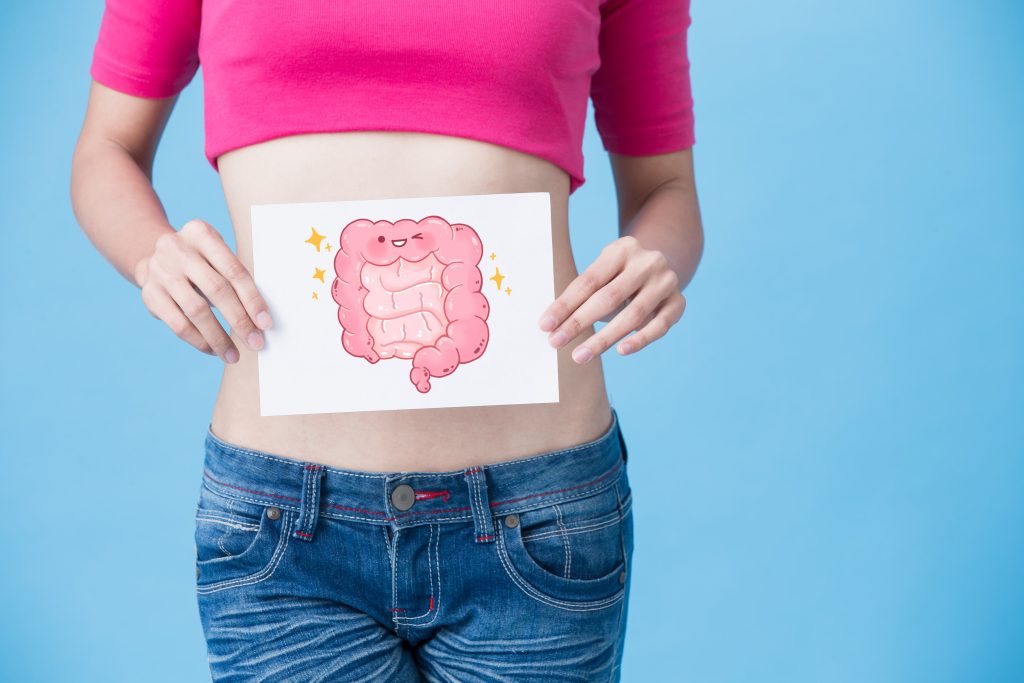
Why Digestive Symptoms Are Often Misunderstood
Digestive discomfort is one of the most common health complaints worldwide. Bloating, diarrhea, constipation, fatigue, and unexplained stomach pain are often blamed on stress, diet, or food intolerances. While those factors can play a role, one overlooked cause continues to affect millions of people globally: parasites.
Parasites can quietly disrupt digestive health for months or even years before being properly identified. Because symptoms are often vague or inconsistent, parasitic infections are frequently misdiagnosed or ignored altogether.
Understanding how parasites impact the digestive system is the first step toward recognizing potential warning signs and seeking appropriate care.
What Are Digestive Parasites
Parasites are organisms that live in or on a host and depend on that host for survival. When they inhabit the digestive tract, they interfere directly with nutrient absorption, gut function, and immune balance.
Common digestive parasites include:
- Protozoa such as Giardia and Entamoeba
- Helminths such as roundworms, tapeworms, and hookworms
- Microscopic organisms transmitted through food or water
These parasites enter the body through contaminated water, undercooked food, poor sanitation, or contact with infected surfaces.
How Parasites Enter the Digestive System
Parasites typically reach the digestive tract through ingestion. Once inside, they attach to the intestinal lining or reside within the gut, where they feed and reproduce.
Common transmission routes include:
- Contaminated drinking water
- Raw or undercooked meat
- Unwashed fruits and vegetables
- Poor hand hygiene
- International travel to areas with limited sanitation
Because exposure is often accidental, many people are unaware they have encountered parasites at all.
How Parasites Disrupt Digestion
Once inside the body, parasites interfere with normal digestive processes in several ways.
Nutrient Malabsorption
Parasites compete with the host for nutrients. Some absorb vitamins, minerals, and calories directly from digested food, leaving the body undernourished even when dietary intake appears normal.
This can lead to:
- Weight loss or difficulty gaining weight
- Vitamin deficiencies
- Chronic fatigue
- Weak immune response
Damage to the Intestinal Lining
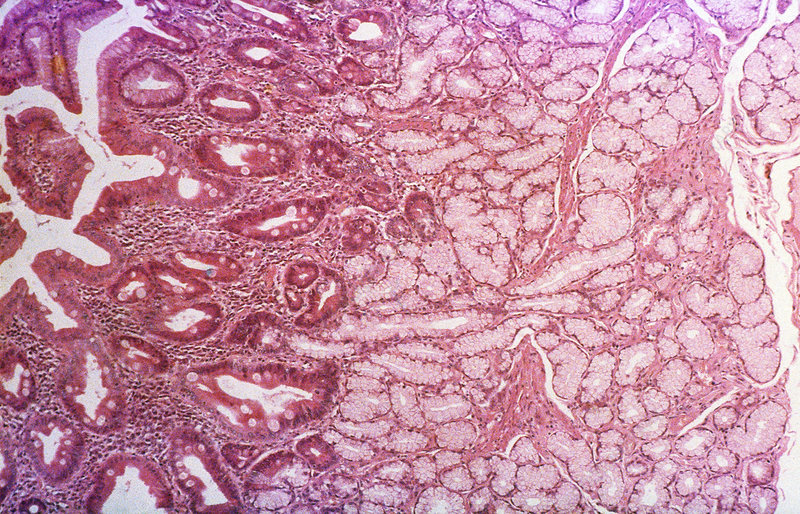
Certain parasites attach to or burrow into the intestinal wall, causing inflammation and tissue damage. Over time, this can reduce the gut’s ability to absorb nutrients efficiently.
This damage may contribute to:
- Leaky gut symptoms
- Increased food sensitivities
- Chronic inflammation
- Irritable bowel–like symptoms
Common Digestive Symptoms Linked to Parasites
Digestive parasite symptoms vary widely depending on the organism and infection severity. Many people experience mild or intermittent symptoms that come and go.
Common digestive signs include:
- Persistent diarrhea
- Abdominal pain or cramping
- Excessive gas and bloating
- Nausea or vomiting
- Constipation alternating with diarrhea
- Mucus in stool
Because these symptoms overlap with other digestive conditions, parasitic infections are often overlooked.
Parasites and Gut Microbiome Imbalance
The digestive system relies on a balanced gut microbiome to function properly. Parasites disrupt this balance by altering bacterial populations and triggering immune responses.
This imbalance can:
- Worsen digestion
- Increase inflammation
- Reduce beneficial bacteria
- Lower resistance to other infections
In some cases, parasite-related microbiome disruption persists even after the parasite is eliminated, prolonging digestive discomfort.
Chronic Fatigue and Digestive Parasites
Many people with parasitic infections report persistent fatigue that doesn’t improve with rest. This occurs because parasites:
- Deplete nutrients
- Trigger immune activation
- Increase inflammatory burden
When the body is constantly fighting an unseen infection, energy levels suffer. Digestive distress combined with fatigue is a common but underrecognized pattern in parasitic cases.
Parasites and Food Sensitivities
Parasites can increase intestinal permeability, making it easier for undigested food particles to enter the bloodstream. This can trigger immune reactions and lead to new food sensitivities.
People may suddenly react to:
- Dairy
- Gluten
- Sugar
- Processed foods
These reactions often improve once the underlying infection is addressed, but many individuals mistakenly adopt long-term restrictive diets instead.
Weight Changes and Appetite Disruption
Parasites affect appetite differently depending on the organism.
Some cause:
- Increased hunger due to nutrient theft
- Weight loss despite adequate eating
Others may lead to:
- Reduced appetite
- Nausea after meals
- Food aversion
Unexpected weight changes combined with digestive symptoms may warrant further investigation.
How Parasites Affect Children’s Digestive Health
Children are particularly vulnerable to digestive parasites due to:
- Developing immune systems
- Frequent hand-to-mouth contact
- Exposure in daycare or school environments
In children, parasites may contribute to:
- Poor growth
- Learning difficulties
- Behavioral changes
- Chronic stomach issues
Early detection is especially important to prevent long-term health impacts.

Why Parasitic Infections Are Often Missed
Parasitic infections are frequently misdiagnosed because:
- Symptoms mimic other digestive disorders
- Routine tests may miss intermittent shedding
- Patients may not recall exposure
- Healthcare providers may not suspect parasites
In many cases, symptoms are labeled as stress-related or functional digestive issues without further testing.
Diagnosis and Testing Challenges
Detecting digestive parasites often requires:
- Stool analysis
- Multiple samples over time
- Specialized laboratory testing
Single tests may not always detect parasites, especially if the organism sheds intermittently. This contributes to delayed diagnosis and prolonged symptoms.
Treatment and Digestive Recovery
Treatment depends on the type of parasite identified and may involve:
- Prescription antiparasitic medications
- Dietary adjustments
- Support for gut healing
Following treatment, digestive recovery may take time as the intestinal lining and microbiome restore balance.
Supportive strategies often focus on:
- Nutrient replenishment
- Probiotic support
- Anti-inflammatory foods

Preventing Digestive Parasite Exposure
Prevention plays a major role in protecting digestive health.
Key practices include:
- Washing hands thoroughly
- Drinking safe, treated water
- Properly cooking meats
- Washing produce carefully
- Practicing food safety when traveling
Small habits significantly reduce exposure risk.
Why Digestive Parasite Awareness Matters
Parasites remain a global health concern, even in developed regions. Increased travel, food imports, and water exposure mean digestive parasites are more common than many realize.
Awareness helps individuals:
- Recognize early warning signs
- Seek appropriate testing
- Avoid unnecessary long-term digestive suffering
Final Thoughts
Parasites can profoundly impact digestive health by disrupting nutrient absorption, damaging the gut lining, altering the microbiome, and triggering chronic symptoms that are often misunderstood.
Digestive issues that persist without a clear explanation deserve closer attention. While parasites are not always the cause, they remain an important possibility — especially when symptoms are ongoing, inconsistent, or resistant to standard treatments.
Understanding how parasites affect digestion empowers individuals to take proactive steps toward better gut health and overall well-being.


