
Why Choosing the Right Cooling Solution Matters
As temperatures rise and energy costs climb, homeowners are rethinking how they cool their living spaces. Central air systems work well — but they’re expensive to install and inefficient for cooling single rooms. Window units are affordable but often bulky and hard to install. That’s where portable air conditioners (PACs) come into play.
Portable air conditioners are flexible, versatile, and increasingly powerful. But are they the right solution for your home? The answer depends on your space, budget, lifestyle, and cooling needs.
This comprehensive guide breaks down how portable ACs work, their benefits, limitations, and how to decide if one is right for you.
What Is a Portable Air Conditioner?
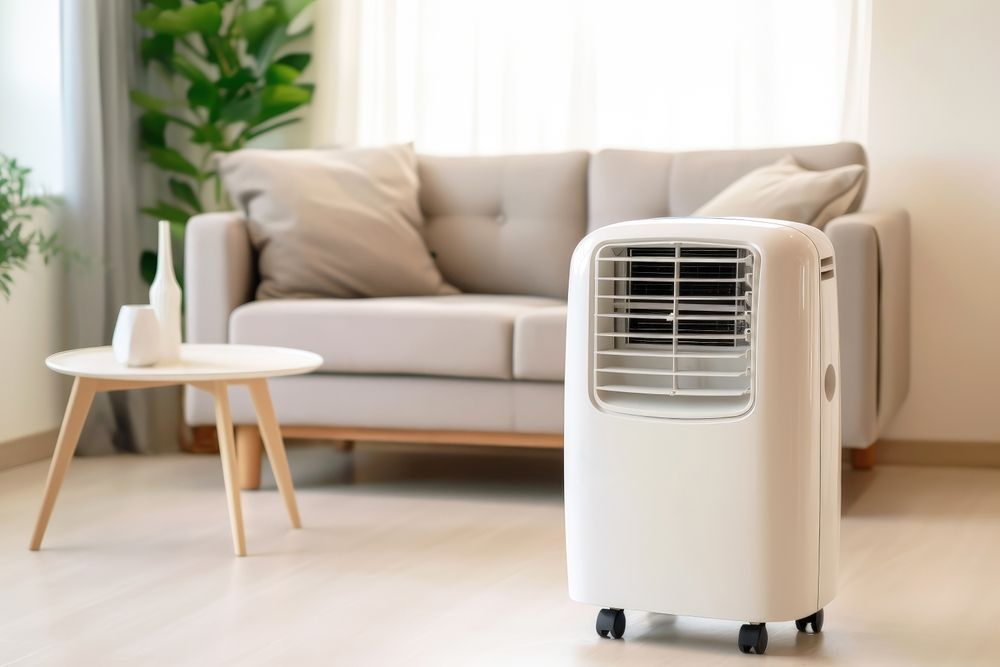
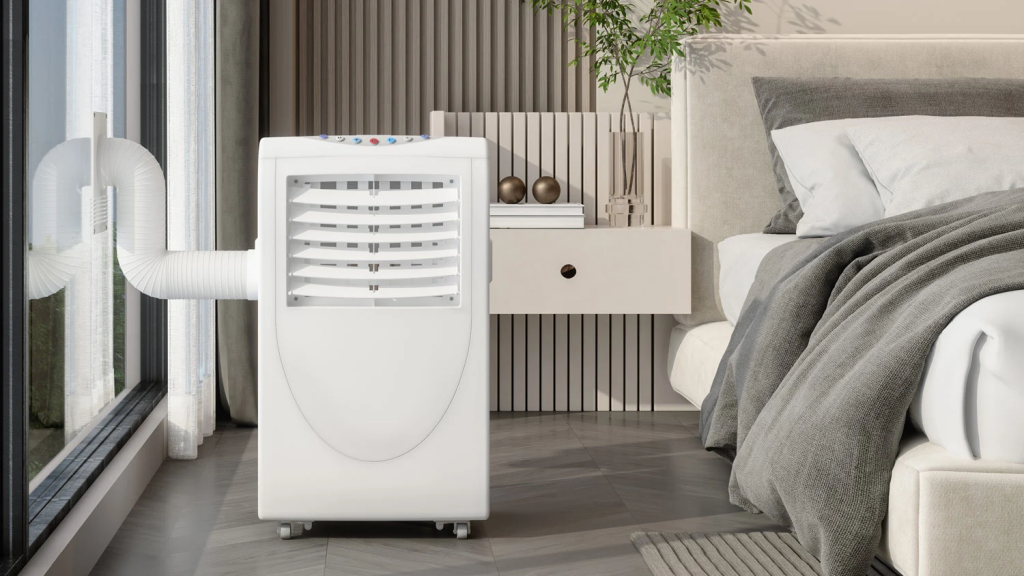
A portable air conditioner is a self-contained cooling unit on wheels. Unlike central systems, it doesn’t require permanent installation. Instead, it uses a hose to vent hot air out a window or through a wall opening.
Portable ACs cool air by:
- Drawing in warm room air
- Passing it over cooling coils
- Expelling cooled air back into the room
- Venting hot air outside through a hose
This simplicity makes portable ACs a popular choice for apartments, bedrooms, home offices, and spaces that lack ductwork.
How Portable ACs Differ From Other Cooling Options
Before deciding, it helps to understand how portable ACs compare to other common solutions:
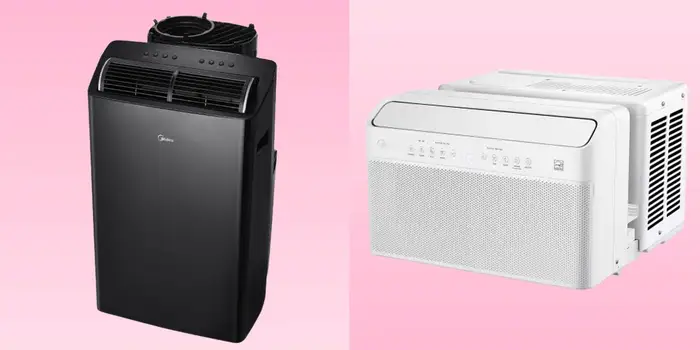
Portable AC vs Window Unit
- Installation: Portable units require minimal installation; window units fit into a window frame.
- Mobility: Portable ACs can move between rooms; window units are fixed.
- Space Use: Window units don’t take up floor space; portable ACs do.
Portable AC vs Central AC
- Coverage: Central AC cools whole homes; portable units focus on single rooms.
- Cost: Portable ACs cost far less upfront.
- Efficiency: Central AC tends to be more energy-efficient for whole-home cooling.
Portable AC vs Mini-Split
- Installation: Mini-splits require professional installation; portable ACs do not.
- Appearance: Mini-splits are less visible; portable units are freestanding.
- Performance: Mini-splits typically offer better cooling performance and efficiency.
Understanding these differences helps narrow your choice based on space and requirements.
When Portable Air Conditioners Make Sense
Portable ACs are not for every scenario — but they’re an ideal solution in many situations.
You Rent or Can’t Modify Your Space
If you’re renting, you may not be allowed to install window or mini-split units. Portable ACs offer strong cooling with minimal commitment and no permanent changes.
You Need Cooling in Multiple Rooms
A single portable AC can cool one room effectively. If you need cooling in different rooms at different times, a portable unit on wheels makes switching effortless.
You Want Quick Setup
Portable ACs are plug-and-play. With a vent kit and a window, you’re cooling your space in under an hour without professional help.
You Have a Small to Medium Room
Portable ACs perform best in rooms up to about 500 square feet, depending on BTU rating. They’re perfect for:
- Bedrooms
- Home offices
- Studios
- Basements
When used in the right space, they provide excellent comfort.
How Portable Air Conditioners Work
Understanding how these systems operate helps set realistic expectations.
Step-by-Step Cooling
- Air Intake: Warm room air is pulled into the unit.
- Cooling Cycle: Air passes over refrigerant-filled coils.
- Heat Exchange: Heat is absorbed and transferred out via the exhaust hose.
- Cool Air Return: Cooled air circulates back into the room.
Portable ACs may also include:
- Dehumidification modes: to remove moisture
- Fan-only modes: for airflow without cooling
- Sleep or eco modes: for quieter, energy-saving performance
This combination makes them more versatile than basic fans.
Choosing the Right Portable AC Size
One of the most important decisions is sizing — measured in British Thermal Units (BTUs).
Here’s a simplified guideline:
| Room Size (sq ft) | Recommended BTUs |
|---|---|
| Up to 250 | 8,000–10,000 |
| 250–350 | 10,000–12,000 |
| 350–450 | 12,000–14,000 |
| 450–550 | 14,000–16,000 |
Over-sizing doesn’t improve cooling but can waste energy. Under-sizing will leave you undercooled.
Other factors that affect performance:
- Ceiling height
- Sun exposure
- Insulation quality
Portable AC sizing isn’t guesswork — it’s key to performance.
Pros of Portable Air Conditioners
Portable ACs offer several advantages that make them worth considering:
1. No Permanent Installation
Plug in, vent the hose, and cool the room — no drilling, mounting, or structural changes required.
2. Easy to Move
Wheels and lightweight design make relocation between rooms simple.
3. Affordable Upfront Cost
Compared to central or mini-split systems, portable ACs are budget-friendly.
4. Multiple Function Modes
Many models dehumidify and circulate air, giving more utility than a simple fan.
5. Ideal for Specific Cooling Needs
Great for rooms that see heavy use only part of the day — like offices or guest rooms.
These benefits make portable ACs a compelling option for many homeowners.
Limitations of Portable Air Conditioners
Portable ACs aren’t perfect. Understanding limitations prevents disappointment.
1. Less Efficient Than Other Systems
Portable units tend to use more energy per cooling output compared to window or mini-split systems.
2. Vent Hose Needs a Window
Without proper venting, performance drops significantly. Some layouts make venting tricky.
3. Occupies Floor Space
Unlike window units, portable ACs require floor space — which may affect layout in smaller rooms.
4. Noise Levels Can Be Higher
Because all components are inside the room, portable units aren’t as quiet as split systems.
5. Limited Whole-Home Cooling
A single portable AC is best for one zone; cooling multiple rooms requires multiple units.
These downsides matter — but for many users, the benefits outweigh them.
Features to Look for When Buying
When choosing a portable AC, features matter.
1. Smart Controls
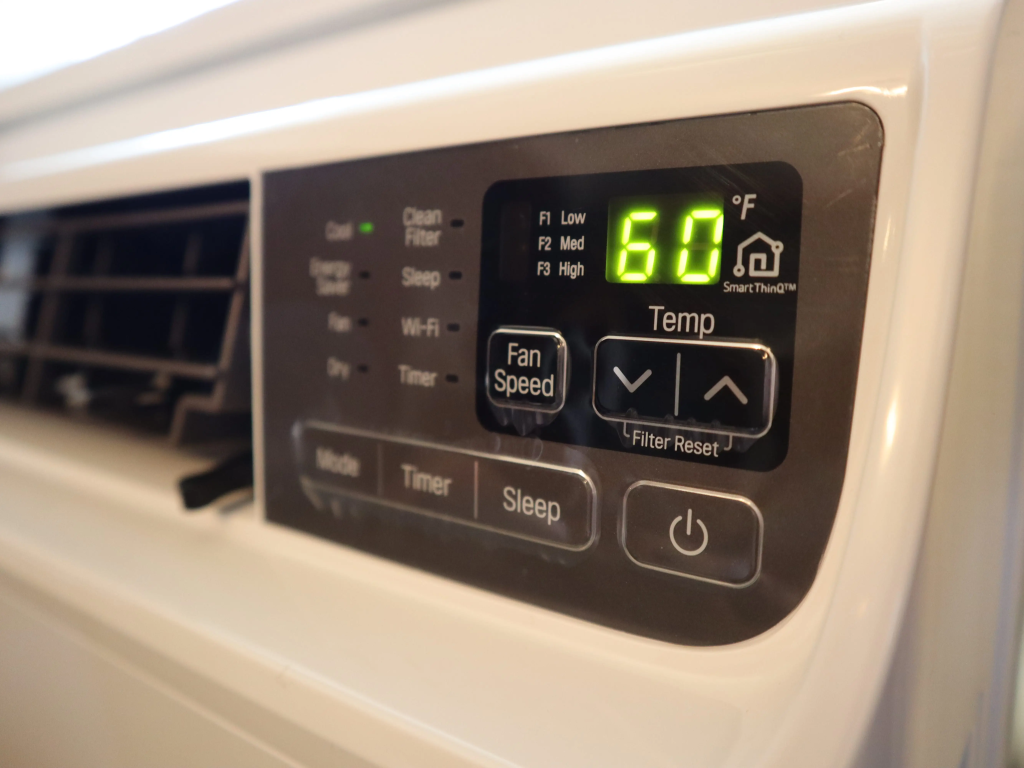
Wi-Fi and app connectivity let you adjust settings remotely.
2. Auto-Swing Louvers
Improves airflow distribution.
3. Programmable Timers
Save energy by cooling only when you need it.
4. Dehumidifier Mode
Useful in humid climates — reduces moisture without overcooling.
5. Air Filters
Washable or replaceable filters improve air quality.
6. Energy Efficiency Ratings
Higher Energy Efficiency Ratio (EER) means lower operating costs.
Choosing the right features enhances comfort and performance.
Installation Tips for Best Performance
Portable AC installation is straightforward — but small details matter.
Step-by-Step Setup
- Place unit near a window and outlet
- Install the window kit and exhaust hose
- Ensure hose is as straight and short as possible
- Seal gaps around the window panel
Avoid:
- Long curved hoses
- Kinks
- Blocking airflow
Proper installation maximizes cooling power and efficiency.
Maintenance That Keeps Units Running
Portable ACs need care — but it’s simple:
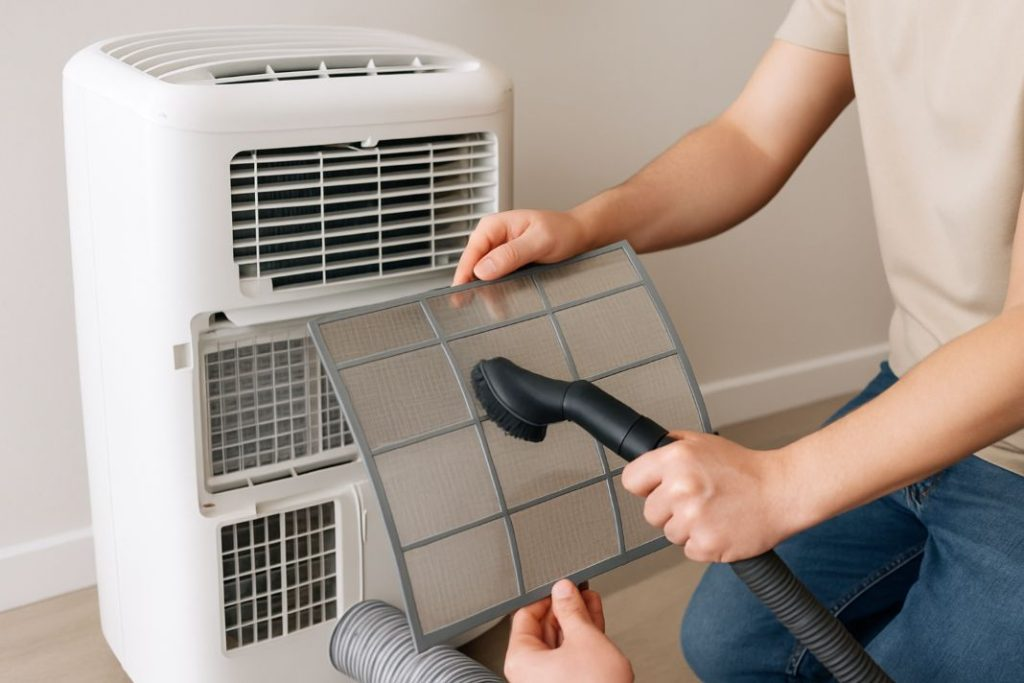
Clean Filters Regularly
Clogged filters reduce airflow and efficiency.
Check Vent Hose
Ensure it isn’t blocked or bent.
Empty Water Tray
Some models collect condensation that must be drained.
Annual Deep Clean
A seasonal cleaning before summer keeps performance strong.
Routine maintenance boosts efficiency and extends life.
How Many Portable ACs Do You Need?
Cooling entire homes with portable ACs is possible — but requires planning.
Single Room Use
One unit can cool a bedroom, office, or small living area effectively.
Multiple Rooms
For open floor plans or large spaces, multiple units may be necessary.
Zoned Cooling Strategy
Use portable ACs where cooling matters most:
- Bedrooms at night
- Home offices during work hours
- Media rooms for comfort
This targeted approach is often more energy-efficient than cooling the whole home.
Are Portable ACs Energy-Efficient?
Portable ACs aren’t the most efficient cooling solution on the market — but efficiency varies by model.
Look for:
- High EER ratings
- Eco modes
- Timers and smart controls
These features help control energy use and reduce costs without sacrificing comfort.
In many cases, zoning with portable ACs costs less than running a central system at full blast.
Real Customer Use Cases
Small Apartment Solution
Portable ACs deliver strong cooling without window restrictions or installation fees — perfect for renters.
Home Office Comfort
A quiet, focused cooling solution keeps productivity high without impacting the rest of the house.
Seasonal Rooms
Guest rooms or seasonal spaces get cooling only when needed, saving energy and money.
These real-world examples show where portable ACs shine.
Common Misconceptions About Portable ACs
Myth: Portable ACs don’t cool well.
Truth: When sized correctly and vented properly, portable ACs deliver reliable cooling comparable to other room units.
Myth: They use too much electricity.
Truth: While not the most efficient, smart features and proper use minimize energy costs.
Myth: They’re just fans.
Truth: Portable ACs actively cool air using refrigerant — far beyond what a fan can do.
Clearing misconceptions helps make a confident choice.
How to Decide If a Portable AC Is Right for You
Answer these questions:
Do you rent or have restrictions on permanent installations?
Yes → Portable AC is ideal.
Are you cooling one or two rooms, not the whole house?
Yes → Portable AC fits well.
Is mobility important?
Yes → Portable AC wins.
Is noise a major concern?
If yes, and noise matters more than mobility, consider mini-split systems.
Do you want the lowest long-term energy cost?
Central or mini-split may perform better.
Your answers guide the best choice for your lifestyle.
Final Thoughts
Portable air conditioners aren’t a one-size-fits-all solution — but they’re the right solution for many homes. Affordable, flexible, and easy to install, they deliver targeted cooling with minimal hassle.
If you need room-specific comfort, mobility, and simplicity without structural changes, portable ACs deliver powerful performance.
Portable air conditioning isn’t just convenient — it’s a smart, adaptive cooling solution for modern living.


