

Biting Is Communication Not Bad Behavior

When a cat bites, many people assume aggression or misbehavior. In reality, biting is one of the most important ways cats communicate boundaries, emotions, and needs.
Cats don’t bite randomly. Every bite has a reason — and understanding those reasons is key to building trust and preventing future incidents.
Love Bites Versus Warning Bites
Not all bites are the same.
Some cats give gentle nips, often called love bites. These are usually:
- Soft
- Non-breaking
- Accompanied by purring or kneading
Love bites are a sign of affection or overstimulation, not aggression. However, when bites become firm or sudden, they are often a clear warning.
Recognizing the difference helps you respond appropriately instead of reacting with fear or punishment.
Overstimulation Is a Common Trigger
One of the most common reasons cats bite is overstimulation.
Cats enjoy petting — but only up to a point. Their nervous systems are sensitive, and too much touch can feel overwhelming. When this happens, biting becomes a way to say “That’s enough.”
Signs overstimulation is building:
- Tail flicking or thumping
- Ears rotating sideways or flattening
- Skin rippling along the back
- Sudden stillness
If these signals are ignored, a bite often follows.
Play Biting and Hunting Instincts

Cats are natural hunters. Biting is part of their instinctive play behavior, especially in kittens and young cats.
Play biting usually happens when:
- Hands are used as toys
- Energy levels are high
- The cat wasn’t properly socialized
While playful, these bites can become painful if not redirected. Using toys instead of hands teaches cats appropriate boundaries without suppressing their natural instincts.
Fear and Defensive Biting
Fear is another powerful reason cats bite.
A cat may bite if it feels:
- Cornered
- Threatened
- Trapped
- Startled
Defensive bites often happen suddenly and with force. They are not acts of aggression — they are acts of self-protection.
Understanding this helps prevent situations where cats feel they have no escape.
Pain or Medical Discomfort
If a normally calm cat starts biting unexpectedly, pain may be the cause.
Medical issues such as:
- Arthritis
- Dental pain
- Skin conditions
- Internal discomfort
can make cats more sensitive to touch. Biting in these cases is a way of saying something hurts.
Any sudden change in behavior should always be checked by a veterinarian.
Territorial Behavior and Boundaries

Cats are territorial animals. Biting may occur when someone invades a space the cat considers its own.
This often happens during:
- Forced handling
- Unwanted picking up
- Introducing new pets
- Crowded environments
Respecting a cat’s space reduces stress and lowers the chance of defensive biting.
Body Language Speaks Before Teeth
Cats almost always warn before they bite.
Key warning signals include:
- Ears pinned back
- Dilated pupils
- Low growling or hissing
- Stiff body posture
Learning to read these signals allows you to stop interaction before a bite happens.
Cats prefer communication — biting is usually the last resort.
Why Punishment Makes Biting Worse
Punishing a cat for biting increases fear and confusion. Cats don’t understand punishment the way humans do.
Instead, punishment can:
- Break trust
- Increase anxiety
- Lead to more defensive behavior
Positive reinforcement, redirection, and respect for signals are far more effective ways to prevent biting.
How to Reduce Biting Behavior
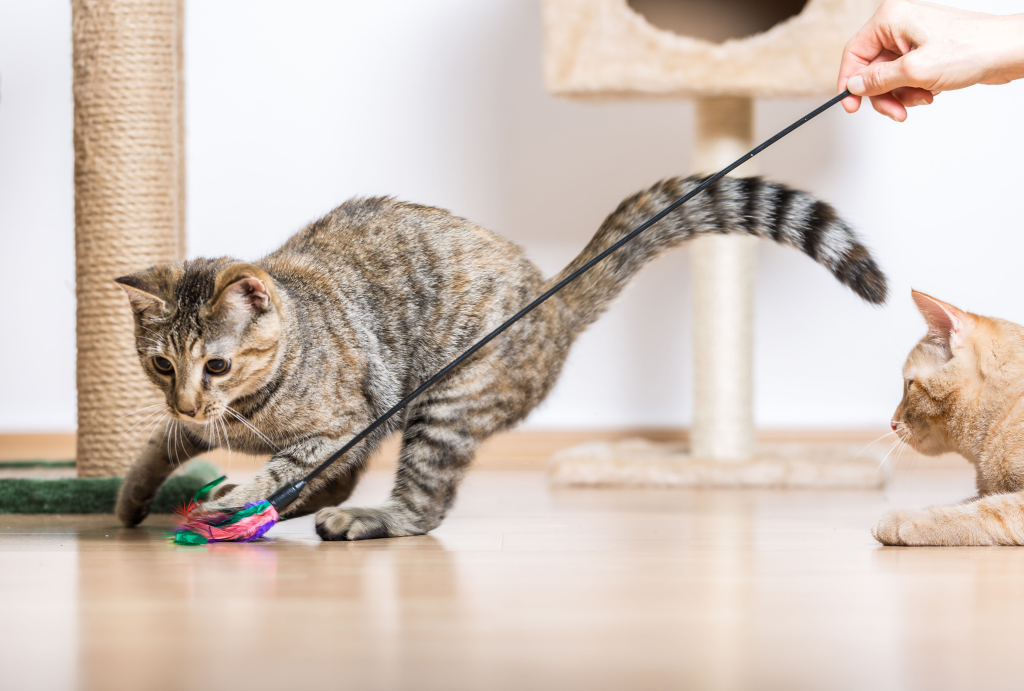
Practical ways to reduce biting include:
- Using toys instead of hands
- Ending petting at early warning signs
- Providing daily play to release energy
- Respecting personal space
- Maintaining regular vet checkups
Consistency and understanding make the biggest difference.
Biting Is a Language You Can Learn
Cats bite because they are communicating — not because they are mean or unpredictable.
When you understand why cats bite, you can respond calmly, prevent misunderstandings, and strengthen your bond. Every bite tells a story. Learning to listen changes everything.
Final Thoughts
Cats speak with their bodies, behaviors, and boundaries. Biting is simply one part of that language.
By recognizing signals, respecting limits, and responding with patience, you turn confusion into understanding — and create a safer, more trusting relationship with your cat.


