

Why Sweepstakes Continue to Attract Millions
Sweepstakes have been a popular form of promotion for decades. From cash prizes and vacations to gift cards and electronics, sweepstakes offer participants the chance to win something valuable without requiring a purchase.
Their appeal lies in simplicity and accessibility. With just a few minutes and basic information, participants can enter and potentially receive rewards that would otherwise require significant spending.
Understanding how sweepstakes entries work — and what participants should realistically expect — helps people engage confidently, avoid confusion, and make informed decisions.
What a Sweepstakes Is
A sweepstakes is a promotional drawing where winners are selected at random from a pool of eligible entries.
Key characteristics include:
- Winners are chosen by chance
- No skill is required to enter
- No purchase is necessary to participate
- Entry rules are clearly defined
Sweepstakes differ from contests, which typically involve skill-based judging, and from lotteries, which require paid tickets.
Why Companies Run Sweepstakes
Sweepstakes are marketing tools.
Organizations use them to:
- Increase brand awareness
- Grow email or subscriber lists
- Promote products or services
- Drive website traffic
- Encourage consumer engagement
For participants, sweepstakes offer potential rewards. For companies, they offer exposure and data — making them mutually beneficial when run transparently.
How Sweepstakes Entries Typically Work
The entry process is usually straightforward.
Most sweepstakes require participants to:
- Visit a website, landing page, or promotional platform
- Complete an entry form
- Submit basic contact information
- Agree to official rules
Once submitted, the entry is recorded for the specified drawing period.
Some sweepstakes allow one entry per person, while others permit daily or multiple entries.

Common Information Requested During Entry
Sweepstakes typically request limited information.
This may include:
- Name
- Email address
- Zip or postal code
- Age confirmation
This information helps sponsors:
- Verify eligibility
- Contact winners
- Analyze participant demographics
Reputable sweepstakes clearly explain how participant information will be used.
Entry Frequency and Multiple Chances
Some sweepstakes allow only one entry per person, while others increase engagement through repeat entries.
Examples include:
- One entry per day
- Bonus entries for specific actions
- Additional entries through partner platforms
More entries may increase chances, but winning is never guaranteed.
Random Selection and Odds of Winning
Sweepstakes winners are selected randomly.
Important factors affecting odds include:
- Total number of entries
- Number of prizes available
- Entry limits per participant
For example, a sweepstakes with one prize and one million entries has lower odds than one with multiple prizes and fewer entries.
Odds are typically disclosed in the official rules.
Understanding “No Purchase Necessary”
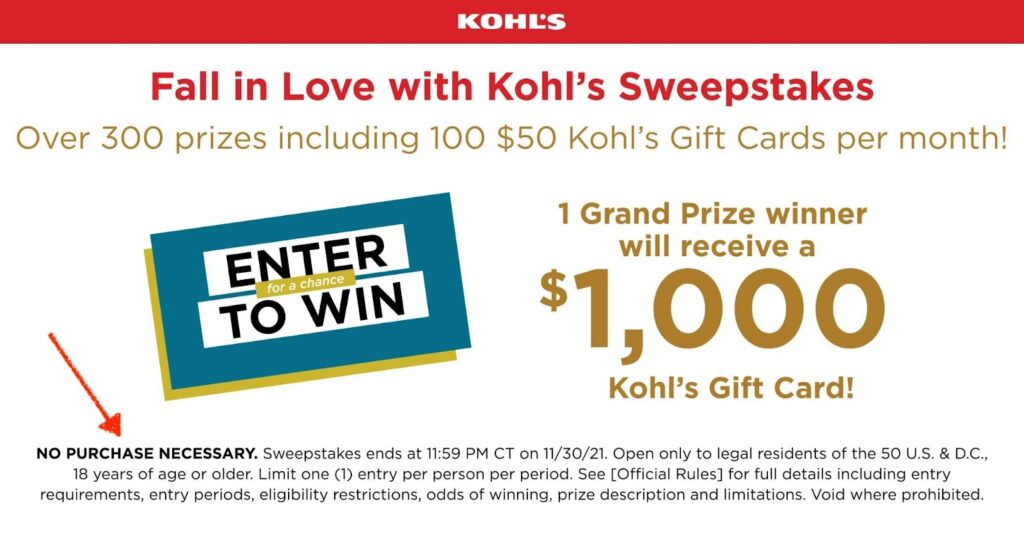
Legitimate sweepstakes are required to offer a free method of entry.
“No purchase necessary” means:
- You do not have to buy anything to enter
- Purchasing does not improve your odds
- Free entry options are clearly provided
This rule ensures sweepstakes are promotional tools, not gambling.
Entry Confirmation and What Happens Next
After entering, participants may receive:
- An on-screen confirmation
- A confirmation email
- A unique entry ID
From that point:
- No further action is usually required
- Entries remain valid until the drawing date
- Winners are selected after the entry period closes
Participants should keep confirmation emails for reference.
How Winners Are Notified
Winners are typically contacted using the information provided during entry.
Notification methods may include:
- Phone call
- Direct message
- Certified mail (for high-value prizes)
Legitimate sponsors never require winners to pay fees upfront to claim a prize.
Claiming a Prize
If selected as a winner, participants may need to:
- Verify identity
- Confirm eligibility
- Complete a prize claim form
- Meet response deadlines
Failure to respond within the required time frame may result in forfeiture and selection of an alternate winner.

Taxes and Prize Considerations
Prizes may have tax implications.
Important considerations include:
- Cash prizes may be taxable income
- Non-cash prizes may have assigned monetary value
- Winners may receive tax documentation
Participants are responsible for understanding and complying with applicable tax obligations.
What to Expect if You Don’t Win
Most sweepstakes participants do not win.
This is normal and expected due to:
- High entry volumes
- Limited number of prizes
Not winning does not mean:
- The sweepstakes was unfair
- The entry was invalid
- Something was done incorrectly
Sweepstakes should be viewed as optional opportunities, not guaranteed outcomes.
Legitimate Sweepstakes vs Scams
Understanding how real sweepstakes work helps avoid scams.
Red flags include:
- Requests for payment to claim prizes
- Pressure to act immediately
- Requests for sensitive information
- Messages claiming you won without entering
Legitimate sweepstakes:
- Clearly list official rules
- Identify sponsors
- Offer free entry methods
- Do not charge winners
Caution and verification are essential.

Managing Sweepstakes Emails and Communication
Entering sweepstakes may increase promotional emails.
Best practices include:
- Using a dedicated email address
- Reviewing privacy policies
- Unsubscribing from unwanted communications
Managing communication ensures sweepstakes participation remains positive rather than overwhelming.
Sweepstakes and Expectations Management
It’s important to approach sweepstakes realistically.
Good expectations include:
- Viewing entries as low-effort opportunities
- Avoiding reliance on winning
- Participating only when comfortable with information sharing
Sweepstakes are entertainment and promotion — not income strategies.
Why Some People Win More Often
Some participants appear to win more frequently.
Possible reasons include:
- Entering consistently
- Participating in smaller sweepstakes
- Following rules carefully
- Responding quickly to notifications
Persistence and attention to detail can improve outcomes, but chance always plays the central role.
Sweepstakes for Different Types of Prizes
Sweepstakes vary widely in prize types.
Common categories include:
- Cash prizes
- Gift cards
- Travel packages
- Electronics
- Subscription services
Understanding prize details helps participants decide which opportunities align with their interests.
Age, Location, and Eligibility Rules
Eligibility is governed by official rules.
Restrictions may include:
- Minimum age requirements
- Geographic limitations
- Residency status
- Employment exclusions
Participants should review eligibility criteria before entering to avoid disqualification.
Sweepstakes and Data Privacy
Reputable sweepstakes address privacy clearly.
Participants should:
- Review data usage policies
- Avoid oversharing information
- Understand opt-in terms
Responsible participation protects personal information.
Benefits of Participating in Sweepstakes
While winning is uncertain, benefits include:
- Entertainment value
- Discovery of new brands
- Potential rewards
- No-cost participation
For many, sweepstakes add a sense of excitement without financial risk.
Common Misconceptions About Sweepstakes
Myth: Sweepstakes are rigged
Reality: Legitimate sweepstakes follow regulated random selection.
Myth: Only frequent entrants win
Reality: Every valid entry has a chance.
Myth: You must buy something
Reality: Free entry is required.
Myth: Winning is instant
Reality: Most drawings occur after the entry period ends.
Understanding these facts prevents frustration.
Tips for Responsible Participation
To participate responsibly:
- Enter only reputable sweepstakes
- Read official rules
- Avoid sharing sensitive data
- Set realistic expectations
Treat sweepstakes as optional opportunities, not obligations.
The Role of Sweepstakes in Modern Marketing
Sweepstakes remain popular because they work.
They:
- Engage audiences
- Build brand visibility
- Offer value to participants
- Encourage interaction without pressure
As long as they are transparent and fair, sweepstakes continue to benefit both sponsors and entrants.
Final Thoughts
Sweepstakes entries work by allowing individuals to participate in random drawings for prizes without requiring a purchase. The process is simple, accessible, and designed to be fair when run by legitimate sponsors.
Understanding what to expect — from entry rules and odds to winner notification and prize claims — helps participants engage confidently and avoid disappointment or risk.
Sweepstakes are not guarantees, but they are opportunities. When approached with clear expectations and informed participation, they can be a fun, low-effort way to explore potential rewards.


