

Hair loss affects millions of men and women worldwide. For some, it begins gradually with thinning or a receding hairline. For others, it progresses quickly and impacts confidence, self-image, and daily life. As treatments have advanced, hair transplants have become a widely discussed option for those seeking a long-term solution.
However, a hair transplant is not a simple cosmetic decision. It is a medical procedure with permanent results, costs, limitations, and recovery considerations. Understanding what to expect before moving forward can help set realistic expectations and avoid disappointment.
This guide explains what to know before considering a hair transplant, including how the procedure works, who may be a good candidate, potential risks, and important questions to ask.

Understanding Hair Transplants At A Basic Level
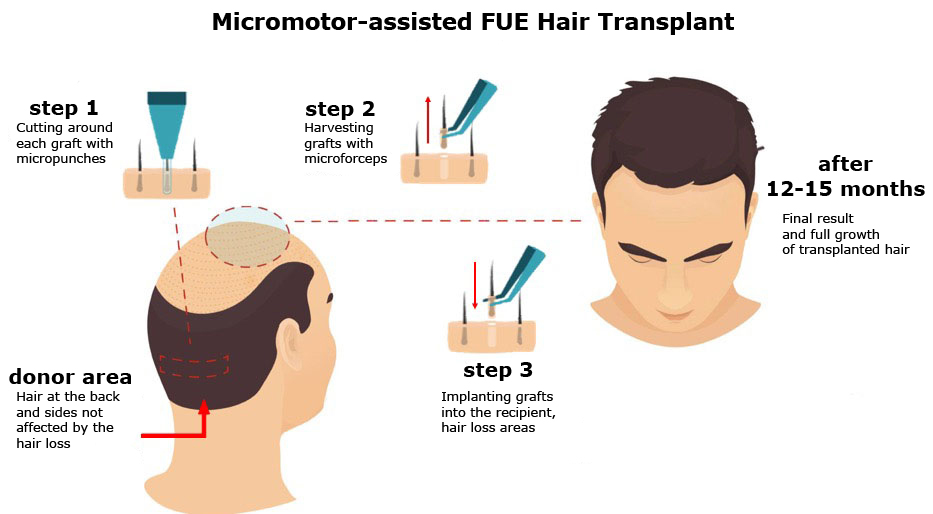
A hair transplant involves moving hair follicles from one part of the body (usually the back or sides of the scalp) to areas experiencing thinning or baldness. These transplanted follicles are typically resistant to hair loss and can continue growing hair long term.
The goal is not to create new hair, but to redistribute existing healthy follicles to areas where they are needed most.
Because the number of donor follicles is limited, planning and expectations are critical.
Common Types Of Hair Transplant Procedures
While techniques continue to evolve, most modern procedures fall into two categories.
Follicular Unit Extraction (FUE)
This method involves removing individual hair follicles one by one and transplanting them into thinning areas. It leaves tiny dot scars that are usually difficult to see once healed.
FUE is often preferred for:
- Short hairstyles
- Faster recovery
- Less visible scarring
Follicular Unit Transplantation (FUT)
This technique removes a thin strip of scalp from the donor area, which is then divided into grafts. The donor area is closed with sutures, leaving a linear scar.
FUT may be chosen when:
- A large number of grafts is needed
- Donor hair density is high
- Cost is a major factor
Each method has advantages and tradeoffs that should be discussed with a qualified provider.
Who Is Typically A Good Candidate
Not everyone experiencing hair loss is an ideal candidate for a transplant. Suitability depends on several factors.
You may be a better candidate if:
- Hair loss has stabilized or slowed
- You have sufficient donor hair
- Hair loss follows a predictable pattern
- You are in good general health
- You have realistic expectations
People with early hair loss may be advised to wait, as future thinning could affect the final appearance.
Why Timing Matters More Than Most People Think
One of the most common mistakes is pursuing a transplant too early. Hair loss is often progressive, and transplanting too soon can lead to unnatural results later if surrounding hair continues to thin.
A long-term plan should account for:
- Future hair loss patterns
- Donor area preservation
- Potential need for additional procedures
Good providers prioritize natural aging of the hairline, not just short-term density.
What Results Can And Cannot Look Like
Hair transplants can improve appearance significantly, but they do not restore childhood density.
Important realities include:
- Transplanted hair grows gradually over months
- Density is limited by donor supply
- Hairlines are designed conservatively
- Final results may take 9–12 months
Understanding these limitations helps avoid unrealistic expectations fueled by heavily edited marketing photos.

Recovery And Downtime Expectations
Recovery time varies depending on the technique and individual healing response.
Typical recovery considerations:
- Scalp redness and scabbing for 7–14 days
- Swelling around the forehead in some cases
- Temporary shedding of transplanted hair
- Gradual regrowth beginning after several months
Most people can return to non-physical work within a few days, but exercise restrictions usually apply for several weeks.
Potential Risks And Side Effects
As with any medical procedure, hair transplants carry some risk.
Possible side effects include:
- Infection
- Scarring
- Uneven growth
- Shock loss of surrounding hair
- Unsatisfactory cosmetic results
Choosing an experienced provider significantly reduces these risks.
Cost Considerations And Long-Term Value
Hair transplant costs vary widely based on:
- Number of grafts
- Technique used
- Provider experience
- Geographic location
Prices can range from several thousand to tens of thousands of dollars. It’s important to factor in potential future procedures and ongoing hair loss treatments when budgeting.
A transplant should be viewed as a long-term investment, not a quick fix.
The Role Of Non-Surgical Alternatives
Before committing to surgery, many people explore non-surgical options.
These may include:
- Prescription medications
- Topical treatments
- Low-level laser therapy
- Lifestyle and nutritional adjustments
In some cases, these options can slow hair loss enough to delay or avoid surgery altogether.

Questions To Ask Before Moving Forward
Before deciding, consider asking:
- Am I a good candidate right now?
- How will future hair loss be managed?
- How many grafts are recommended and why?
- What results are realistic for my case?
- What does the recovery process involve?
- What happens if I am unhappy with the result?
Clear answers help align expectations and outcomes.
Emotional And Psychological Factors
Hair loss can affect confidence, self-esteem, and social comfort. While a transplant can improve appearance, it should not be viewed as a solution to deeper emotional concerns.
The most satisfied patients are those who:
- Understand the limits of the procedure
- Make informed decisions
- Choose surgery for personal reasons, not pressure
A thoughtful decision often leads to better long-term satisfaction.
Final Thoughts
Considering a hair transplant is a significant decision that deserves careful research. While modern techniques offer natural-looking results for many people, success depends on timing, candidacy, provider expertise, and realistic expectations.
Knowing what to expect before considering a hair transplant helps ensure that the outcome aligns with your goals — not just today, but years into the future.


