

Understanding Tools That Improve Blood Sugar Control and Long-Term Health
Effective diabetes management depends on accurate, consistent monitoring. Whether someone is newly diagnosed or has lived with diabetes for years, testing options play a critical role in understanding blood sugar patterns, guiding treatment decisions, and preventing complications.
This article explains how diabetes testing options support better monitoring, the types of tests available, and how choosing the right tools can improve daily control and long-term outcomes.
Why Diabetes Monitoring Is Essential
Diabetes affects how the body regulates blood glucose. Without proper monitoring, blood sugar levels can fluctuate unpredictably, increasing the risk of complications such as heart disease, nerve damage, kidney problems, and vision loss.
Regular testing helps individuals:
- Identify high or low blood sugar episodes
- Adjust medication, diet, or activity
- Understand how lifestyle choices affect glucose levels
- Prevent long-term complications
Monitoring transforms diabetes from a reactive condition into a manageable one.
The Role of Testing in Daily Diabetes Care
Diabetes testing provides real-time feedback. Each test offers insight into how the body responds to:
- Meals and snacks
- Physical activity
- Medications and insulin
- Stress and illness
This feedback empowers people to make informed decisions throughout the day.
Blood Glucose Meters
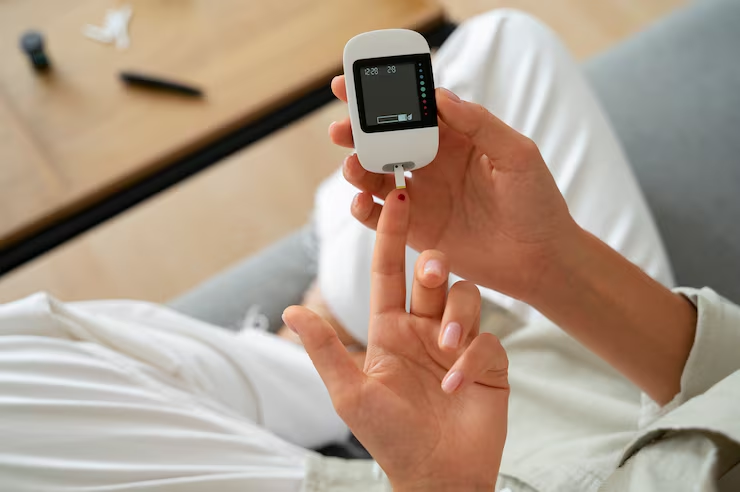
Blood glucose meters are among the most common diabetes testing tools. They measure glucose levels using a small blood sample, typically from a fingertip.
How They Support Monitoring
- Provide immediate readings
- Allow frequent daily testing
- Help detect highs and lows
Meters are reliable, widely available, and often covered by insurance or assistance programs.
Continuous Glucose Monitoring Systems
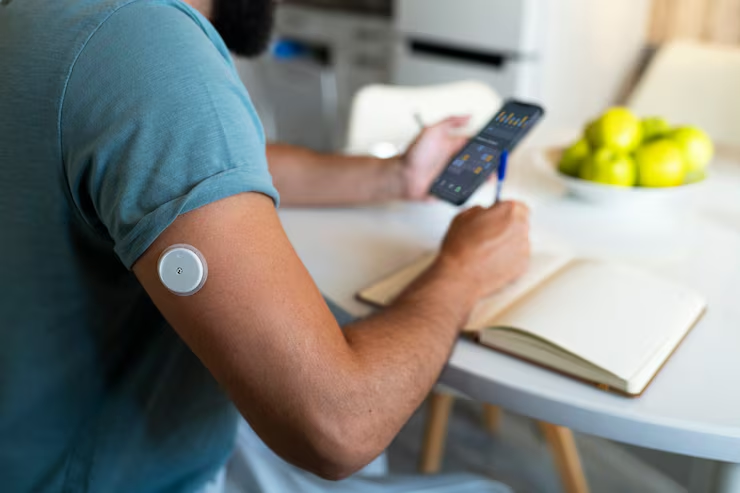
Continuous glucose monitoring (CGM) systems track glucose levels throughout the day and night using a small sensor placed under the skin.
Key Benefits
- Continuous data without fingersticks
- Trend tracking and pattern recognition
- Alerts for dangerously high or low levels
CGMs offer a broader picture of glucose behavior, making them especially useful for people who experience frequent fluctuations.
Flash Glucose Monitoring
Flash glucose monitoring systems allow users to scan a sensor to obtain a current glucose reading.
How They Help
- Reduce fingerstick testing
- Provide trend arrows and historical data
- Offer discreet monitoring
These systems balance convenience with detailed insight.
Hemoglobin A1C Testing
The A1C test measures average blood glucose levels over the past two to three months. It is typically performed during routine medical visits.
Why It Matters
- Reflects long-term glucose control
- Helps assess treatment effectiveness
- Guides adjustments to care plans
A1C testing complements daily monitoring by showing overall progress.
Oral Glucose Tolerance Tests
Oral glucose tolerance tests evaluate how the body processes sugar over time. These tests are commonly used:
- During diagnosis
- To assess insulin response
While not used for daily monitoring, they provide valuable diagnostic insight.
Ketone Testing
Ketone testing helps detect dangerous levels of ketones in the blood or urine, particularly for people with type 1 diabetes.
Monitoring Benefits
- Early detection of diabetic ketoacidosis
- Added safety during illness or high glucose levels
Ketone testing enhances monitoring during high-risk situations.
Choosing the Right Testing Frequency
Testing frequency depends on factors such as:
- Type of diabetes
- Treatment plan
- Use of insulin
- Blood sugar stability
Some individuals test multiple times daily, while others rely more on CGM or periodic testing.
How Testing Improves Medication Management
Accurate glucose data allows healthcare providers to:
- Adjust insulin doses
- Modify oral medications
- Reduce side effects
- Improve overall control
Testing ensures treatment decisions are based on real-world data rather than guesswork.
Supporting Dietary Choices With Testing

Testing reveals how different foods affect blood sugar. Over time, individuals learn:
- Which foods cause spikes
- How portion sizes matter
- The impact of meal timing
This insight supports personalized nutrition planning.
Exercise and Blood Sugar Monitoring
Physical activity can lower blood sugar, but effects vary. Testing before and after exercise helps:
- Prevent hypoglycemia
- Optimize workout timing
- Adjust carbohydrate intake
Monitoring makes exercise safer and more effective.
Preventing Hypoglycemia Through Testing
Low blood sugar can be dangerous. Testing helps detect early signs, allowing quick action such as:
- Eating fast-acting carbohydrates
- Adjusting medication timing
CGM alerts provide additional protection against unexpected drops.
Monitoring During Illness or Stress
Illness and stress can raise blood sugar levels. Increased testing during these times helps:
- Identify abnormal patterns
- Prevent complications
- Guide temporary treatment changes
Flexible testing supports safe management during disruptions.
Testing Options for Different Age Groups
Testing needs vary by age.
Children and Adolescents
- CGMs reduce fingersticks
- Alerts help caregivers monitor remotely
Adults
- Meters and CGMs support work and lifestyle flexibility
Seniors
- Simplified devices improve ease of use
- Clear displays enhance safety
Choosing age-appropriate tools improves consistency.
Accessibility and Affordability of Testing Tools
Many diabetes testing supplies are covered by:
- Health insurance
- Government assistance programs
- Manufacturer discount programs
Understanding coverage options helps reduce cost barriers.
Integrating Technology With Diabetes Testing
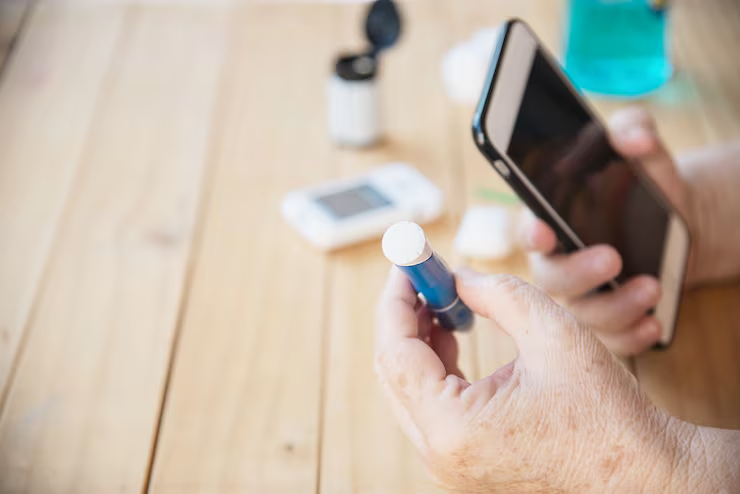
Modern testing devices often sync with apps that:
- Store glucose data
- Generate reports
- Share information with healthcare providers
Digital integration improves tracking and communication.
Data-Driven Diabetes Management
Testing data reveals patterns over time. Analyzing trends helps:
- Identify recurring issues
- Adjust long-term strategies
- Improve consistency
Data-driven care leads to better outcomes.
Reducing Complications Through Monitoring
Consistent testing supports early intervention, reducing risks of:
- Cardiovascular disease
- Neuropathy
- Kidney damage
- Vision loss
Better monitoring equals better prevention.
Emotional Benefits of Reliable Monitoring
Testing reduces uncertainty. Knowing glucose levels:
- Increases confidence
- Reduces anxiety
- Encourages proactive care
Empowerment is an important aspect of diabetes management.
Common Challenges With Diabetes Testing
Challenges may include:
- Testing fatigue
- Device discomfort
- Data overload
Choosing user-friendly tools and establishing routines helps overcome these barriers.
Working With Healthcare Providers
Sharing testing data with healthcare providers enables:
- Personalized treatment adjustments
- Better communication
- More productive appointments
Testing strengthens the patient-provider partnership.
How Monitoring Evolves Over Time
As diabetes changes, testing needs may evolve. Regular reassessment ensures:
- Tools remain effective
- Monitoring stays aligned with treatment
Flexibility supports long-term success.
The Future of Diabetes Testing
Advancements continue to improve testing accuracy, comfort, and convenience. Innovations aim to:
- Reduce invasiveness
- Improve data insights
- Expand access
Future options promise even better monitoring experiences.
Final Thoughts
Diabetes testing options are essential tools for effective monitoring and long-term health. From traditional blood glucose meters to advanced continuous monitoring systems, each option supports better understanding, safer decision-making, and improved outcomes.
By choosing the right testing tools and using them consistently, individuals with diabetes gain greater control, confidence, and clarity in managing their condition. Informed monitoring turns daily challenges into manageable routines and supports a healthier future.


