
A Practical Guide to Replacing Missing Teeth With Confidence
Dental implants have become one of the most effective and long-lasting solutions for replacing missing teeth. They restore function, appearance, and oral health in ways that traditional bridges or dentures often cannot. However, choosing the right implant option and understanding costs can feel overwhelming.
This article explains what to know about dental implant options and costs, including types of implants, candidacy, procedures, pricing factors, and how to make informed decisions.
What Are Dental Implants?
A dental implant is a titanium or ceramic post surgically placed into the jawbone to act as an artificial tooth root. Once healed, it supports a crown, bridge, or denture.
Dental implants are designed to:
- Replace missing teeth permanently
- Restore chewing efficiency
- Prevent bone loss
- Improve speech and appearance
They closely mimic natural teeth in both function and feel.
Why Dental Implants Are a Popular Choice
Compared to other tooth replacement options, implants offer several advantages:
- Long-term durability
- Stable, non-removable support
- Preservation of jawbone structure
- No impact on neighboring teeth
For many patients, implants provide a more comfortable and natural solution.
Types of Dental Implant Options
Understanding available implant options helps determine the best fit for individual needs.
Single-Tooth Dental Implants
Single implants replace one missing tooth with:
- One implant post
- One abutment
- One custom crown
This option is ideal when surrounding teeth are healthy and intact.
Implant-Supported Bridges
When multiple teeth are missing in a row, implant-supported bridges may be used. Instead of placing an implant for every tooth, two or more implants support several replacement teeth.
Benefits include:
- Fewer implants required
- Strong, stable support
- Natural appearance
Implant-Supported Dentures
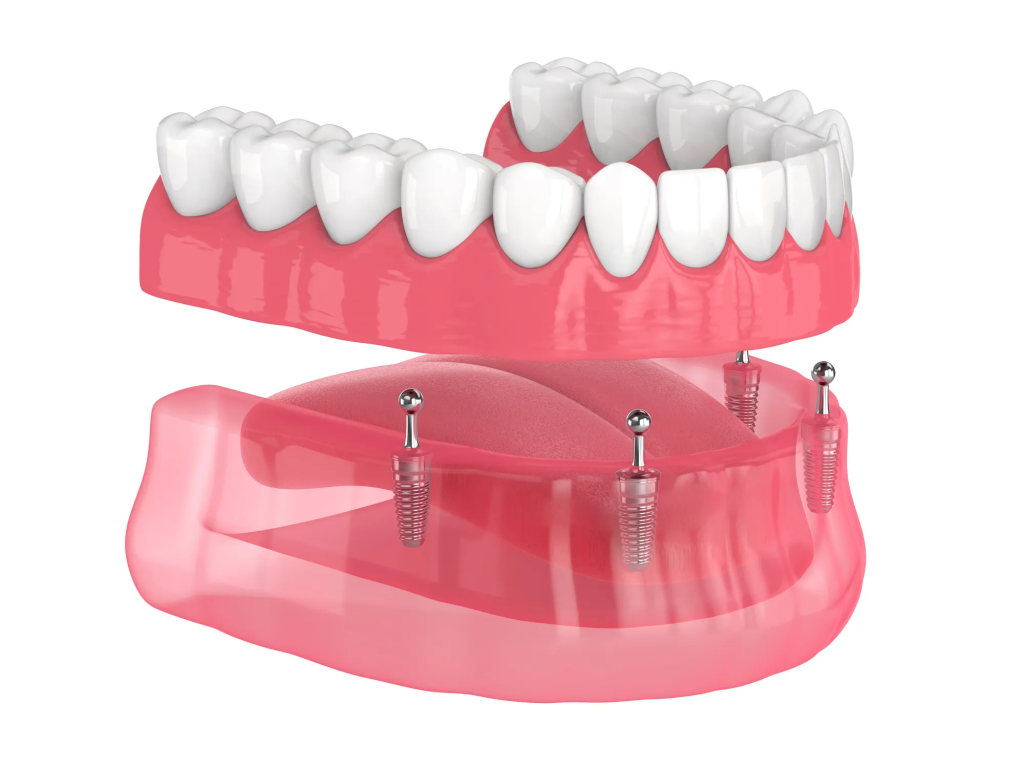
Implant-supported dentures replace most or all teeth in an arch. They are secured to implants for added stability.
Types include:
- Snap-in overdentures
- Fixed full-arch dentures
These options improve comfort and eliminate slipping common with traditional dentures.
Full-Arch and All-on-4 Implants
All-on-4 or similar systems use four to six implants to support a full arch of teeth. They offer:
- Immediate or rapid tooth replacement
- Reduced need for bone grafting
- Fixed, non-removable teeth
This approach is popular for patients missing all teeth in an upper or lower arch.
Materials Used in Dental Implants
Most dental implants are made from:
- Titanium: widely used, strong, and biocompatible
- Zirconia: metal-free alternative for aesthetic or allergy concerns
Material choice may affect cost and suitability.
Who Is a Candidate for Dental Implants?

Dental implants are suitable for many adults, but candidacy depends on several factors:
- Adequate jawbone density
- Healthy gums
- Good overall health
- Commitment to oral hygiene
Certain conditions may require additional planning but do not always disqualify patients.
Bone Grafting and Preparatory Procedures
Some patients require bone grafting to strengthen the jawbone before implant placement. This can add time and cost but improves long-term success.
Other preparatory procedures may include:
- Tooth extractions
- Sinus lifts
- Gum treatments
These steps ensure proper implant stability.
The Dental Implant Procedure Timeline
The implant process typically involves:
- Initial consultation and imaging
- Implant placement surgery
- Healing and osseointegration (several months)
- Abutment placement
- Final crown or prosthesis placement
Some systems offer same-day teeth in select cases, though not all patients qualify.
Understanding Dental Implant Costs
Dental implant costs vary widely based on individual needs and location. On average, costs may include:
- Single implant: higher per-tooth cost
- Full-arch implants: higher total cost but lower per-tooth cost
Prices reflect materials, expertise, and complexity.
Factors That Influence Implant Costs
Several factors impact pricing:
- Number of implants needed
- Type of restoration (crown, bridge, denture)
- Bone grafting or additional procedures
- Provider experience and technology
- Geographic location
Understanding these variables helps explain price differences.
Insurance Coverage and Financing Options
Dental insurance coverage for implants varies. Some plans may cover:
- Diagnostic exams
- Extractions
- Portions of crowns or restorations
Many dental offices offer financing options, including payment plans or third-party financing, to make treatment more accessible.
Comparing Dental Implants to Other Options

Dental Bridges
- Lower upfront cost
- Shorter lifespan
- Involves altering adjacent teeth
Dentures
- Most affordable upfront
- Less stability
- May require frequent adjustments
Dental Implants
- Higher initial investment
- Long-term durability
- Superior function and comfort
While implants cost more initially, they often offer better long-term value.
Longevity and Maintenance
With proper care, dental implants can last many years or even decades. Maintenance includes:
- Daily brushing and flossing
- Regular dental checkups
- Professional cleanings
Implants require similar care to natural teeth.
Potential Risks and Complications
As with any surgical procedure, implants carry risks, including:
- Infection
- Implant failure
- Nerve irritation
- Sinus issues (upper jaw implants)
Choosing an experienced provider and following care instructions minimizes risk.
Choosing the Right Dental Implant Provider
When selecting a provider, consider:
- Experience and training
- Use of advanced imaging
- Transparent pricing
- Patient reviews and outcomes
A qualified provider ensures safe placement and successful results.
Cosmetic and Functional Benefits

Dental implants restore:
- Natural chewing ability
- Clear speech
- Facial structure
- Confidence and comfort
The result often feels and looks like natural teeth.
Long-Term Oral Health Benefits
Implants help preserve jawbone density by stimulating bone growth. This prevents:
- Bone resorption
- Facial sagging
- Shifting of adjacent teeth
This preservation supports overall oral health.
When Dental Implants May Not Be Ideal
Implants may not be suitable for:
- Individuals with uncontrolled medical conditions
- Heavy smokers unwilling to quit
- Those unable to commit to oral hygiene
In such cases, alternative treatments may be recommended.
Making an Informed Decision
Understanding options, costs, and long-term benefits empowers patients to make informed decisions. A comprehensive consultation helps align treatment with personal goals and budget.
Final Thoughts
Dental implants offer a reliable, natural-feeling solution for replacing missing teeth. While costs vary, understanding available options and what influences pricing helps patients plan effectively.
By choosing the right implant type, provider, and financing approach, many individuals find that dental implants are a worthwhile investment in long-term oral health, comfort, and confidence.
If you are considering dental implants, a professional evaluation is the best next step toward restoring your smile and quality of life.


