
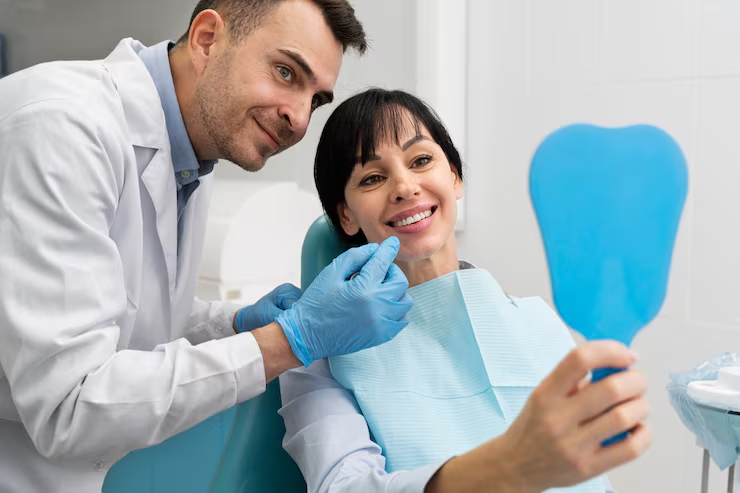
A Practical Guide to Dental Care, Coverage, and Cost-Effective Options
Good oral health is essential to overall well-being, yet many people delay or avoid dental care due to concerns about cost. The good news is that a wide range of general dental services are often covered by insurance, community programs, and affordable care options. Understanding what services are covered and how to access low-cost care ensures that more people can maintain healthy teeth and gums without unnecessary financial strain.
This article explains what general dental services are covered and affordable, who may qualify for assistance, and how to find cost-effective dental care that fits your needs.
Why General Dental Care Matters
Routine dental care supports oral health and prevents more serious issues from developing. Poor dental health can lead to pain, infection, difficulty eating, and even systemic health problems.
Regular access to basic services keeps teeth healthy, identifies issues early, and reduces the need for costly procedures later.
Common General Dental Services
General dental services encompass a range of preventive, diagnostic, and restorative care.
Dental Checkups and Examinations

Routine dental exams are foundational to oral health. They include:
- Visual assessment of teeth and gums
- Evaluation of bite and alignment
- Oral cancer screenings
- Early detection of decay and disease
Most insurance plans cover at least one dental exam per year, making this service accessible and affordable.
Professional Teeth Cleanings
Professional cleanings remove plaque and tartar buildup that brushing alone cannot. These visits:
- Prevent gum disease
- Reduce risk of cavities
- Improve breath and oral hygiene
Cleanings are often covered fully or with minimal copay by dental insurance.
Dental X-Rays and Imaging
X-rays are an important diagnostic tool, allowing dentists to see beneath the surface. Typical uses include:
- Checking for hidden decay
- Assessing bone levels
- Examining tooth roots
- Monitoring development
Insurance plans often cover routine X-rays annually or as clinically necessary.
Fillings and Minor Restorative Care
When cavities form, dental fillings restore tooth structure and function. Restorative services include:
- Tooth-colored (composite) fillings
- Silver amalgam fillings
- Repair of small fractures
Basic dental plans usually cover fillings at a standard percentage, making these services affordable.
Sealants for Cavity Prevention
Sealants are a preventive measure applied to the chewing surfaces of molars to block bacteria and food particles. They are especially common for:
- Children’s back teeth
- High-risk adults
Many insurers cover sealants, particularly for children, as a cost-effective preventive measure.
Periodontal (Gum) Care
Gum health is critical. Basic periodontal care such as:
- Scaling and root planing
- Gum disease monitoring
- Maintenance cleanings
May be partially covered based on individual risk and plan details.
Extractions and Simple Tooth Removal
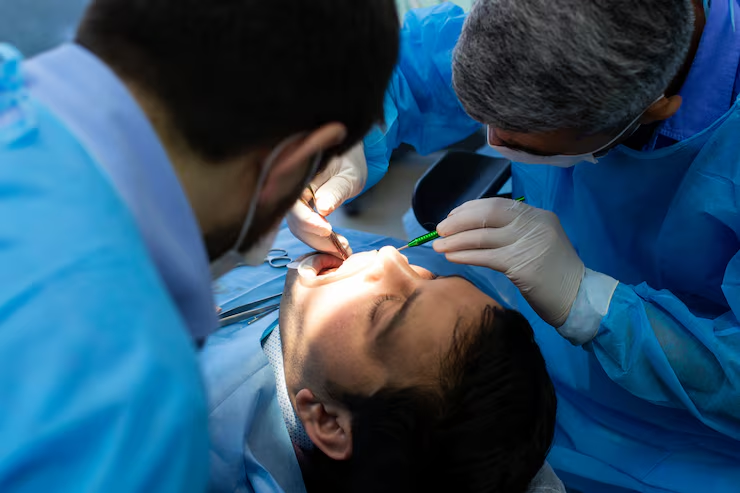
When a tooth cannot be preserved, extraction removes it to avoid infection and pain. Many plans include coverage for:
- Simple extractions
- Removal of decayed or non-restorable teeth
Coverage levels vary, but extractions are usually defined as basic services.
Affordable Dental Care at Community Clinics
For uninsured or underinsured individuals, community health centers and dental clinics offer low-cost services. These facilities often provide:
- Sliding fee scales based on income
- Reduced cost dental exams and cleanings
- Affordable fillings and extractions
Clinics may be funded by government or nonprofit programs, expanding access to care.
Government and Public Assistance Dental Coverage
Public programs support affordable dental care for qualifying individuals:
Children’s Dental Coverage
Government programs often include comprehensive dental benefits for children, covering:
- Exams
- Cleanings
- Fillings
- X-rays
Early care reduces long-term oral health issues.
Medicaid Dental Benefits
Medicaid may cover dental care for eligible low-income adults and children, depending on state provisions. Covered services can include:
- Preventive care
- Restorative treatments
- Extractions
- Oral health education
Enrollment information is available through local agencies.
Dental Insurance and Preventive-First Plans
Dental insurance plans vary, but many emphasize preventive care as a cost-saving strategy. Common characteristics include:
- No cost or low copay for exams and cleanings
- Coverage for basic services at a fixed percentage
- Lower coverage limits for major services
Choosing a plan with strong preventive coverage reduces future costs.
Discount Dental Plans
Discount dental plans are an alternative to insurance. For an annual or monthly fee, members receive reduced rates on dental services at participating providers.
Benefits include:
- Immediate use without waiting periods
- Savings on exams, cleanings, and restorative care
- Access to a network of dentists
These plans may be especially useful for uninsured adults.
Dental Schools and Student Clinics

Dental schools often operate teaching clinics where supervised students provide care at reduced rates. Services commonly offered include:
- Exams and cleanings
- Restorative care
- X-rays
Fees are lower because care is provided as part of training, with supervision by licensed professionals.
Payment Plans and Care Financing
Many dental offices offer payment plans that break treatment costs into manageable monthly payments. Options may include:
- In-office financing
- Third-party financing programs
- Deferred interest plans
Financing makes even complex treatments more affordable when cash flow is limited.
Understanding Dental Plan Terminology
Understanding common terms helps you evaluate coverage and costs:
- Copay: The fixed amount you pay per visit
- Coinsurance: The percentage you pay after coverage
- Annual Maximum: The total amount a dental plan pays per year
- Waiting Period: Time before certain services are covered
- Network: Providers who offer negotiated rates
Knowing these terms helps compare plans and services.
Tips for Keeping Dental Care Affordable
Simple strategies make dental care more affordable:
Prioritize Preventive Care
Regular exams and cleanings detect problems early, reducing the need for costly treatments.
Shop Around
Ask multiple providers for cost estimates before major procedures.
Use Flexible Spending Accounts (FSA)
FSA funds reduce out-of-pocket costs for eligible dental expenses.
Ask About Discounts
Dental offices may offer savings for paying upfront or joining in-office membership plans.
Budget for Care
Setting aside funds for dental needs prevents delays when treatment is necessary.
Matching Services to Needs
Not all dental services are required at every visit. Your dentist can help tailor care based on:
- Age and risk factors
- Current oral health status
- Budget considerations
Personalized plans balance affordability and comprehensive care.
When Major Dental Services May Be Required
While general services are often affordable or covered, major services such as:
- Crowns and bridges
- Root canals
- Tooth replacement options (implants, dentures)
May require higher coverage or financing. Planning ahead ensures readiness.
How Regular Dental Care Reduces Long-Term Costs
Investing in general dental care prevents disease progression. Early treatment:
- Reduces the need for major procedures
- Preserves natural teeth
- Improves overall health outcomes
Regular care yields long-term cost savings.
Common Misconceptions About Dental Coverage
Misconceptions include:
- “Dental insurance only covers cleanings”
- “Affordable care means low-quality care”
- “You must be uninsured to get discounts”
In reality, many affordable options exist across care levels and coverage types.
How to Choose the Best Affordable Dental Provider
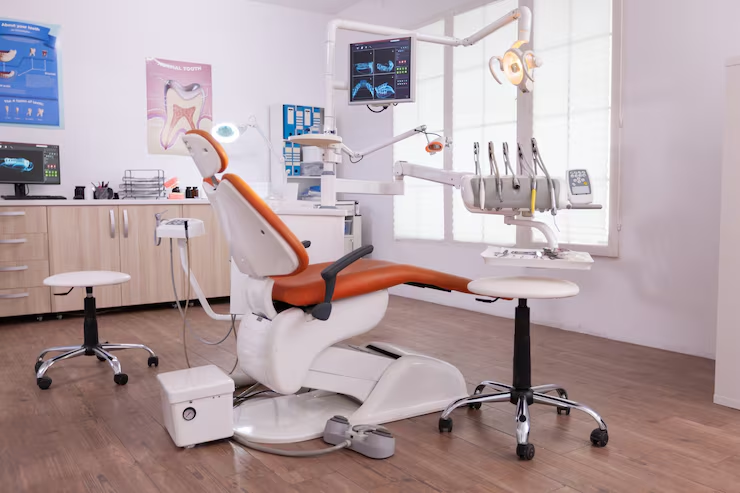
Selecting a provider should consider:
- Accepted plans and discounts
- Transparency of pricing
- Quality of care and patient reviews
- Location and accessibility
Affordable care is most beneficial when quality is consistent.
Final Thoughts
Good oral health shouldn’t be out of reach. A broad range of general dental services can be covered by insurance, provided through low-cost options, or accessed through flexible payment programs. By understanding what services are available, evaluating coverage options, and using cost-saving strategies, individuals and families can maintain healthy teeth and gums without undue financial burden.
Affordable dental care empowers you to prevent disease, preserve natural teeth, and enjoy long-term wellness. Smart planning and informed choices make all the difference.


