

Building a Balanced Diet for Long-Term Canine Health
Proper nutrition is the foundation of a dog’s health, longevity, and quality of life. Just like humans, dogs require a balanced intake of nutrients to support growth, energy, immune function, digestion, and overall well-being. However, dogs have unique nutritional needs that differ significantly from human diets.
Understanding what nutrients dogs need — and why — helps pet owners make informed decisions about food choices, portion sizes, and long-term care. This article explores the essential nutritional needs for healthy dogs at every life stage.
Understanding Canine Nutrition Basics
Dogs are omnivores with carnivorous tendencies. This means their bodies are designed to thrive on a diet that includes animal-based proteins alongside plant-derived nutrients.
A complete and balanced dog diet should provide:
- Energy for daily activity
- Building blocks for muscle and tissue
- Nutrients to support organs and immune health
- Components that promote healthy skin, coat, and digestion
Meeting these needs requires more than simply feeding until a dog feels full. Nutritional balance matters.
Protein: The Foundation of a Dog’s Diet
Protein is the most critical macronutrient for dogs. It supports muscle development, tissue repair, hormone production, and immune response.
High-quality protein sources include:
- Chicken
- Beef
- Fish
- Lamb
- Turkey
- Eggs
Dogs require specific amino acids that are best supplied by animal proteins. Insufficient protein intake can lead to muscle loss, weakness, and reduced immune function.
Protein needs vary based on age, size, and activity level. Puppies, working dogs, and highly active breeds require higher protein intake than sedentary adult dogs.
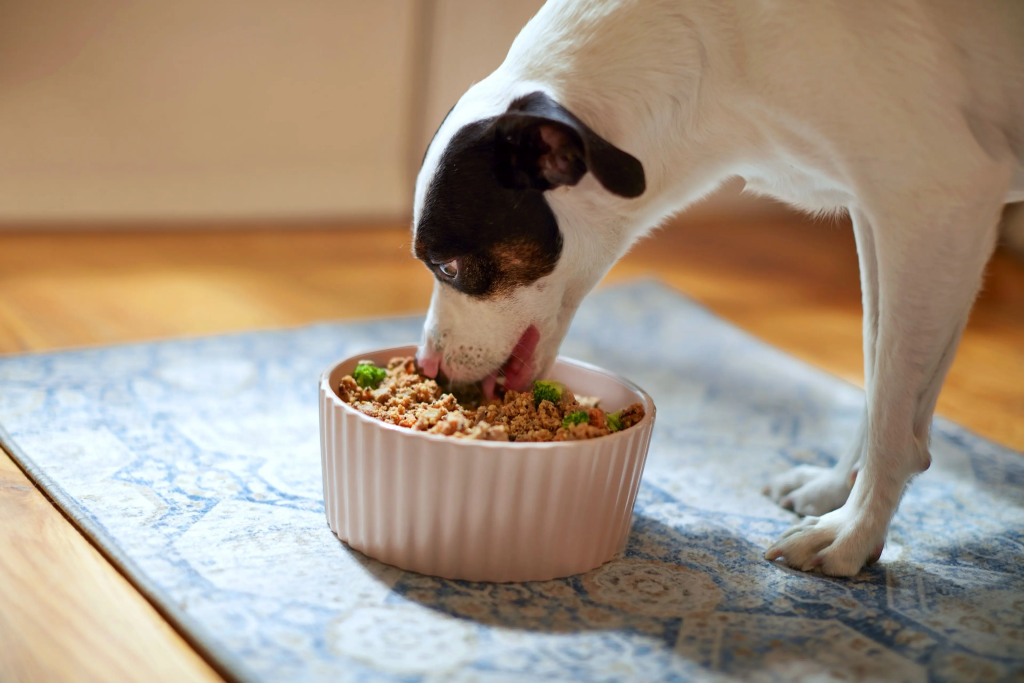
Fats: Energy and Essential Fatty Acids
Dietary fats provide concentrated energy and play a vital role in nutrient absorption and cellular health. Healthy fats also support brain development and coat condition.
Essential fatty acids include:
- Omega-3 fatty acids
- Omega-6 fatty acids
These fats contribute to:
- Healthy skin and coat
- Reduced inflammation
- Cognitive function
- Joint health
Common fat sources in dog food include fish oil, chicken fat, flaxseed oil, and plant-based oils. A proper balance is important, as excess fat can contribute to obesity.
Carbohydrates: Energy and Digestive Support
While dogs do not require carbohydrates in the same way humans do, carbohydrates can be a beneficial energy source when properly selected.
Healthy carbohydrate sources include:
- Brown rice
- Oats
- Sweet potatoes
- Barley
- Peas
Carbohydrates provide:
- Readily available energy
- Dietary fiber for digestion
- Support for gut health
Poor-quality fillers or excessive carbohydrates may cause weight gain or digestive upset. Quality and portion control are key.
Vitamins: Supporting Vital Body Functions
Vitamins are essential micronutrients that support metabolism, vision, immune response, and bone development.
Important vitamins for dogs include:
- Vitamin A for vision and skin health
- Vitamin D for calcium regulation
- Vitamin E for antioxidant protection
- B-complex vitamins for energy metabolism
Most complete commercial dog foods provide adequate vitamins. Supplementation should only be done under veterinary guidance, as excessive vitamin intake can be harmful.
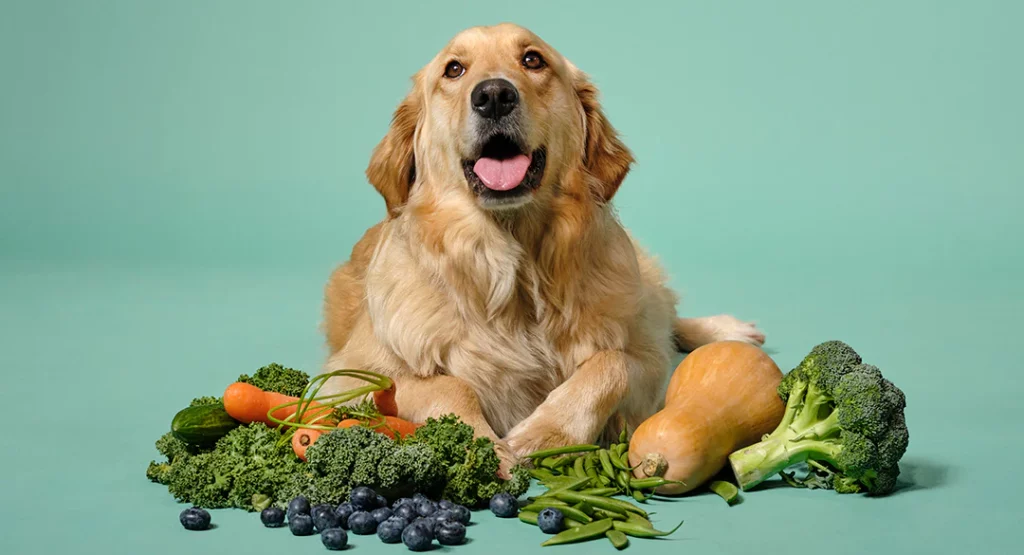
Minerals: Structural and Metabolic Support
Minerals are necessary for bone strength, nerve function, muscle contraction, and fluid balance.
Key minerals include:
- Calcium and phosphorus for bone health
- Magnesium for muscle and nerve function
- Zinc for immune health and skin repair
- Iron for oxygen transport
Balanced mineral intake is especially important for puppies and large-breed dogs, as improper levels can affect skeletal development.
Water: The Most Overlooked Nutrient
Water is the most essential nutrient for dogs. Proper hydration supports digestion, circulation, temperature regulation, and waste elimination.
Dogs should always have access to clean, fresh water. Dehydration can occur quickly, especially in hot climates or during increased activity.
Wet food diets contribute additional moisture, but dry-fed dogs must rely more heavily on water intake.
Fiber: Digestive and Gut Health
Dietary fiber supports healthy digestion and stool quality. It also helps regulate blood sugar levels and contributes to a healthy gut microbiome.
Sources of fiber include:
- Pumpkin
- Beet pulp
- Vegetables
- Whole grains
The right amount of fiber promotes regular digestion without causing bloating or discomfort.
Life Stage Nutrition Requirements
Nutritional needs change throughout a dog’s life.
Puppies
Puppies require higher levels of protein, fat, and certain minerals to support rapid growth and development.
Adult Dogs
Adult dogs need maintenance nutrition that supports energy balance, muscle mass, and immune health.
Senior Dogs
Older dogs often benefit from:
- Slightly reduced calories
- Joint-supporting nutrients
- Easily digestible proteins
Adjusting nutrition by life stage helps prevent health issues.

Breed Size and Activity Level Considerations
Breed size influences nutritional requirements. Large-breed dogs have different calcium and calorie needs than small breeds.
Activity level also plays a role:
- Working and athletic dogs need higher energy intake
- Less active dogs require controlled calories to prevent weight gain
Tailoring nutrition helps maintain ideal body condition.
Homemade Diets vs Commercial Dog Food
Some owners choose homemade diets to control ingredients. While this can be beneficial, it requires careful planning.
Commercial dog foods labeled as “complete and balanced” are formulated to meet established nutritional standards.
Homemade diets should always be designed with veterinary or canine nutritionist guidance to avoid deficiencies or imbalances.
Common Nutritional Mistakes to Avoid
- Overfeeding and excessive treats
- Feeding human foods unsafe for dogs
- Inconsistent meal schedules
- Unnecessary supplementation
- Ignoring body condition changes
Even high-quality food can cause issues if portions are incorrect.
The Role of Treats and Supplements
Treats should complement, not replace, balanced meals. Ideally, treats make up no more than 10% of daily caloric intake.
Supplements may support joint health, digestion, or skin condition, but should only be introduced when necessary and approved by a veterinarian.

Signs of Proper Nutrition in Dogs
A well-nourished dog typically shows:
- Healthy weight and muscle tone
- Shiny coat and clear eyes
- Good energy levels
- Consistent digestion
- Strong immune response
Changes in appearance or behavior may signal nutritional imbalance.
When to Consult a Veterinarian
Veterinary guidance is essential when:
- Changing diets
- Managing health conditions
- Feeding puppies or senior dogs
- Addressing allergies or intolerances
Professional advice ensures nutritional choices support long-term health.
Final Thoughts
Meeting a dog’s nutritional needs is one of the most important responsibilities of pet ownership. A balanced diet built on quality protein, healthy fats, essential vitamins and minerals, and proper hydration supports every aspect of canine health.
By understanding what dogs need at each life stage and tailoring nutrition accordingly, owners can promote longevity, vitality, and a better quality of life for their companions.
Healthy nutrition is not about trends — it is about consistency, balance, and informed care.


