

Empowering Awareness, Early Detection, and Better Outcomes
Breast health education plays a critical role in reducing illness, improving early detection, and ultimately saving lives. When individuals understand their bodies, recognize warning signs, and know when to seek medical care, serious conditions can be identified earlier—often when treatment is most effective.
This article explores how breast health education can help save lives, why awareness matters at every age, and how education supports prevention, early diagnosis, and long-term well-being.
Why Breast Health Education Matters
Breast-related conditions, including breast cancer and benign disorders, affect millions of people worldwide. Despite advances in screening and treatment, outcomes are strongly influenced by how early problems are detected.
Breast health education helps individuals:
- Understand normal breast anatomy and changes
- Recognize early warning signs
- Reduce fear and stigma
- Seek medical care promptly
Knowledge empowers people to take proactive steps rather than delay evaluation.
Understanding Normal Breast Changes
Breasts naturally change over time due to:
- Hormonal fluctuations
- Menstrual cycles
- Pregnancy and breastfeeding
- Aging
Education helps individuals distinguish between normal changes and symptoms that require medical attention. This reduces unnecessary anxiety while improving awareness of concerning signs.
Recognizing Early Warning Signs
One of the most life-saving benefits of breast health education is awareness of early symptoms, including:
- New lumps or thickening
- Changes in size or shape
- Skin dimpling or redness
- Nipple discharge or inversion
- Persistent breast pain
Many breast cancers are first detected by individuals who notice changes and seek care promptly.
The Importance of Early Detection
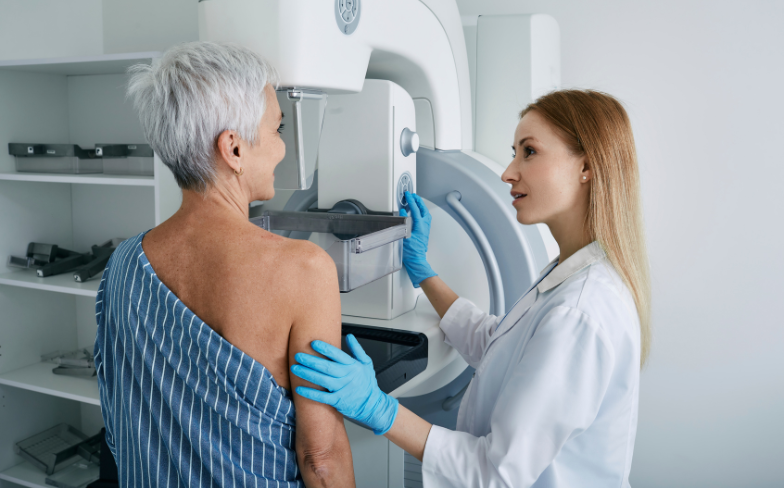
Early detection dramatically improves treatment outcomes. When breast cancer is found at an early stage:
- Treatment is often less aggressive
- Survival rates are significantly higher
- Quality of life is better preserved
Breast health education emphasizes regular screenings, self-awareness, and adherence to medical guidelines.
Breast Self-Awareness and Self-Exams
Modern breast health education promotes breast self-awareness rather than rigid self-exam routines. This approach encourages individuals to:
- Know how their breasts normally look and feel
- Notice changes over time
- Report concerns without delay
Self-awareness complements professional screening rather than replacing it.
Screening Guidelines and Education
Breast health education helps individuals understand:
- When to begin screening
- Which screening methods are appropriate
- How often screenings should occur
Clear guidance reduces confusion and increases screening participation, especially among populations that may avoid or delay care.
Reducing Fear and Misinformation
Fear and misinformation often prevent people from seeking screening or evaluation. Education addresses:
- Myths about breast cancer
- Misunderstandings about pain or radiation exposure
- Cultural stigmas
Accurate information builds confidence and trust in healthcare systems.
Addressing Disparities in Breast Health Outcomes
Access to education is a key factor in reducing health disparities. Communities with limited resources often experience:
- Lower screening rates
- Later-stage diagnoses
- Higher mortality
Breast health education initiatives improve equity by reaching underserved populations and promoting early care.
The Role of Education in High-Risk Populations

Some individuals face higher breast cancer risk due to:
- Family history
- Genetic mutations
- Previous breast conditions
Education helps high-risk individuals understand:
- Personalized screening plans
- Preventive options
- Lifestyle risk reduction
This targeted knowledge supports proactive decision-making.
Lifestyle Education and Risk Reduction
Breast health education often includes guidance on modifiable risk factors such as:
- Physical activity
- Alcohol consumption
- Nutrition
- Weight management
While not all risk factors can be controlled, lifestyle education supports overall health and may reduce risk.
Supporting Informed Decision-Making
Education enables individuals to participate actively in healthcare decisions. Understanding screening options, diagnostic tests, and treatment pathways leads to:
- Better communication with providers
- Reduced anxiety
- Improved satisfaction with care
Informed patients are better equipped to advocate for their health.
Education and Treatment Adherence
For those diagnosed with breast conditions, education supports treatment adherence by:
- Explaining the purpose of therapies
- Clarifying side effects
- Addressing concerns and expectations
Patients who understand their treatment are more likely to complete it successfully.
The Impact of Community-Based Education Programs
Community outreach programs play a vital role in spreading breast health education. These programs may include:
- Workshops and seminars
- Mobile screening units
- Educational campaigns
By meeting people where they are, education becomes more accessible and effective.
Digital Education and Technology

Digital platforms have expanded access to breast health education through:
- Online resources
- Telehealth consultations
- Educational videos and apps
Technology allows information to reach wider audiences and supports continuous learning.
Encouraging Regular Medical Care
Education reinforces the importance of regular healthcare visits. Routine exams allow providers to:
- Identify changes early
- Update screening plans
- Address questions or concerns
Preventive care is a cornerstone of breast health.
Emotional Support Through Education
Learning about breast health also supports emotional well-being. Education reduces fear by replacing uncertainty with understanding.
Supportive education empowers individuals to face health challenges with confidence rather than avoidance.
Educating Men and Families
Breast health education benefits not only individuals but also families. Educating partners and family members:
- Encourages support
- Promotes shared awareness
- Helps recognize symptoms
Breast health is a shared responsibility within families and communities.
Long-Term Benefits of Breast Health Education
The long-term impact of breast health education includes:
- Earlier detection rates
- Improved survival outcomes
- Reduced healthcare costs
- Stronger patient-provider relationships
Education creates lasting behavioral change that benefits public health.
Overcoming Barriers to Education
Barriers such as limited access, language differences, and cultural beliefs can hinder education efforts. Addressing these barriers ensures that accurate information reaches all populations.
Inclusive education saves lives by reaching those most at risk.
The Role of Healthcare Providers
Healthcare professionals are key educators. Clear communication, culturally sensitive counseling, and consistent messaging strengthen trust and engagement.
Provider-led education complements public health initiatives.
Final Thoughts

Breast health education is a powerful tool that saves lives by promoting awareness, early detection, and informed care. Knowledge empowers individuals to recognize changes, seek timely evaluation, and participate actively in their health decisions.
By investing in education at individual, community, and system levels, society can improve outcomes, reduce disparities, and ensure that more lives are protected through early intervention.
Breast health education is not just information—it is prevention, empowerment, and hope.


