

Owning and operating a vehicle is essential for millions of Americans. Whether it’s commuting to work, caring for family members, or maintaining independence, reliable transportation plays a critical role in daily life. What many drivers don’t realize is that motor vehicle benefits and assistance programs are available in most states to help reduce costs, improve accessibility, and support eligible residents.
These benefits can include fee reductions, tax exemptions, grants, rebates, special license programs, and mobility assistance. Availability varies by state, but many programs follow similar structures nationwide.
This guide explains what motor vehicle benefits may be available in your state, who typically qualifies, and how these programs can help lower the overall cost of vehicle ownership.
Why States Offer Motor Vehicle Benefits
State motor vehicle benefit programs exist to address three major needs:
- Affordability – reducing costs for low-income households and fixed-income residents
- Accessibility – supporting drivers with disabilities or medical limitations
- Public service recognition – honoring veterans, seniors, and essential workers
Because transportation is closely tied to employment and healthcare access, many states view these programs as economic and social support tools rather than handouts.
Common Types Of Motor Vehicle Benefits
While specific names and rules differ by state, most benefits fall into the categories below.
Reduced Registration And Licensing Fees
Many states offer discounted or waived fees for vehicle registration, license renewals, or title transfers.
These programs are often available to:
- Seniors above a certain age
- Veterans or military families
- Individuals receiving disability benefits
- Low-income households
In some states, discounts apply automatically once eligibility is verified. In others, drivers must submit documentation annually.
Vehicle Tax Exemptions And Credits

Some states provide tax relief related to vehicle ownership, including:
- Exemptions from sales tax on adapted vehicles
- Property tax reductions for certain vehicle types
- Credits for environmentally friendly vehicles
These programs are designed to reduce long-term ownership costs rather than upfront expenses.
Benefits For Drivers With Disabilities
Drivers with disabilities often qualify for specialized programs that improve safety and independence.
These may include:
- Disabled parking placards or plates
- Fee waivers for adaptive vehicle equipment
- Reduced licensing costs
- Extended renewal periods
Some states also offer financial assistance for vehicle modifications, such as hand controls or wheelchair lifts.
Eligibility usually requires medical certification or proof of disability benefits.
Veteran And Military Motor Vehicle Benefits
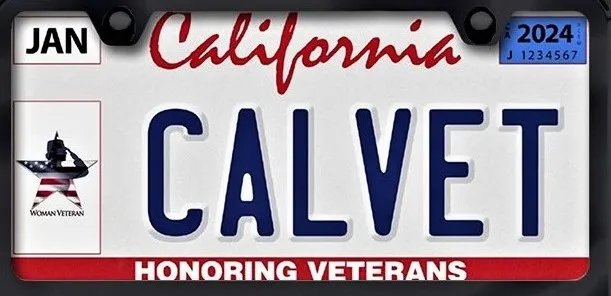
Many states provide exclusive vehicle benefits for veterans and active-duty service members.
Common benefits include:
- Free or reduced license plates
- Registration fee exemptions
- Driver’s license extensions during deployment
- Special designation markers on licenses
Some states also offer benefits to surviving spouses or dependents of service members.
Senior Driver Programs
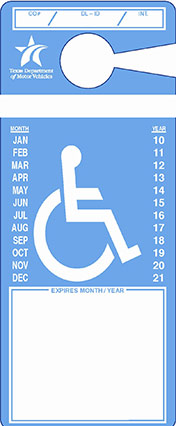
As drivers age, states often introduce programs designed to maintain mobility while improving safety.
These may include:
- Reduced renewal fees
- Longer license validity periods
- Vision test alternatives
- Voluntary driving assessments
Some states also offer transportation alternatives or vehicle-related grants for seniors who no longer drive but still need mobility support.
Low-Income Vehicle Assistance Programs
For households facing financial hardship, certain states provide vehicle-related assistance programs tied to employment or essential travel.
Examples include:
- Help paying registration or title fees
- Transportation vouchers
- Grants for vehicle repairs
- Reduced insurance requirements
These programs are often coordinated with workforce development or public assistance agencies.
Clean Vehicle And Environmental Incentives
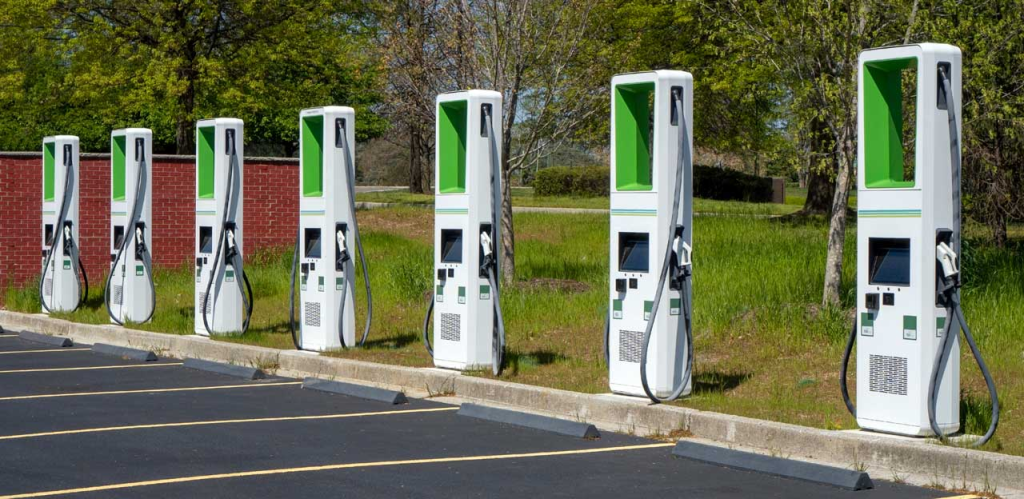
Many states now offer motor vehicle benefits tied to environmental goals.
These may include:
- Rebates for electric or hybrid vehicles
- Reduced registration fees for low-emission cars
- Tax credits for charging equipment
- Carpool lane access for qualifying vehicles
Even drivers who purchase used clean vehicles may qualify for partial benefits, depending on state rules.
Special License Plates And Designations
Specialty license plates are one of the most visible motor vehicle benefits available.
Depending on your state, these may recognize:
- Veterans
- First responders
- Disability status
- Environmental support
- Organizational affiliations
While some plates involve additional fees, others come with financial or parking benefits attached.
Temporary Hardship And Emergency Programs
In certain situations, states offer temporary relief programs related to motor vehicle compliance.
These may apply during:
- Natural disasters
- Economic downturns
- Public health emergencies
Benefits can include deadline extensions, fee forgiveness, or temporary licensing flexibility.
How To Find Benefits In Your State
Because programs vary widely, the best approach is to check official state resources.
Steps typically include:
- Visiting your state’s motor vehicle or transportation website
- Searching for sections related to benefits, exemptions, or assistance
- Reviewing eligibility criteria carefully
- Preparing required documentation
- Submitting applications online or by mail
Some benefits are automatic, while others require renewal.
Documents Commonly Required
Most applications ask for some combination of:
- Proof of residency
- Income verification
- Disability or medical certification
- Military service records
- Vehicle ownership documents
Submitting accurate and complete information helps avoid delays.
Why These Benefits Matter More Than Ever
Vehicle ownership costs have risen steadily in recent years. Registration fees, insurance, repairs, and fuel can strain household budgets.
Motor vehicle benefits help:
- Keep people employed
- Improve access to healthcare
- Support independence for seniors and disabled individuals
- Reduce financial stress for families
For many residents, these programs make the difference between maintaining reliable transportation or losing access altogether.
Common Misconceptions About Motor Vehicle Benefits
Many people assume they won’t qualify or that benefits are difficult to obtain. In reality:
- Eligibility is broader than expected
- Many programs are underused
- Application processes are often straightforward
- Benefits can stack in some cases
Taking time to research available programs can lead to meaningful savings.
Final Thoughts
Motor vehicle benefits are available in nearly every state, but they are often overlooked. Whether you’re a senior, veteran, low-income worker, or driver with a disability, assistance programs may exist to help lower costs and improve access to transportation.
Understanding what motor vehicle benefits are available in your state is the first step toward making vehicle ownership more affordable and sustainable.
Checking official state resources regularly ensures you don’t miss opportunities that could directly benefit you.


