
Why Vehicle Support Has Become So Important
For millions of people, a reliable vehicle is essential. Cars are not just a convenience — they are a lifeline for commuting to work, attending medical appointments, transporting family members, and managing daily responsibilities.
When vehicle-related costs rise or unexpected problems occur, drivers can quickly face serious challenges. Repairs, insurance requirements, registration fees, fuel costs, and emergencies can strain budgets, especially for individuals already under financial pressure.
Motor vehicle assistance programs exist to help drivers stay on the road safely and legally by reducing costs, offering support services, and preventing transportation barriers from disrupting daily life.
What Motor Vehicle Assistance Programs Are
Motor vehicle assistance programs are initiatives designed to help drivers manage the costs and responsibilities associated with vehicle ownership and use.
These programs may provide:
- Financial assistance for repairs or maintenance
- Help with insurance or registration costs
- Emergency roadside services
- Access to low-cost or donated vehicles
- Fuel or transportation support
Programs may be offered by government agencies, nonprofit organizations, community groups, or partner organizations focused on transportation access and safety.
Who These Programs Are Designed to Help
Motor vehicle assistance programs often focus on individuals who rely on a vehicle but face financial or logistical barriers.
They commonly support:
- Low-income drivers
- Seniors on fixed incomes
- People with disabilities
- Essential workers
- Families with limited transportation options
- Individuals experiencing temporary financial hardship
By targeting transportation stability, these programs help maintain independence and employment access.
Types of Motor Vehicle Assistance Programs
There are several categories of vehicle-related assistance, each addressing different driver needs.
Repair and Maintenance Assistance
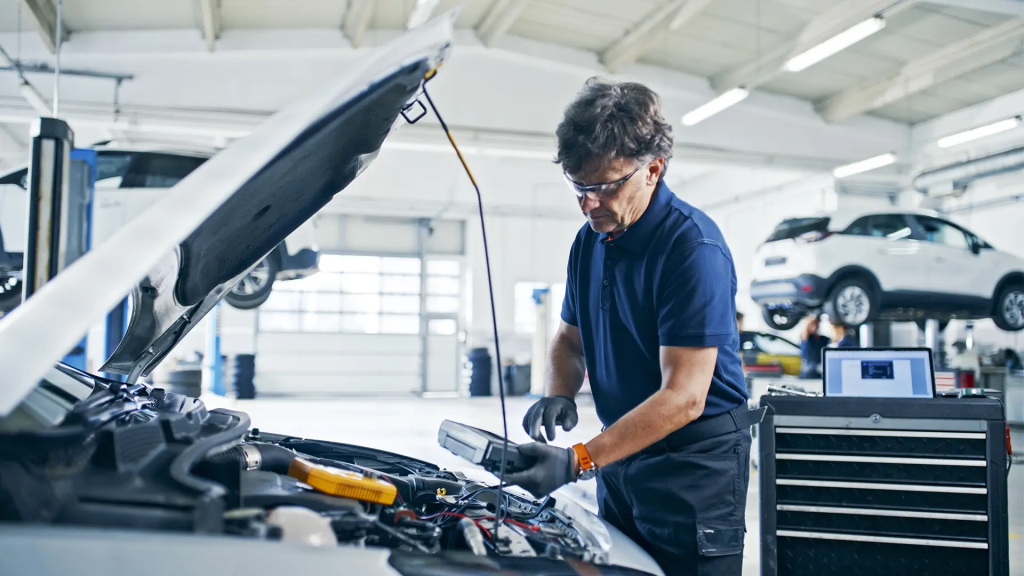
These programs help cover the cost of essential repairs such as:
- Brake repairs
- Tire replacement
- Engine or transmission issues
- Safety-related fixes
Keeping vehicles operational and safe is a top priority of many assistance initiatives.
Insurance and Registration Support
Some programs assist with:
- Insurance premiums
- Vehicle registration or inspection fees
- Compliance with legal driving requirements
This support helps drivers remain legally insured and registered, reducing the risk of fines or license suspension.

Emergency Roadside Assistance Programs
Unexpected breakdowns can happen to anyone.
Motor vehicle assistance programs may include:
- Towing services
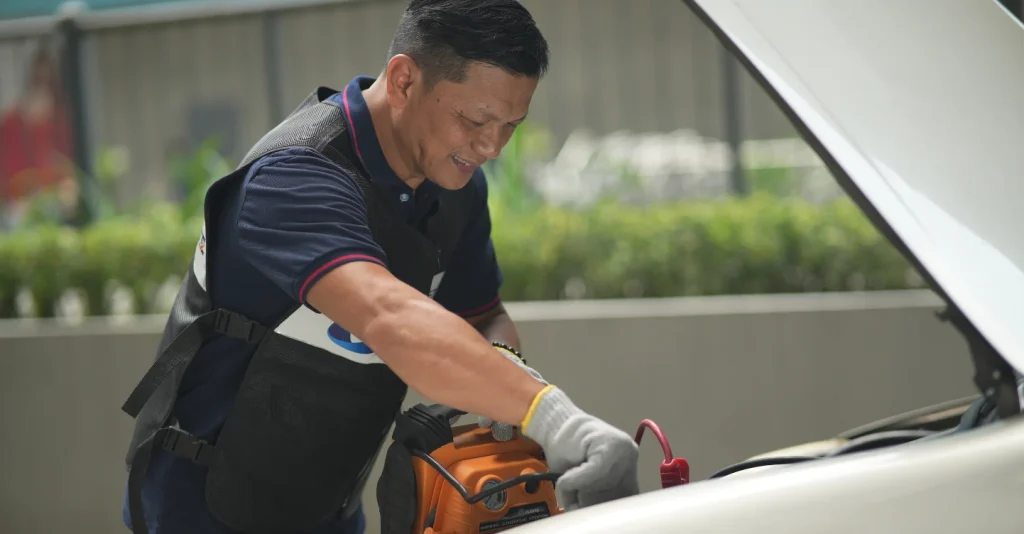
- Jump-starts for dead batteries
- Flat tire assistance
- Lockout services
- Emergency fuel delivery
These services help drivers avoid costly towing fees and stay safe during roadside emergencies.
Vehicle Access and Donation Programs
For some individuals, the biggest challenge is not maintaining a car — it’s having one at all.
Vehicle access programs may provide:
- Donated vehicles
- Low-cost vehicle purchase options
- Referrals to transportation resources
These programs help individuals secure reliable transportation when public transit is not a viable option.
Fuel and Transportation Support
Fuel costs can be a major burden for drivers with tight budgets.
Some assistance programs offer:
- Fuel vouchers or cards
- Reimbursement for work-related travel
- Transportation stipends
These supports help drivers continue commuting to work, school, or medical appointments.
How Eligibility Is Determined
Eligibility criteria vary depending on the program.
Common factors include:
- Income level
- Employment status
- Household size
- Vehicle ownership or usage
- Proof of need or hardship
Some programs are need-based, while others focus on specific groups such as essential workers or individuals with disabilities.

The Application Process Explained
Applying for motor vehicle assistance usually involves a structured process.
Typical steps include:
- Identifying available programs
- Completing an application
- Submitting required documentation
- Waiting for review and approval
- Receiving assistance or services
Documentation may include proof of income, vehicle ownership, repair estimates, or insurance information.
How Assistance Is Delivered
Motor vehicle assistance is provided in different ways.
Depending on the program, support may be:
- Paid directly to service providers
- Issued as vouchers or credits
- Provided through partner repair shops
- Delivered as services rather than cash
This approach helps ensure funds are used for vehicle-related needs.
Supporting Employment and Economic Stability
Transportation access is closely tied to employment.
Motor vehicle assistance programs help drivers:
- Get to work consistently
- Accept job opportunities farther from home
- Avoid missed shifts due to breakdowns
- Maintain reliable commuting options
By supporting transportation, these programs indirectly support income stability and career growth.
Safety and Compliance Benefits
Safe vehicles protect both drivers and communities.
Assistance programs help ensure:
- Vehicles meet safety standards
- Drivers remain insured and registered
- Repairs address critical safety issues
This reduces accident risk and promotes safer roads for everyone.
Reducing Financial Stress for Drivers
Vehicle expenses are often unpredictable.
Motor vehicle assistance programs reduce stress by:
- Covering emergency costs
- Preventing costly fines or penalties
- Avoiding high-interest debt for repairs
- Offering predictable support during hardship
This financial relief allows drivers to focus on recovery and stability.
Common Misconceptions About Vehicle Assistance Programs
Myth: These programs only help people without jobs
Reality: Many working individuals qualify due to rising costs.
Myth: Assistance only applies to major repairs
Reality: Some programs cover routine maintenance or emergency services.
Myth: The application process is too complicated
Reality: Many programs are designed to be accessible and straightforward.
Understanding these realities encourages more drivers to seek help when needed.
Combining Vehicle Assistance With Other Support Programs
Motor vehicle assistance often works best alongside other forms of aid.
Drivers may combine support with:
- Financial assistance programs
- Employment services
- Housing or utility assistance
- Healthcare support
Coordinated assistance helps address multiple challenges at once.
Limits, Renewals, and Program Availability
Most vehicle assistance programs have limits.
Important considerations include:
- Maximum assistance amounts
- One-time vs repeat eligibility
- Waiting periods between applications
- Program funding availability
Understanding these limits helps drivers plan responsibly.

Planning After Receiving Assistance
Vehicle assistance provides relief, but long-term planning is important.
Drivers may benefit from:
- Regular maintenance schedules
- Emergency savings planning
- Budgeting for future repairs
- Exploring insurance discounts or programs
Proactive planning reduces reliance on emergency assistance in the future.
When to Seek Additional Transportation Support
If vehicle ownership becomes unsustainable, other options may be considered.
These include:
- Public transportation programs
- Ride assistance services
- Employer transportation benefits
- Community transit resources
Assistance programs often help connect drivers with alternative solutions when needed.
Why Awareness of Motor Vehicle Assistance Programs Matters
Many drivers struggle silently with vehicle-related costs.
Increased awareness:
- Prevents job loss due to transportation issues
- Improves road safety
- Reduces financial hardship
- Strengthens community mobility
Access to information is often the first step toward stability.
Final Thoughts
Motor vehicle assistance programs support drivers by reducing the financial and logistical challenges of vehicle ownership and use. Through repair aid, emergency services, insurance support, fuel assistance, and vehicle access programs, these initiatives help drivers stay safe, employed, and connected.
While not a permanent solution, motor vehicle assistance programs provide critical support during difficult periods. By keeping drivers on the road, they protect independence, economic stability, and daily life continuity.
Reliable transportation matters — and these programs help ensure that temporary setbacks don’t become long-term barriers.


