
The Elements That Turn Moments Into Cultural Memory
Certain movie scenes stay with us long after the credits roll. They are quoted, referenced, rewatched, and remembered across generations. These moments become cultural touchstones, shaping how we think about cinema and storytelling.
But what exactly makes a movie scene iconic? It is rarely just one factor. Instead, unforgettable scenes emerge from a powerful combination of storytelling, performance, visual design, sound, timing, and emotional resonance. This article explores the elements that transform ordinary moments into scenes that live forever in film history.
The Power of Emotional Connection
At the heart of every iconic scene is emotion. Whether it is joy, heartbreak, fear, triumph, or longing, unforgettable scenes connect deeply with how audiences feel.
When viewers emotionally invest in a character, the scene becomes personal. The moment feels earned because it reflects the character’s journey, struggles, and desires. Emotional authenticity allows audiences to see themselves in the story, making the scene resonate beyond the screen.
Scenes that trigger genuine emotional responses are remembered because they leave a lasting psychological imprint.
Strong Character Development Leading Up to the Moment
Iconic scenes do not exist in isolation. They are powerful because of what comes before them.
Well-developed characters give weight to their actions and decisions. When a climactic moment arrives, it feels meaningful because the audience understands what is at stake.
Without proper buildup, even visually stunning scenes can feel hollow. When a scene reflects a character’s growth, sacrifice, or transformation, it becomes unforgettable.
Memorable Dialogue and Timing

Some scenes are remembered for a single line of dialogue that captures an entire story in a few words. Great dialogue is concise, authentic, and emotionally precise.
What makes dialogue iconic is not just what is said, but when it is said. Perfect timing allows a line to land with maximum impact. Silence before or after a line can be just as powerful as the words themselves.
Quotable dialogue often reflects universal truths or emotions, allowing audiences to repeat it long after the movie ends.
Visual Composition and Cinematic Framing
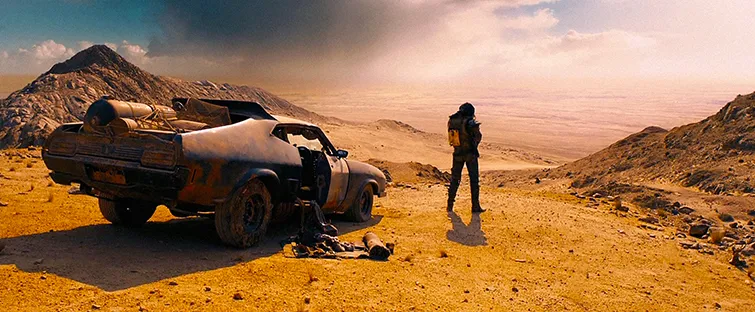
Iconic scenes are often visually striking. Directors use composition, camera angles, lighting, and movement to guide the viewer’s attention and enhance emotional impact.
A wide shot can convey isolation or grandeur. A close-up can reveal vulnerability or intensity. Lighting can suggest hope, danger, or nostalgia.
When visuals and story align perfectly, the image becomes instantly recognizable — even without sound.
The Role of Music and Sound Design
Music has the ability to amplify emotion in ways dialogue cannot. A powerful score can elevate a scene from memorable to legendary.
Iconic scenes often feature:
- Music that reinforces emotion without overpowering it
- Themes associated with specific characters or ideas
- Strategic use of silence to heighten tension
Sound design also matters. Subtle background noises or sudden silence can draw attention to key moments and deepen immersion.
Simplicity and Clarity of the Moment
Some of the most unforgettable scenes are surprisingly simple. They focus on a single action, expression, or decision.
By removing unnecessary distractions, filmmakers allow audiences to fully absorb the moment. Simplicity makes scenes easier to remember and emotionally process.
A clear visual and emotional message ensures the scene is instantly understandable — even years later.
High Stakes and Consequences
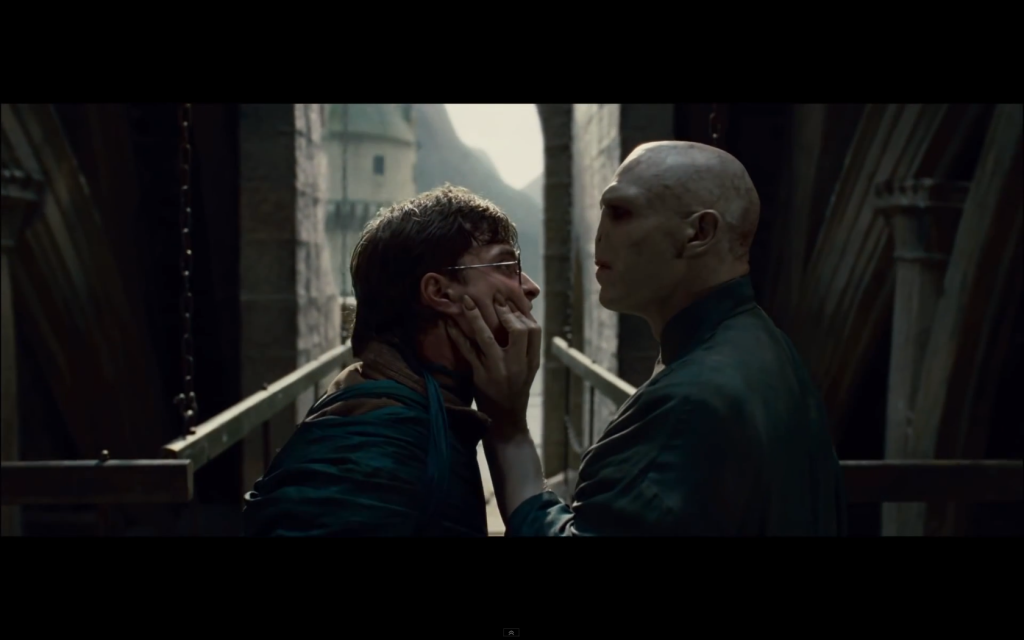
Iconic scenes often occur when something important is on the line. The outcome of the moment must matter to the characters and the story.
High stakes create tension and anticipation. The audience understands that what happens next will change everything.
Whether it is a final confrontation, a personal revelation, or a defining choice, scenes with real consequences stay with viewers because they represent turning points.
Authentic Performances That Feel Real
No amount of technical brilliance can replace a genuine performance. Iconic scenes rely on actors who fully inhabit their roles.
Subtle expressions, controlled body language, and emotional honesty create believable moments. Audiences can sense when a performance feels real rather than rehearsed.
When actors convey complex emotions without exaggeration, the scene gains authenticity and depth.
Cultural and Historical Context
Some scenes become iconic because they reflect the cultural moment in which they were released. They capture shared anxieties, hopes, or social changes.
As time passes, these scenes take on new meaning, representing an era or generation. Their relevance extends beyond the story itself.
Cultural resonance helps scenes remain relevant and frequently revisited.
Innovation and Breaking Expectations
Scenes that challenge expectations often stand out. This could involve:
- Unexpected narrative choices
- Unconventional camera work
- Bold editing decisions
- Subversion of familiar tropes
When filmmakers take creative risks and succeed, the result feels fresh and memorable.
Audiences remember scenes that surprise them while still feeling emotionally truthful.
Symbolism and Visual Metaphor
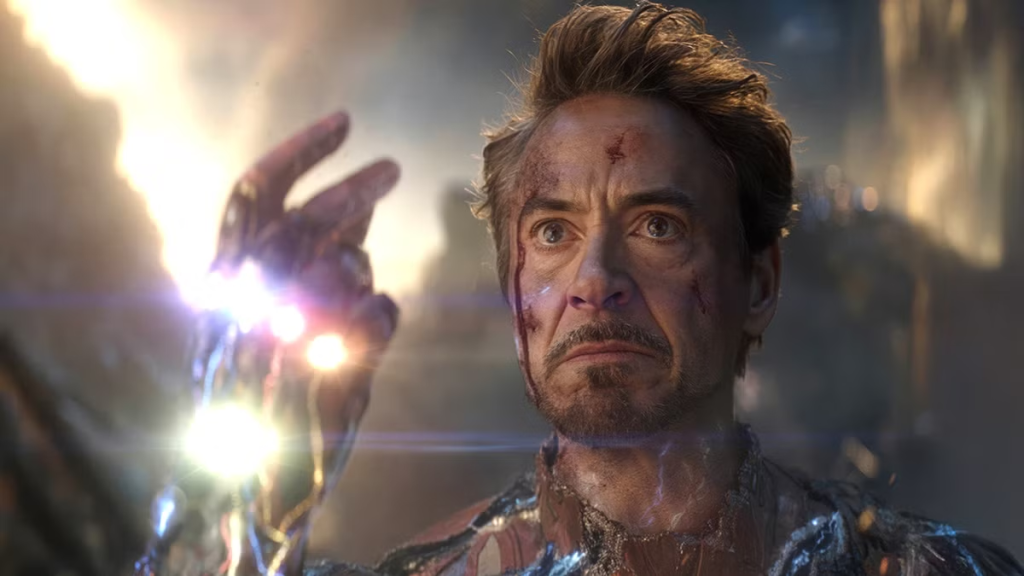
Iconic scenes often carry symbolic meaning. Objects, gestures, or settings may represent larger themes such as freedom, loss, hope, or identity.
Symbolism adds layers to a scene, inviting interpretation and discussion. Viewers may notice new details upon rewatching, strengthening the scene’s longevity.
Meaningful symbolism turns moments into lasting works of art.
Universal Themes That Transcend Time
Scenes become unforgettable when they address universal human experiences. Love, fear, sacrifice, ambition, regret, and redemption resonate across cultures and generations.
When audiences recognize their own emotions and struggles within a scene, it remains relevant long after trends fade.
Timeless themes ensure that scenes continue to connect with new viewers.
The Element of Surprise and First Impact
First impressions matter. Scenes that deliver a strong initial impact often become iconic because audiences remember how they felt the first time they experienced them.
Unexpected twists, emotional revelations, or striking imagery can create moments of shock or awe.
That initial emotional jolt becomes part of the memory associated with the scene.
Pacing and Editing Precision
Editing plays a crucial role in shaping unforgettable scenes. Proper pacing ensures the moment unfolds at the right speed.
Too fast, and the emotion feels rushed. Too slow, and tension may fade.
Precise editing controls rhythm, emphasizing important beats and allowing emotional moments to breathe.
Audience Identification and Empathy
Scenes become iconic when audiences see themselves reflected in the story. Identification creates empathy, which deepens emotional impact.
Even in fantastical or exaggerated settings, relatable emotional truth allows viewers to connect.
Empathy transforms fictional moments into personal experiences.
Rewatchability and Longevity
Truly unforgettable scenes remain compelling after multiple viewings. Each rewatch may reveal new details or deepen understanding.
Scenes that reward repeat viewing often become cultural staples, referenced and revisited over time.
Longevity is a defining trait of iconic cinema.
Marketing and Cultural Reinforcement
Sometimes, scenes become iconic through repetition in trailers, posters, and media references. Marketing can amplify a moment’s visibility, reinforcing its place in popular culture.
However, marketing alone cannot create lasting impact without genuine substance behind the scene.
True memorability comes from the film itself.
Why Some Scenes Endure While Others Fade
Not every dramatic moment becomes iconic. Scenes fade when they lack emotional depth, narrative purpose, or authenticity.
Unforgettable scenes endure because they combine technical excellence with genuine human connection.
They feel honest, purposeful, and emotionally complete.
The Viewer’s Personal Experience

Personal context matters. A scene may become unforgettable because of when and where it was experienced.
Memories, relationships, and life events can attach personal meaning to a scene, strengthening its emotional hold.
This personal connection ensures that iconic moments remain deeply ingrained.
Final Thoughts
Iconic movie scenes are unforgettable because they combine storytelling, performance, emotion, and craft into a single powerful moment. They resonate on both a personal and cultural level, reflecting universal human experiences while capturing a specific point in time.
These scenes do more than entertain — they shape how we remember films and how films become part of our lives.
When a scene connects emotionally, visually, and thematically, it transcends the screen and becomes timeless.


