
Why a Few Seconds in a Small Box Can Create Big Comedy
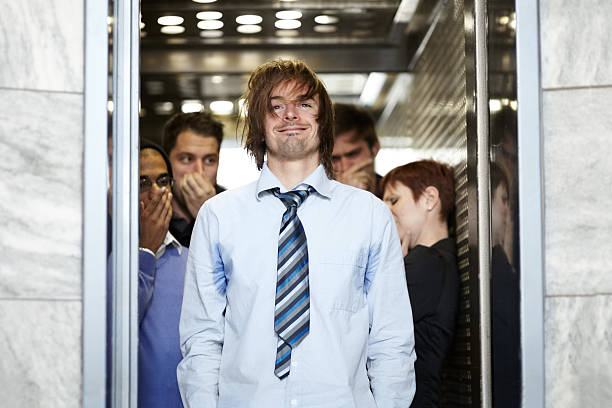
Elevator rides are among the most ordinary experiences of modern life. They are brief, repetitive, and usually uneventful. Yet, despite their simplicity, elevators frequently become the setting for moments that are awkward, surprising, and genuinely funny.
From accidental eye contact to unexpected conversations and perfectly timed mishaps, elevator rides often produce humor precisely because nothing is supposed to happen. This article explores why elevators so often turn into comedic stages and why these moments resonate with almost everyone.
The Unique Social Environment of Elevators
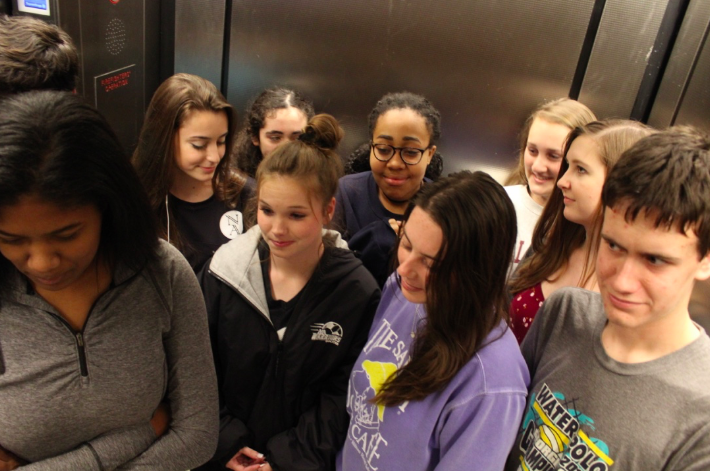
Elevators place strangers in extremely close proximity with no opportunity to escape. Unlike public transport or waiting rooms, there is no gradual entry or exit. Doors close, movement stops, and everyone is suddenly sharing the same space.
This forced togetherness creates immediate social tension. People become highly aware of themselves and others, which heightens the chance of awkward or humorous situations.
Silence That Feels Uncomfortable
Silence in an elevator is not just silence. It is a shared, highly noticeable quiet where every sound feels amplified.
A cough, a phone vibration, or the sound of keys shifting in a pocket can feel absurdly loud. When no one knows whether to speak or remain quiet, the discomfort itself becomes humorous.
Unclear Social Rules
Elevators have no universally agreed social code. People often wonder:
- Should I greet others?
- Where should I look?
- Is small talk acceptable?
- Should I face the door or turn slightly?
When these unwritten rules clash, comedy emerges. Someone saying “Have a nice day” two floors too early or attempting small talk when silence was expected often leads to shared embarrassment and laughter.
Accidental Eye Contact and Immediate Regret

Eye contact in an elevator feels more intense than almost anywhere else. A brief glance can feel awkward, leading both people to immediately look away, pretend to check their phones, or suddenly become interested in the floor numbers.
This exaggerated reaction to something completely normal often makes the situation funny afterward, even if it feels uncomfortable in the moment.
Technology Mishaps
Technology has added new layers of elevator humor. Common moments include:
- Repeatedly pressing the wrong button
- Holding the door too long
- A phone ringing loudly during silence
- Accidentally playing audio or video out loud
These small technological slip-ups feel magnified in an enclosed space, turning minor mistakes into memorable moments.
The Comedy of Close Proximity
Elevators remove personal space entirely. People must stand inches apart without interacting. This contradiction creates subtle comedy.
Everyone pretends not to notice:
- Heavy breathing
- Strong perfume or cologne
- Someone shifting weight repeatedly
The shared awareness combined with collective denial produces humor rooted in human behavior.
Unexpected Conversations
Sometimes, someone breaks the silence with an unexpected comment. A remark about the weather, a joke about the slow elevator, or a random observation can catch everyone off guard.
When it works, the entire elevator relaxes. When it doesn’t, the awkwardness becomes even more memorable — and often funnier in hindsight.
Timing Makes Everything Funnier
Elevators operate on short timelines. A ride may last only seconds, but delays can stretch moments uncomfortably long.
When an elevator stops unexpectedly or takes longer than usual, the tension increases. People glance at each other, laugh nervously, or make jokes to ease the moment. The longer the pause, the more absurd it feels.
Physical Comedy Without Intention
Many elevator laughs come from unintentional physical comedy:
- Losing balance when the elevator stops suddenly
- Stepping forward before the doors open
- Reaching for the wrong floor button
These movements are harmless but feel exaggerated in a small space, making them instantly amusing.
Social Performance Without an Audience
In elevators, people become hyper-aware of how they appear. Posture stiffens. Expressions become neutral. Movements slow down.
This exaggerated self-control often backfires, making natural behaviors feel unnatural. The result is a kind of silent performance where everyone tries to act normal — and that effort itself becomes funny.
Why Elevator Humor Is So Relatable
Nearly everyone has experienced awkward elevator moments. These experiences cut across age, culture, and background.
Because elevator rides are universal, stories about them resonate instantly. People recognize the situation immediately, making the humor accessible and shared.
Elevators as Comedy Settings in Media
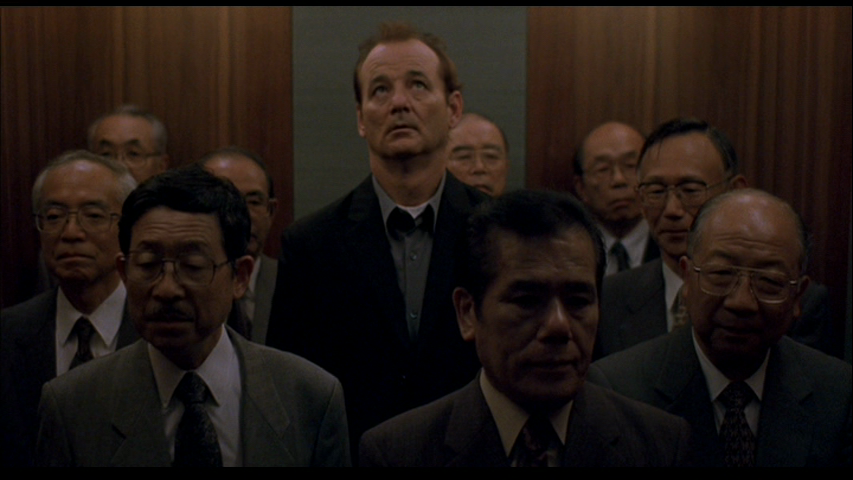
Elevators frequently appear in television, movies, and viral videos because they naturally amplify social tension.
Writers and creators use elevators to:
- Force characters together
- Heighten awkwardness
- Create quick, contained comedic scenes
Real life often mirrors this scripted humor, reinforcing why elevator moments feel so funny.
The Role of Expectation
People expect elevator rides to be boring and uneventful. When something slightly unexpected happens, it feels disproportionately entertaining.
This contrast between expectation and reality is a classic foundation of comedy. Elevators provide it effortlessly.
Shared Discomfort Creates Connection
When something awkward happens in an elevator, everyone experiences it together. This shared discomfort often transforms into shared amusement.
Even brief smiles or laughter as the doors open create a momentary human connection that makes the experience memorable.
Why We Remember Elevator Moments

Elevator moments stand out because they are:
- Short
- Intense
- Unplanned
- Socially charged
These qualities make them easy to remember and fun to retell, even when nothing objectively dramatic occurred.
Elevators Reveal Human Nature
Elevators expose how people behave when social rules are unclear. They reveal:
- Our discomfort with silence
- Our desire to avoid awkwardness
- Our instinct to laugh when tension breaks
These small insights into human behavior make elevator moments quietly fascinating.
Final Thoughts
Elevator rides are unexpectedly hilarious because they compress human interaction into a confined space with no script. Silence becomes loud, small mistakes feel big, and social norms blur.
In just a few seconds, elevators reveal how people cope with awkwardness, proximity, and uncertainty — often through humor. That is why even the most ordinary elevator ride can become a moment worth laughing about long after the doors open.


