
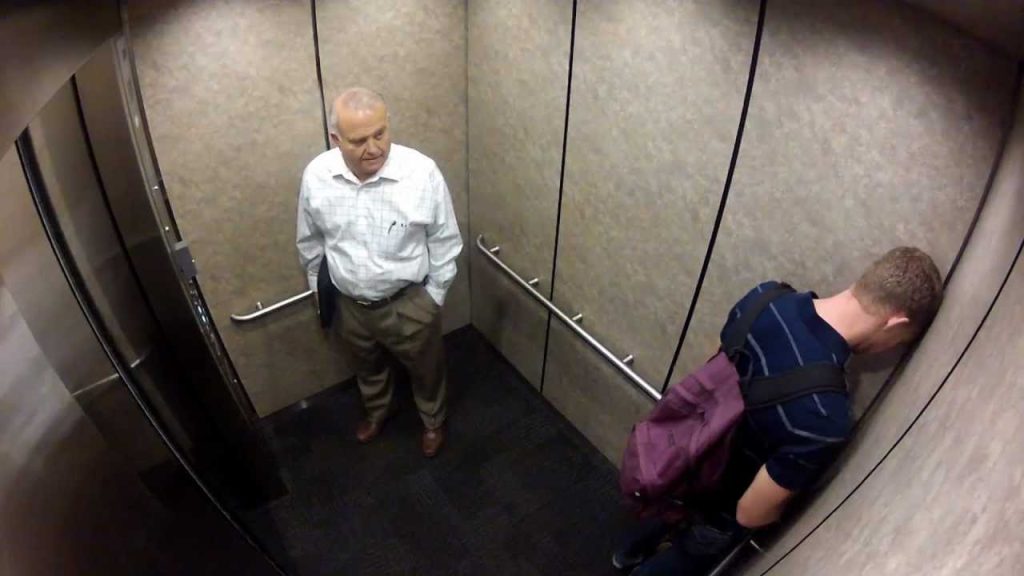
A Small Space With Big Social Tension

Elevators are one of the few places where strangers are forced into close proximity with no clear social script. For a brief moment, personal space disappears, eye contact feels risky, and silence becomes loud.
That combination makes elevators a perfect setting for humor — and awkwardness.
Forced Togetherness Without Context
Unlike buses or waiting rooms, elevators offer no gradual interaction. Doors close, movement stops, and everyone is suddenly stuck together with no shared purpose beyond reaching a floor.
This lack of context creates tension. People don’t know whether to speak, smile, or stay silent — and humor often emerges from that uncertainty.
Silence That Feels Louder Than Noise
Elevator silence isn’t neutral. It feels intentional.
Every sound becomes noticeable: a cough, a phone vibration, a nervous laugh. When silence stretches just a bit too long, it becomes uncomfortable — and discomfort is a classic source of comedy.
Nowhere to Escape
In elevators, there’s no easy exit. You can’t step away, change seats, or redirect attention.
This lack of escape heightens awareness. Even small actions feel exaggerated, which is why accidental eye contact, awkward turns, or sudden noises feel so memorable — and funny in hindsight.
Unclear Social Rules

Do you greet people? Face the door? Comment on the weather? Press someone else’s button?
Elevators lack universally agreed rules. That ambiguity creates moments where people misjudge the situation — speaking when silence is expected, or staying silent when a comment might ease tension.
These mismatches are prime comedy material.
Shared Awareness Without Interaction
Everyone in an elevator is acutely aware of everyone else — yet actively pretending they aren’t.
That contradiction creates subtle humor. People notice everything while acting as if nothing is happening, producing moments that feel absurdly human.
Timing Amplifies Awkwardness
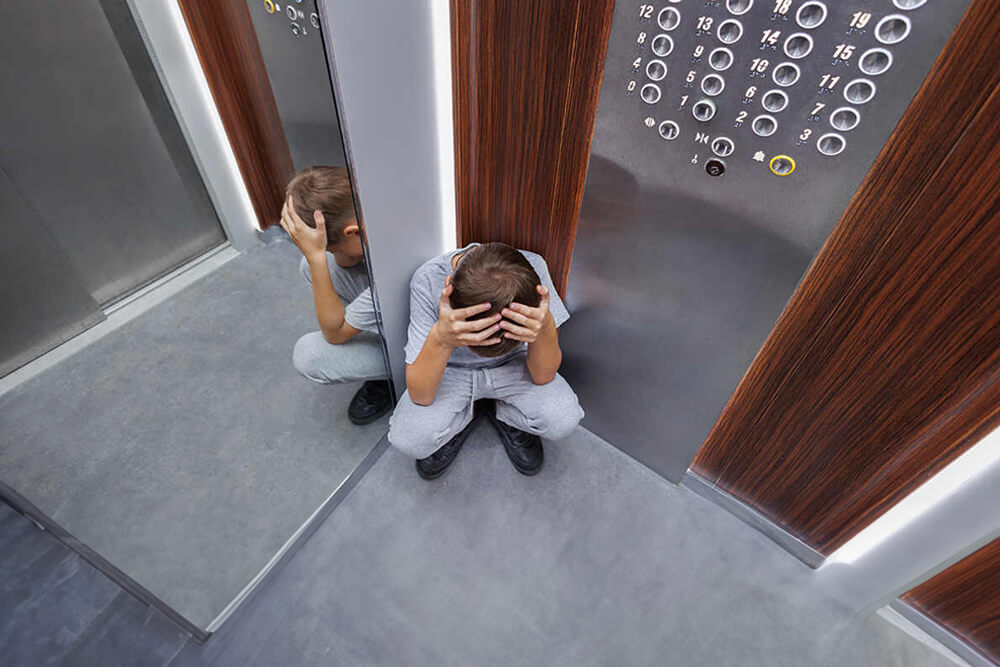
Elevators operate on short, unpredictable timelines. A ride may last seconds or minutes longer than expected.
When delays occur, awkwardness compounds. Small talk suddenly feels necessary — or painfully forced — turning everyday situations into social theater.
Why Humor Thrives in Elevators
Humor often comes from:
- Social discomfort
- Unexpected closeness
- Violated expectations
Elevators combine all three.
They strip away distractions and amplify social awareness, making even mundane interactions feel comedic. That’s why elevators are a common setting in movies, TV shows, and viral videos.
A Universal Experience
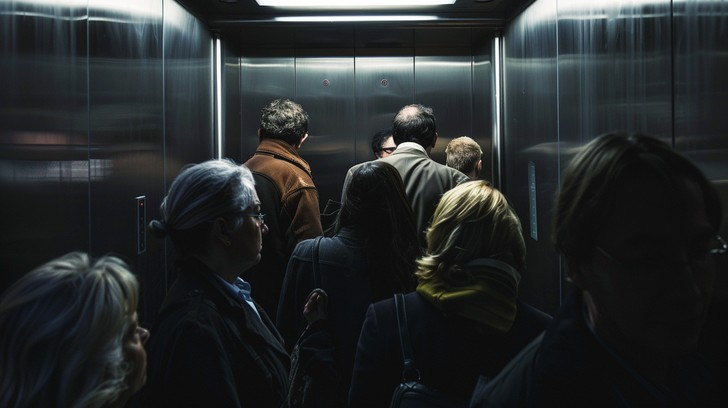
Nearly everyone has experienced elevator awkwardness. It transcends age, culture, and background.
Because it’s universal, it’s relatable. People recognize themselves in these moments, which makes elevator humor instantly connect with audiences.
Why These Moments Stick With Us
Elevator awkwardness stands out because it’s brief, intense, and unscripted.
It reveals how humans behave when social rules are unclear — and how humor often becomes a coping mechanism for shared discomfort.
Final Thoughts
Elevators turn everyday people into accidental performers.
In a confined space with no escape, silence grows louder, awareness sharpens, and minor moments become memorable. That’s why elevators continue to be a stage for humor and awkwardness — not because anything dramatic happens, but because nothing does, and everyone feels it.


