
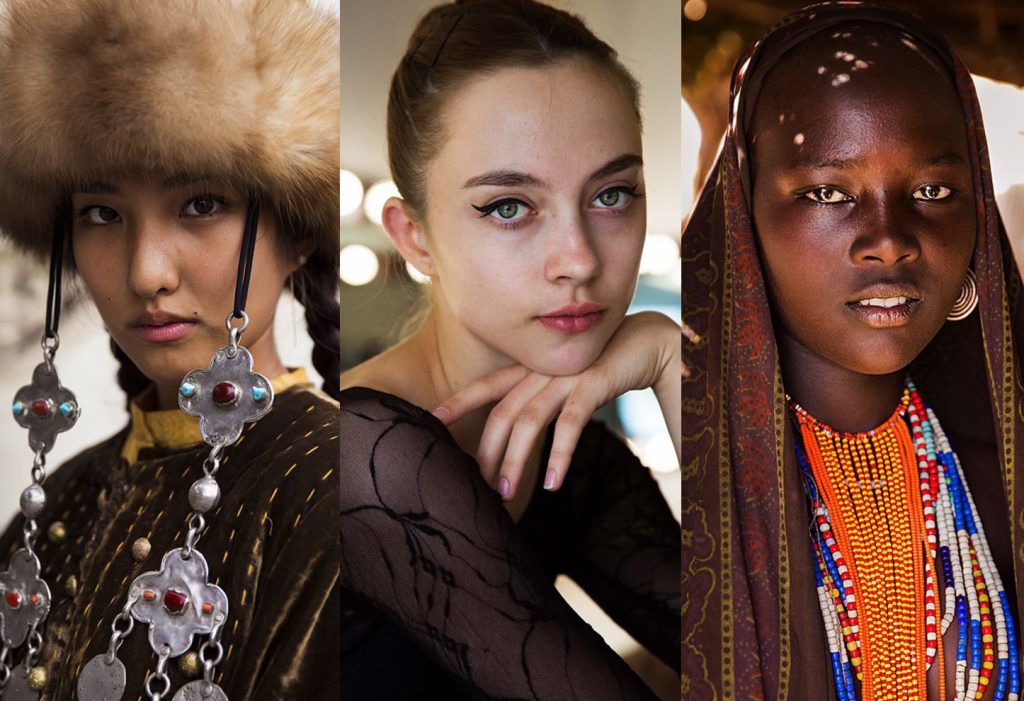
Why Beauty Standards Matter More Than We Realize
Beauty standards shape far more than personal appearance. They influence how people see themselves, how societies define success, and how cultures express identity. From fashion and media to social behavior and economic opportunity, ideas of beauty quietly guide norms and expectations around the world.
While beauty standards vary widely across regions and eras, their impact is universal. They affect confidence, social status, cultural traditions, and even policy decisions. Understanding how beauty standards influence cultures worldwide reveals not only differences between societies, but also the shared human desire for acceptance and belonging.
What Are Beauty Standards
Beauty standards are socially constructed ideas about what is considered attractive or desirable within a given culture. These standards are shaped by:
- History and tradition
- Media and advertising
- Social values
- Economic forces
- Global influence
They are not fixed. Beauty ideals evolve over time, often reflecting broader cultural shifts such as modernization, globalization, or social movements.
Cultural Roots of Beauty Ideals
Every culture develops beauty standards rooted in its own history and environment.
In many societies, beauty has traditionally reflected:
- Health and fertility
- Social class or wealth
- Moral values
- Spiritual beliefs
For example, fuller body types have historically symbolized prosperity in some cultures, while others have emphasized slenderness or physical endurance based on survival needs.
These roots explain why beauty standards differ so dramatically across regions.
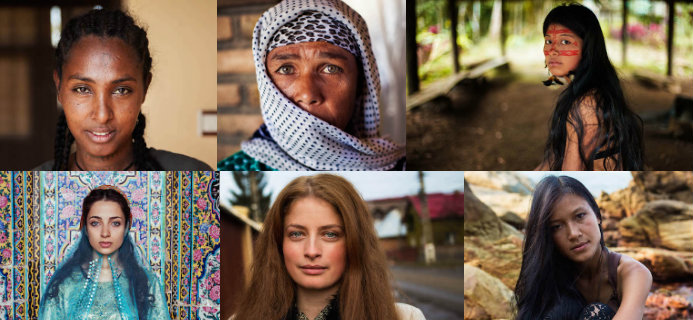
Beauty Standards and Identity Formation
Beauty ideals play a key role in shaping individual and collective identity.
From a young age, people learn what their culture values by observing:
- Family expectations
- Media representation
- Peer behavior
- Public role models
Meeting beauty standards often brings social validation, while deviation can lead to exclusion or criticism. As a result, beauty becomes deeply tied to self-worth and cultural belonging.
This connection explains why beauty norms are so powerful — they influence how people see themselves and others.
The Role of Media in Shaping Beauty Worldwide
Modern media has dramatically accelerated the spread of beauty standards across borders.
Television, film, fashion magazines, and social media platforms export visual ideals at unprecedented speed. As a result:
- Western beauty ideals have gained global reach
- Celebrity culture shapes trends worldwide
- Digital platforms amplify narrow definitions of beauty
While media exposure can introduce diversity, it often promotes homogenized ideals that overshadow local traditions.
Globalization and the Blending of Beauty Ideals
Globalization has blurred cultural boundaries, creating hybrid beauty standards.
In many regions, local ideals now coexist with global influences:
- Traditional clothing paired with modern aesthetics
- Cultural beauty rituals adapted to global trends
- Cosmetic practices influenced by international celebrities
This blending can empower self-expression, but it can also create tension between preserving cultural identity and conforming to global norms.
Beauty Standards and Gender Expectations
Beauty standards affect all genders, but the pressure is often unequal.
In many cultures:
- Women face stricter beauty expectations
- Appearance is closely tied to perceived value
- Aging is treated differently for men and women
These pressures influence:
- Career opportunities
- Social mobility
- Relationship dynamics
However, shifting conversations around gender equality and body autonomy are challenging traditional norms in many societies.
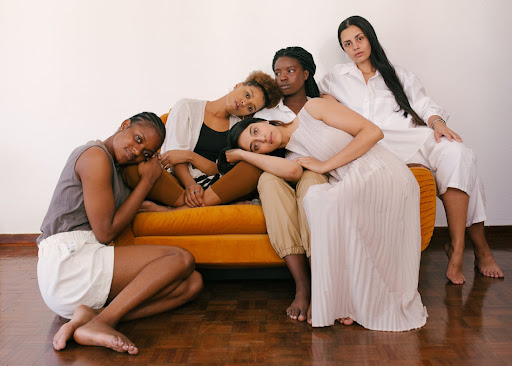
Economic Impact of Beauty Standards
Beauty standards drive massive global industries.
Sectors influenced include:
- Fashion
- Cosmetics
- Skincare
- Fitness
- Aesthetic procedures
In some cultures, conforming to beauty norms is seen as an investment that improves:
- Job prospects
- Marriage opportunities
- Social acceptance
This economic dimension reinforces beauty standards by tying appearance to financial and social success.
Beauty, Colorism, and Social Hierarchies
In many regions, beauty standards intersect with deeper social hierarchies.
Colorism — the preference for lighter or darker skin tones — exists in various forms worldwide. These preferences often stem from:
- Colonial history
- Class distinctions
- Media representation
Such standards can perpetuate inequality by associating certain physical traits with higher social value, influencing education, employment, and representation.
Cultural Rituals and Beauty Practices
Beauty standards are often embedded in cultural rituals and daily practices.
Examples include:
- Traditional skincare or hair rituals
- Ceremonial dress and adornment
- Coming-of-age beauty practices
- Symbolic body modifications
These rituals serve as cultural expressions rather than purely aesthetic choices. They reinforce community values and connect individuals to heritage.
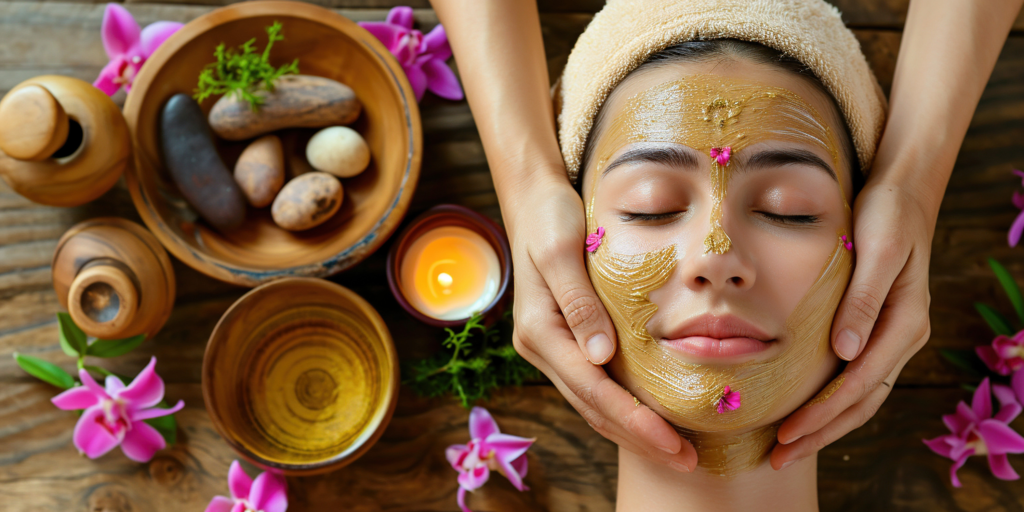
The Psychological Impact of Beauty Standards
The influence of beauty standards extends deeply into mental and emotional well-being.
Constant exposure to idealized images can lead to:
- Low self-esteem
- Body dissatisfaction
- Anxiety and depression
- Disordered eating behaviors
This impact is particularly strong among younger generations raised in digital environments where comparison is constant and unavoidable.
Recognizing these effects has sparked global conversations around mental health and representation.
Social Media and the Redefinition of Beauty
Social media has both reinforced and challenged beauty norms.
On one hand, filters and algorithms can promote unrealistic ideals. On the other, social platforms have enabled:
- Body positivity movements
- Representation of diverse beauty
- Cultural storytelling
- Individual self-expression
Influencers and creators from different backgrounds are redefining beauty by sharing authentic narratives that challenge traditional standards.
Resistance and Cultural Reclamation
Across the world, people are pushing back against narrow beauty definitions.
Movements focused on:
- Body inclusivity
- Natural hair acceptance
- Aging positively
- Cultural pride
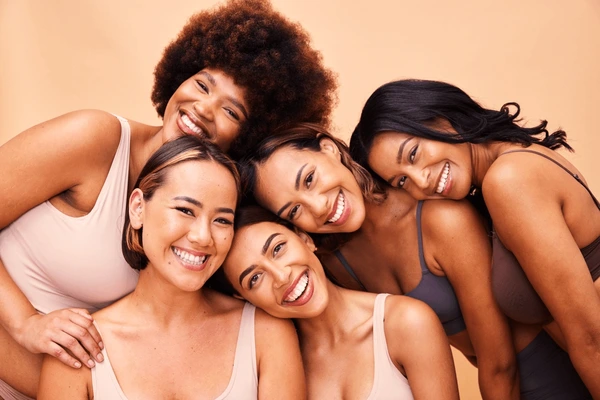
These efforts aim to reclaim beauty as diverse, personal, and culturally rooted rather than externally imposed.
This resistance reflects a broader cultural shift toward authenticity and self-acceptance.
Beauty Standards Across Generations
Beauty ideals often differ sharply between generations.
Older generations may value:
- Traditional presentation
- Modesty
- Cultural conformity
Younger generations tend to emphasize:
- Individuality
- Self-expression
- Fluid identity
These generational differences influence fashion, grooming, and social behavior, reshaping cultural norms over time.
Why Beauty Standards Continue to Evolve
Beauty standards change because cultures evolve.
Factors driving change include:
- Social movements
- Technological innovation
- Global communication
- Shifting values around identity and equality
As societies become more interconnected, beauty ideals continue to adapt — sometimes blending, sometimes clashing, but always reflecting deeper cultural dynamics.
The Role of Education and Awareness
Education plays a critical role in reducing the negative impact of beauty standards.
Cultural awareness helps people:
- Understand the origins of beauty norms
- Recognize harmful comparisons
- Appreciate diversity
- Build resilience against unrealistic expectations
When societies encourage critical thinking around beauty, individuals gain greater freedom to define attractiveness on their own terms.
Final Thoughts
Beauty standards influence cultures worldwide by shaping identity, behavior, economics, and social structures. While these standards differ across regions, their power is universal.
As globalization and digital media continue to connect societies, beauty ideals are being questioned, challenged, and redefined. The growing emphasis on diversity, inclusion, and authenticity signals a cultural shift toward broader and more humane definitions of beauty.
Understanding how beauty standards operate helps individuals navigate them with awareness rather than pressure — and allows cultures to evolve without losing their unique identity.


