

Why Full-Mouth Dental Implants Are Gaining Attention
Tooth loss affects far more than appearance. It impacts chewing, speech, nutrition, facial structure, and confidence. For people missing most or all of their teeth, traditional solutions like dentures often fall short — slipping, discomfort, and long-term bone loss remain common problems.
Full-mouth dental implants offer a modern, permanent alternative. Rather than replacing teeth individually, this approach restores an entire arch using a fixed implant-supported system designed to function and feel like natural teeth.
As awareness grows, more patients are asking the same question: what do full-mouth dental implants actually involve, and who are they really for?
This guide explains the procedure, benefits, candidacy, and expectations clearly and realistically.
What Are Full-Mouth Dental Implants
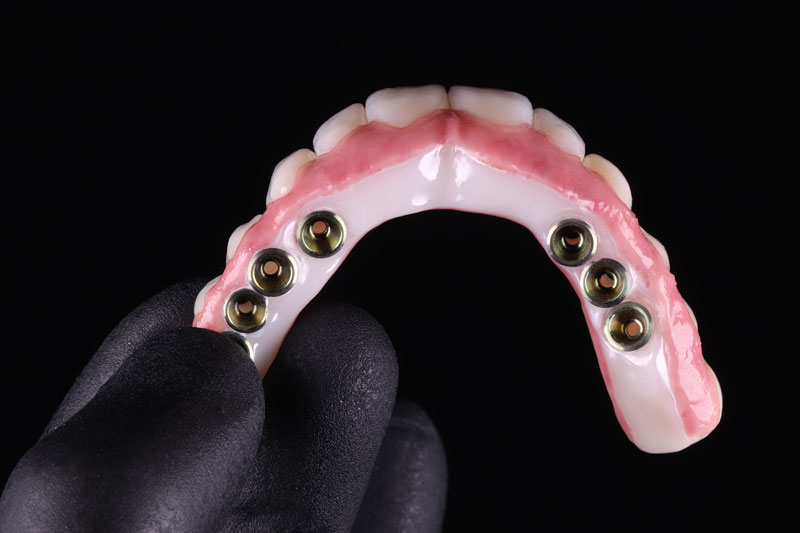
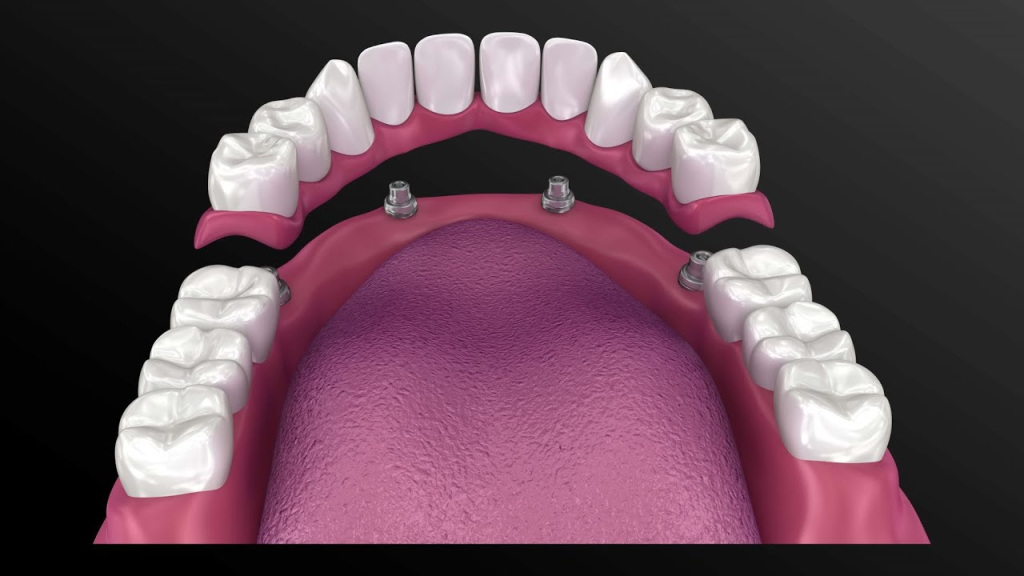
Full-mouth dental implants replace all missing teeth in the upper jaw, lower jaw, or both using a small number of strategically placed implants that support a full set of prosthetic teeth.
Instead of one implant per tooth, dentists typically use:
- 4 to 6 implants per arch
- A fixed bridge or prosthetic attached to those implants
This approach restores function while minimizing surgery and recovery time.
Common terms you may hear include:
- Full-arch implants
- All-on-4 or All-on-6
- Implant-supported dentures
While names vary, the goal is the same: permanent, stable teeth that do not rely on adhesives or removal.
How Full-Mouth Implants Differ From Dentures
Traditional dentures rest on the gums. Full-mouth implants anchor directly into the jawbone.
Key differences include:
- Stability: Implants don’t slip or move
- Bone preservation: Implants help prevent jawbone loss
- Comfort: No pressure points or sore spots
- Function: Strong biting and chewing ability
- Maintenance: Cleaned like natural teeth
For many patients, these differences dramatically improve quality of life.
The Full-Mouth Implant Process Step by Step
Understanding the process helps patients make informed decisions.
Step 1: Comprehensive Evaluation
The journey begins with:
- Oral examination
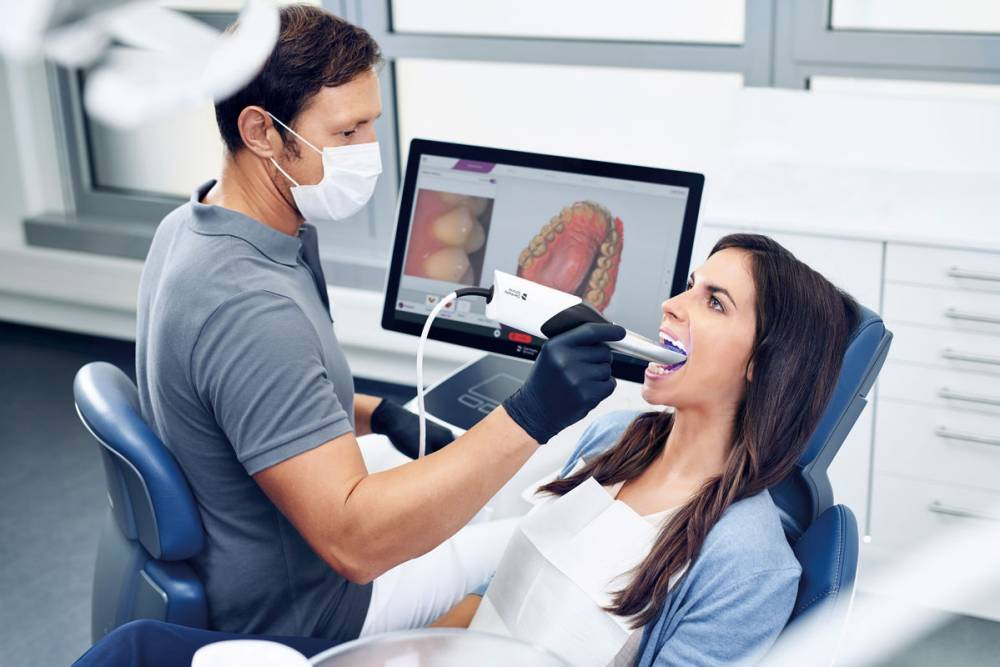
- Digital scans or 3D imaging
- Bone density assessment
- Medical history review
This planning phase determines implant placement, bone health, and overall suitability.
Step 2: Tooth Removal (If Needed)
If damaged or failing teeth remain, they are extracted before implant placement. In many cases, extractions and implant placement occur during the same appointment.
Step 3: Implant Placement Surgery
During surgery:
- Titanium implants are placed into the jawbone
- The procedure is performed under local anesthesia or sedation
- Most patients report manageable discomfort
Implants act as artificial tooth roots, integrating with bone through a process called osseointegration.
Step 4: Temporary Teeth Placement
In many modern protocols, patients receive a temporary fixed set of teeth the same day or shortly after surgery.
This allows:
- Immediate aesthetics
- Functional chewing
- Normal speech during healing
Step 5: Healing and Integration
Over several months, implants fuse with the jawbone. This creates a stable foundation for permanent teeth.
Step 6: Final Prosthetic Placement
Once healing is complete, the final custom prosthetic is attached. These teeth are designed for:
- Strength
- Natural appearance
- Proper bite alignment
The result is a fully restored smile.
Who Full-Mouth Dental Implants Are For
Full-mouth implants are designed for people with significant tooth loss or severe dental issues.
They may be suitable for individuals who:
- Are missing most or all teeth
- Struggle with loose or uncomfortable dentures
- Have failing teeth due to decay or gum disease
- Want a fixed, long-term solution
- Seek improved chewing and confidence
Age alone is not a limiting factor. Health and bone quality matter more than how old a patient is.
Bone Loss and Implant Eligibility
One common concern is bone loss.
Tooth loss leads to jawbone deterioration over time. Fortunately:
- Many patients still qualify for implants
- Modern techniques maximize existing bone
- Bone grafting may be used if needed
All-on-4 style systems are specifically designed to work even with reduced bone density by placing implants at strategic angles.
Health Considerations for Candidates
Most healthy adults are candidates, but dentists evaluate several factors:
- Overall health
- Smoking habits
- Uncontrolled diabetes
- Gum disease
- Bone quality
Certain conditions don’t automatically disqualify patients but may require additional planning.
A thorough consultation determines readiness.
Benefits Beyond Appearance
Full-mouth dental implants provide benefits that extend far beyond a new smile.
Improved Chewing and Nutrition
Implants restore strong bite force, allowing patients to eat:
- Fruits and vegetables
- Proteins
- Crunchy or fibrous foods
This supports better overall health.
Speech and Confidence
Loose dentures can affect speech. Implant-supported teeth remain stable, improving clarity and confidence in social settings.
Facial Structure Support
Implants stimulate the jawbone, helping:
- Prevent facial sagging
- Maintain natural facial contours
- Reduce prematurely aged appearance

Longevity and Durability
With proper care, full-mouth dental implants can last decades.
Key factors include:
- Good oral hygiene
- Regular dental checkups
- Avoiding excessive grinding
- Healthy lifestyle habits
Unlike dentures, implants don’t need frequent replacement or relining.
Maintenance and Daily Care
Caring for full-mouth implants is straightforward:
- Brush twice daily
- Use floss or water flossers
- Attend routine dental visits
They don’t require removal, soaking, or adhesives.
Cost Considerations and Value
Full-mouth dental implants are a significant investment. Costs vary based on:
- Number of implants
- Materials used
- Geographic location
- Additional procedures (extractions, grafting)
While upfront costs are higher than dentures, implants often provide better long-term value due to durability, comfort, and reduced maintenance.
Many practices offer:
- Financing options
- Payment plans
- Phased treatment approaches
Common Concerns and Misconceptions
Concern: The procedure is too painful
Modern techniques and sedation options make discomfort manageable for most patients.
Concern: Implants look unnatural
Custom prosthetics are designed to match natural teeth in shape and color.
Concern: Recovery takes too long
Many patients return to daily activities within days, not weeks.
Understanding reality versus myth helps patients feel confident.
Why Full-Mouth Implants Are Considered Life-Changing
Patients frequently report improvements in:
- Self-esteem
- Social comfort
- Diet and digestion
- Overall quality of life
Unlike temporary fixes, full-mouth implants offer permanence — both physically and emotionally.
Are Full-Mouth Dental Implants Right for You
They may be the right solution if you:
- Want a permanent alternative to dentures
- Desire strong, stable teeth
- Are seeking long-term oral health benefits
- Are ready to invest in lasting results
A professional evaluation is the only way to know for sure.
Final Thoughts
Full-mouth dental implants represent one of the most advanced solutions for severe tooth loss. They restore function, confidence, and comfort in ways traditional options cannot.
By understanding what the process involves and who it’s designed for, patients can make informed decisions about their oral health and future quality of life.
For many, full-mouth dental implants aren’t just a dental procedure — they’re a complete transformation.